PREMJISH ACHARI
CURATOR & ART CRITIC
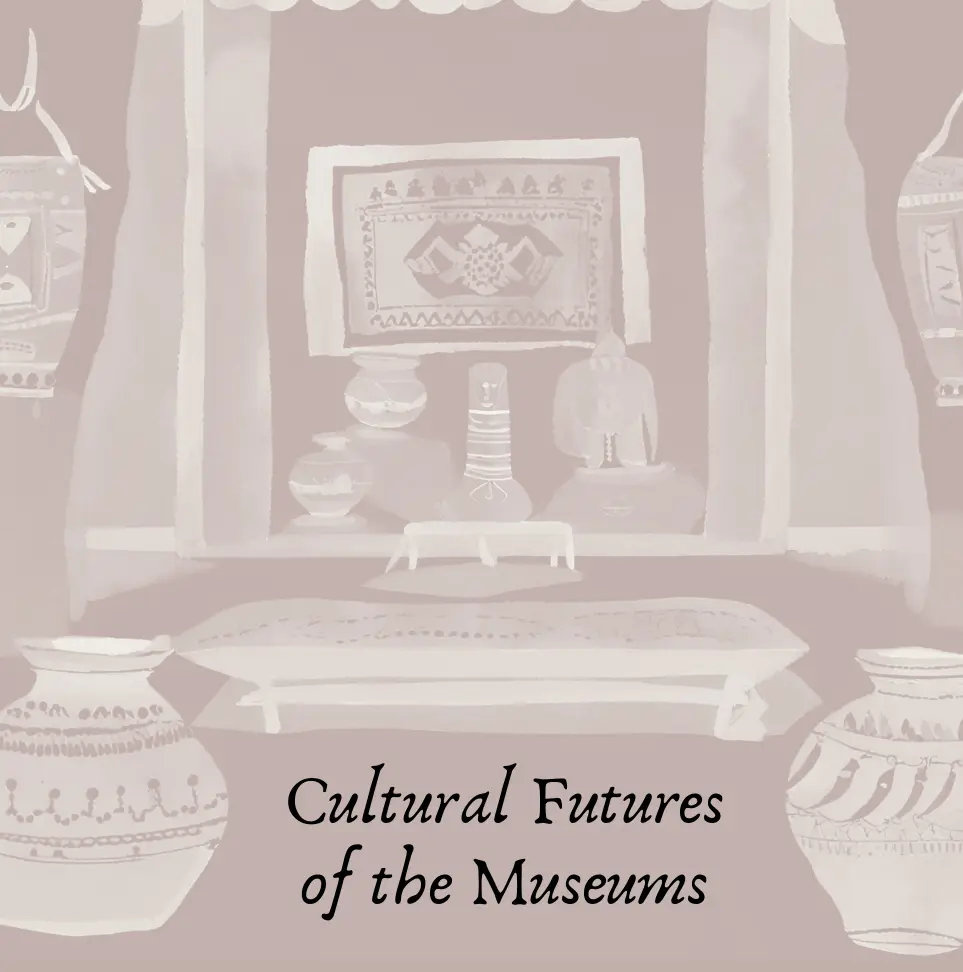
To write the future of an institution, the museum, that has majorly dealt with the past is ironic. Yet, the past is resurfacing through the cracks. Creating more fissures and ruptures, it breaks through the hardest of barricades, to activate the dormant civilizational maladies. The history of museums in this country, especially the ones commissioned by the state partakes in the governmental narrative making. Therefore, like anywhere else, in India too, museums are fossilized centers of heritage and culture. Futurists wanted to demolish museums and libraries. Burn them and preserve the ashes in a bottle as a display. Interestingly, history in museums serves such a passive function even now. The heterogeneity and polyphony of our history are marginalized via the dominant political rhetorics that are built each day. Hence, museums have to activate histories and various temporalities including the contemporary, to reclaim an inclusive cultural history.
The history of the origin of museums is closely tied together with the advent of European colonialism and nationalism. Each national museum became the cultural edifice housing the artifacts of a glorious past related to the classical Greek civilization. Also, they housed artifacts from non- European civilizations to create a comparative framework to conceptualize the categories of inferior and superior civilizations. In the case of museums of modern art, the task was easy to acquire art practices that broke free from the traditional conventions. A convenient framework emerged to house artworks that emerged along with industrial modernity and aligned with the tenets of various modern “isms”. Nevertheless, it was not easy to develop museums for contemporary art and art practices that were symptomatic of contemporaneity. This was because contemporary as a theoretical and temporal condition were both in flux across each cultural hub. The nature of the contemporary has not been a mutually agreed upon condition across countries. Despite this, there is an increased engagement and interaction between the centers and players of contemporary art.
It is easy to predict the technological life of future museums. They will be built on the foundations of advanced technological developments including rapid changes in the fields of AI, VR and AR. The museums of the future will be immersive, interactive and inclusive. But what will be its cultural vision? Will it be inclusive, and representative of the cultural practices that were marginalized for centuries? Even though the political domain has become more inclusive due to policies of reservation for the oppressed, it has not permeated the domain of culture.
The cultural domain is still influenced by the early 20th-century hegemonic ideas of culture, caste supremacy and nationalistic imagination. While the political and social domain has challenged these hegemonies, the field of culture has not been able to do it effectively. Thus, the future of museums will be greatly revolutionized by the inclusion of marginalized narratives and perspectives. Many museums already feature their artifacts, but what is missing is an empowered perspective that features the oppressed and marginalized as important players in the field of history and not only as victims.
The museums of the future will be the museums of heterogeneous perspectives. The task of the future curator is to assemble those perspectives and be the carer of marginalized thought.
View original pages, photographs & credits
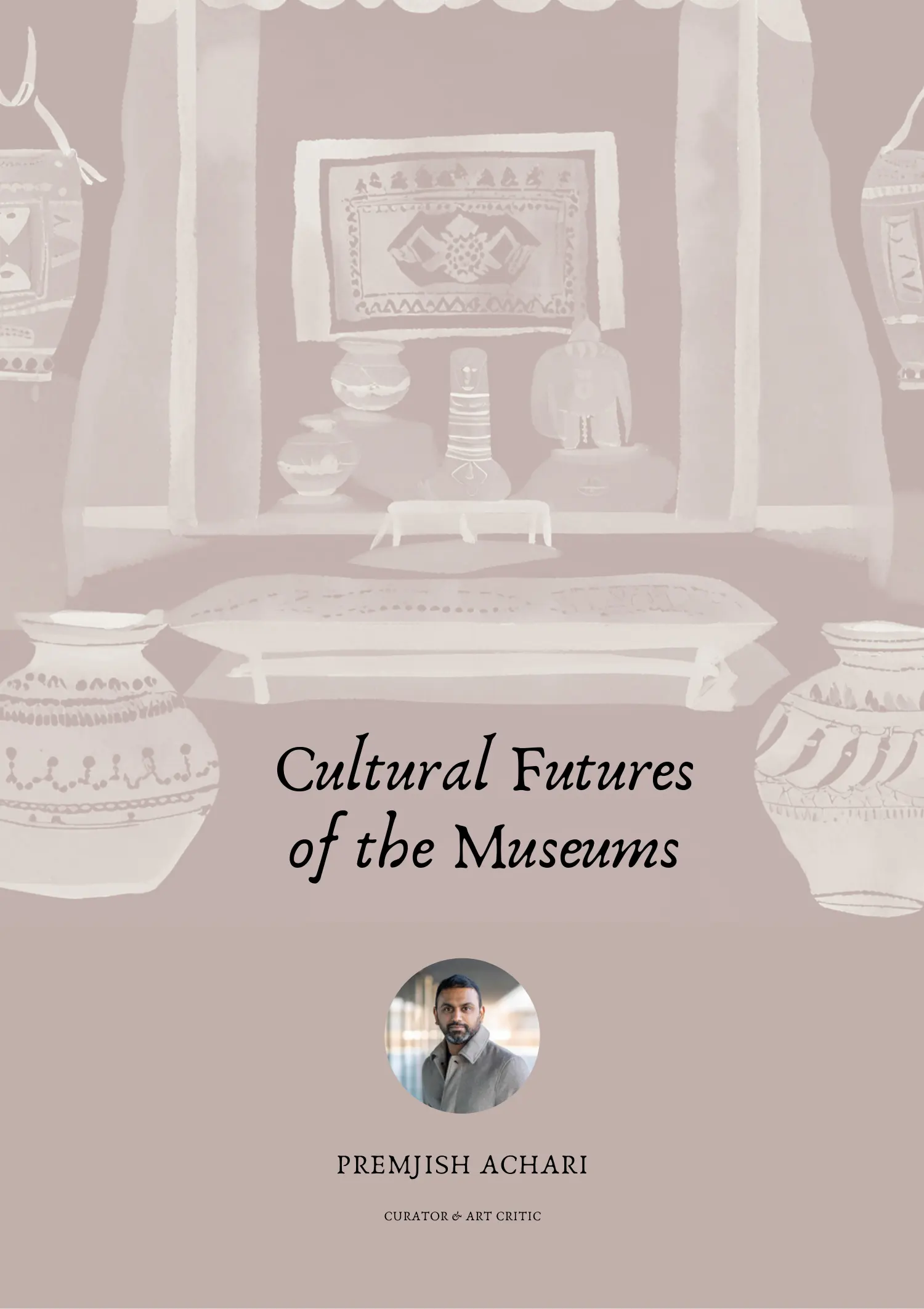
Originally published in Museum Mosaic 2023, published 2024.
Part of our annual review. Descriptions reflect the publication’s reporting period.