MEGHNA VYAS ARORA
CURATOR National Gallery Modern Art,
Delhi

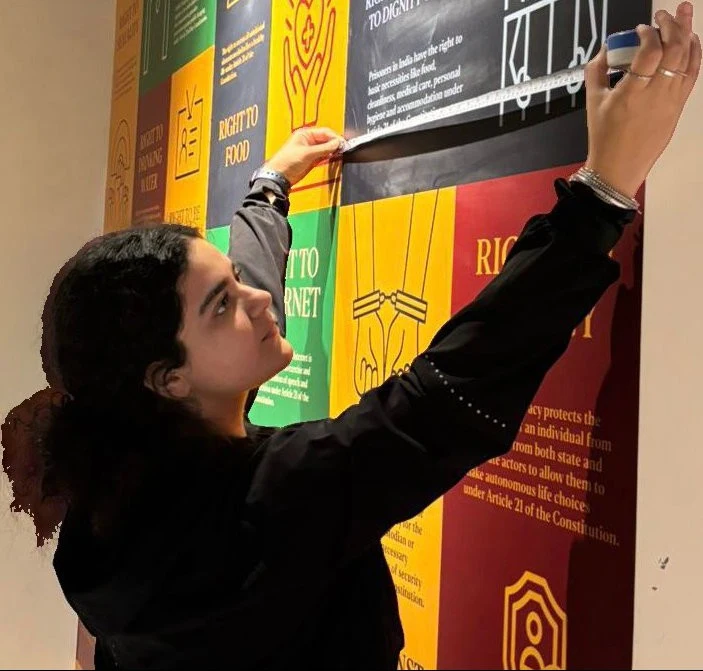
In the context of art and sustainability, the museum ecosystem plays a crucial role in promoting awareness, education, and action. Within this dynamic landscape of art and environmental consciousness, museums play a pivotal role in nurturing sustainability through their operational practices. This piece delves into the adoption of sustainable practices within museum operations, highlighting their significance in preserving cultural heritage while minimizing environmental impact. Recent years have withnessed a growing recognition of museums’ role in advancing sustainable practices and environmental stewardship. Museums contribute to a more sustainable future through various avenues, ranging from conserving cultural artifacts to advocating for policy changes. By engaging artists, visitors, and communities in sustainability dialogues through art, museums not only raise awareness but also inspire tangible change. They collaborate with stakeholders to promote sustainable practices. Through prioritising energy efficiency, waste reduction, and community engagement, museums align their operations with environmental responsibility while safeguarding culture and heritage. Conservation of cultural artifacts is one of the primary avenues through which museums contribute to sustainability. As custodians of culture and history, museums are entrusted with preserving artifacts and artworks. This involves prioritizing energy-efficient technologies, waste reduction strategies, and sustainable sourcing for exhibition materials. Additionally, museums serve as educational institutions, raising awareness about environmental issues through exhibitions, programs, and outreach efforts, inspiring visitors to adopt eco-friendly ways. Sustainable exhibition design practices in museums serve multiple purposes, including environmental, social, and economic considerations. These practices prioritise minimising the environmental footprint of exhibitions while ensuring that they remain engaging, educational, and accessible to diverse audiences. First and foremost, sustainable exhibition design reduces the environmental impact associated with the construction, operation, and dismantling of exhibitions. This includes considerations such as the use of eco-friendly materials, energy-efficient lighting, and renewable energy sources.
By opting for materials that are responsibly sourced, recyclable, or biodegradable, museums can significantly reduce their carbon footprint and minimize waste generation throughout the exhibition lifecycle. Furthermore, sustainable exhibition design promotes the conservation of natural resources and biodiversity by minimizing resource extraction and habitat destruction. By prioritizing the use of recycled materials and opting for locally sourced materials whenever possible, museums can reduce the environmental impact of transportation and support local economies, thereby fostering a deeper appreciation for the environment among visitors. Museums have the potential to drive innovation in sustainable practices by implementing cutting-edge technologies and collaborating with other institutions and organizations. They can also leverage their influence to advocate for policies supporting sustainability at all levels. Key aspects of sustainable practices include prioritising energy efficiency, utilising renewable energy sources, implementing recycling programs, and responsibly managing waste. Engaging with the local community fosters shared responsibility and collective action.Through exhibitions and programs, museums contribute to a cultural shift towards sustainability by showcasing environmentally themed artwork and promoting a deeper appreciation for the natural world. An essential aspect of the museum's mission should also be to educate staff, visitors, and the broader community about sustainable practices and their significant role in preserving cultural heritage and the environment. By understanding and implementing sustainable practices, museums align their operations with environmental responsibility while fulfilling their mission of preserving and sharing culture and heritage for future generations.
View original pages, photographs & credits
Originally published in Museum Mosaic 2023, published 2024.
Part of our annual review. Descriptions reflect the publication’s reporting period.