ANCIENT SCULPTURES: INDIA, EGYPT, ASSYRIA, GREECE, ROME
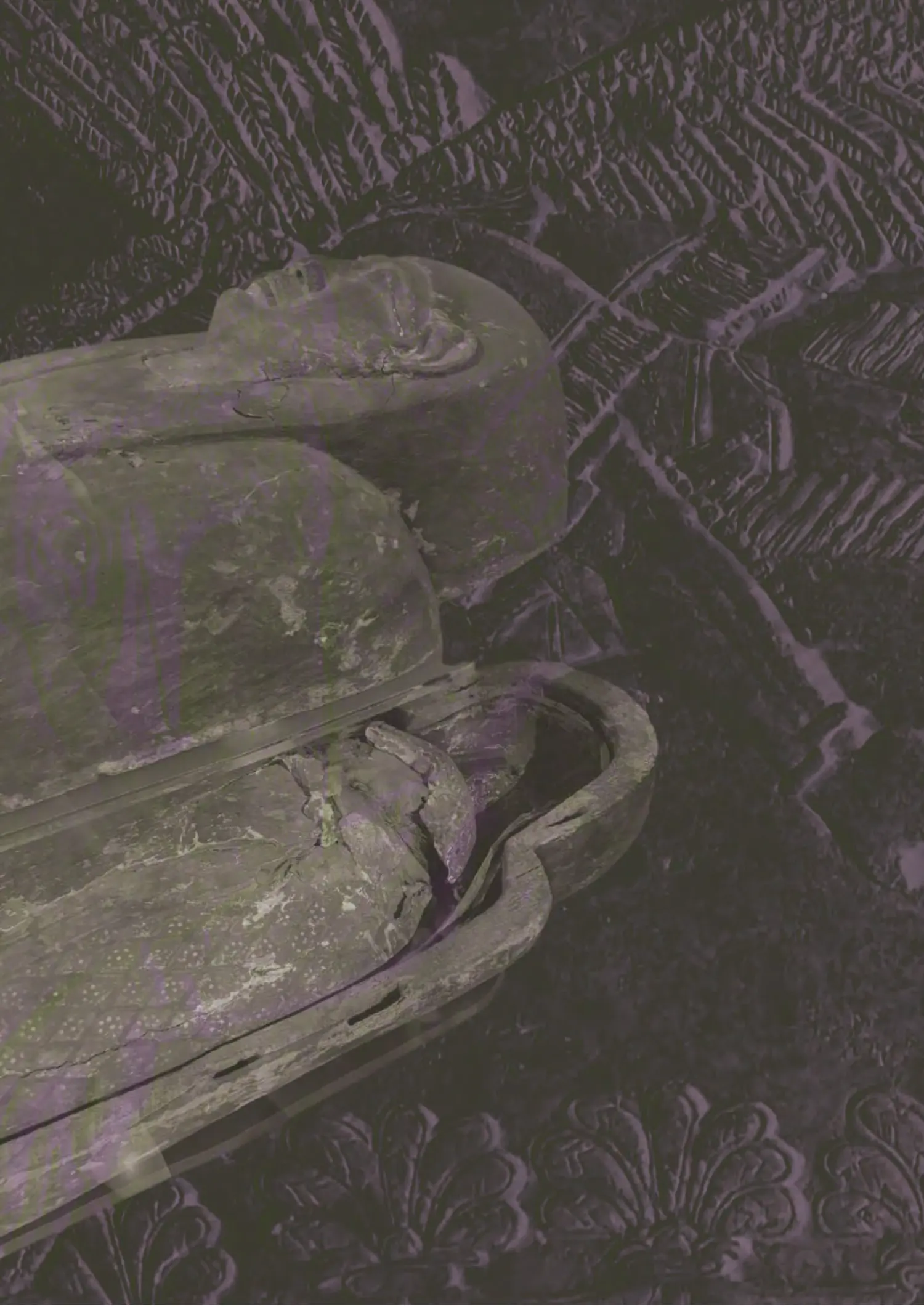
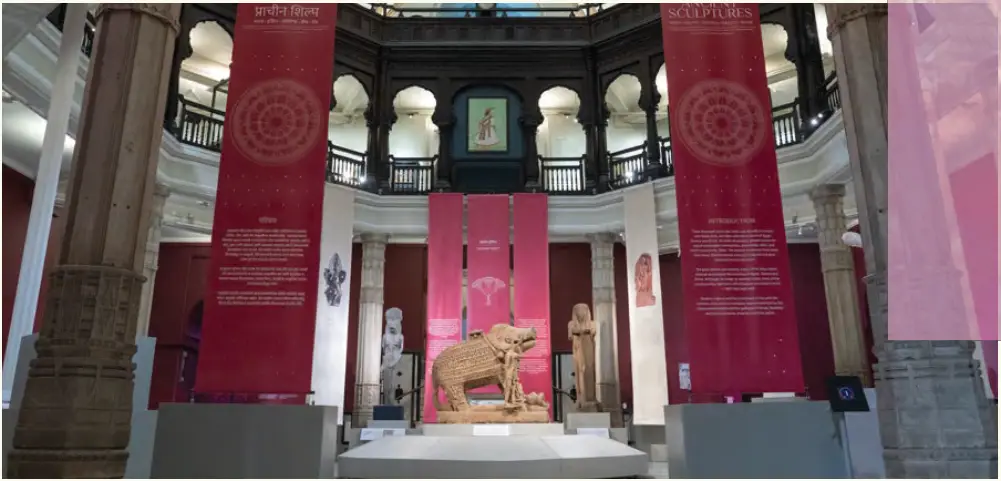
The Ancient Sculptures: India, Egypt, Assyria, Greece, Rome exhibition at Mumbai’s Chhatrapati Shivaji Maharaj Vastu Sangrahalaya (CSMVS) was a landmark event
together a global understanding of the ancient historical past. The project was initiated and supported in collaboration with the J. Paul Getty Museum, British Museum, Staatliche Museen zu Berlin and various museums in India.
and Rome, the exhibition challenged the Eurocentric divide between “East” and
Varaha or boar in Indian mythic tradition was a standout object in the exhibition, creating a narrative of an important tradition of zoomorphic depictions of deities in antiquarian cultures. Similarly, Ancient Sculptures showcased a 3,000-year-old Sekhmet sculpture from Egypt depicting the female deity with a lion-head.
The exhibition resisted a geographic or chronological split and instead curated the
of nature in our lives, the divine form, and ideas and paradigms of beauty, that resonated with a contemporary audience fostering greater connection with an
statues digitally.
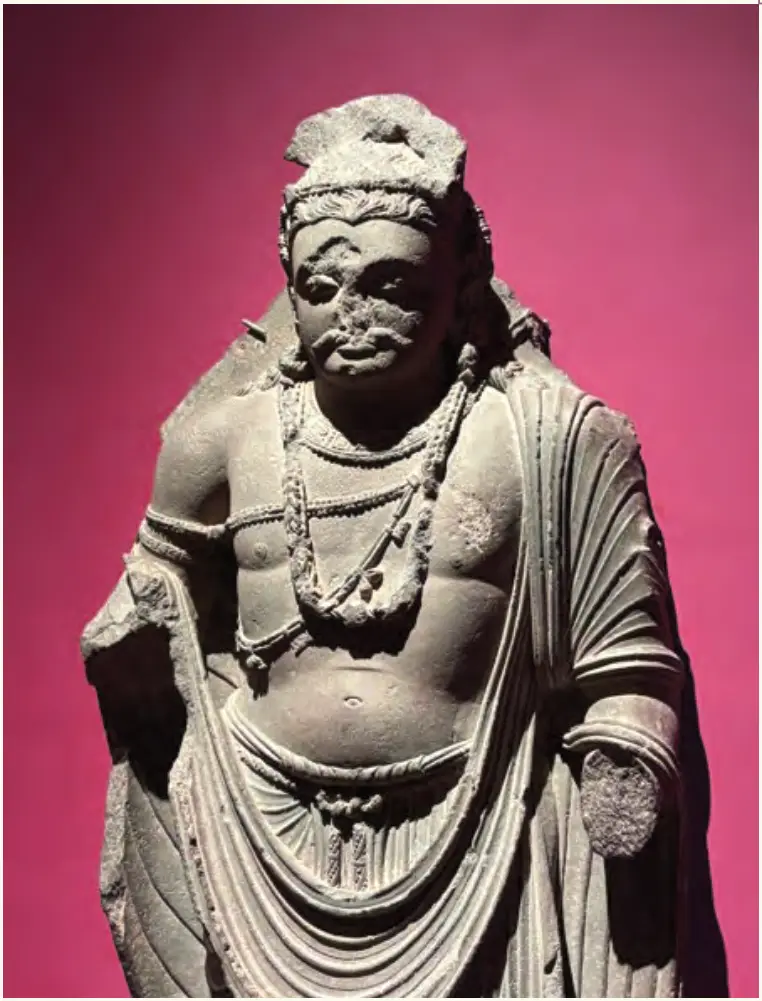
This exhibition was a triumph of comparative art history, dissolving boundaries between Western Classical
connections not previously looked at, it attempted to rewrite narratives of isolated and independent civilisational cultures. It instead built on the idea of an interconnected ancient world
one another.
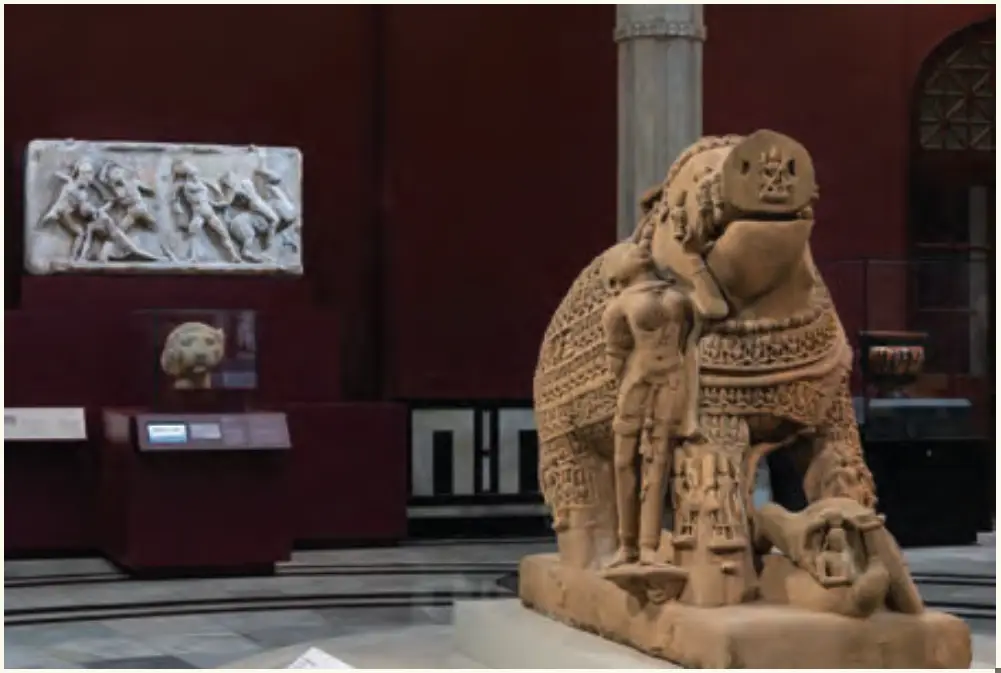
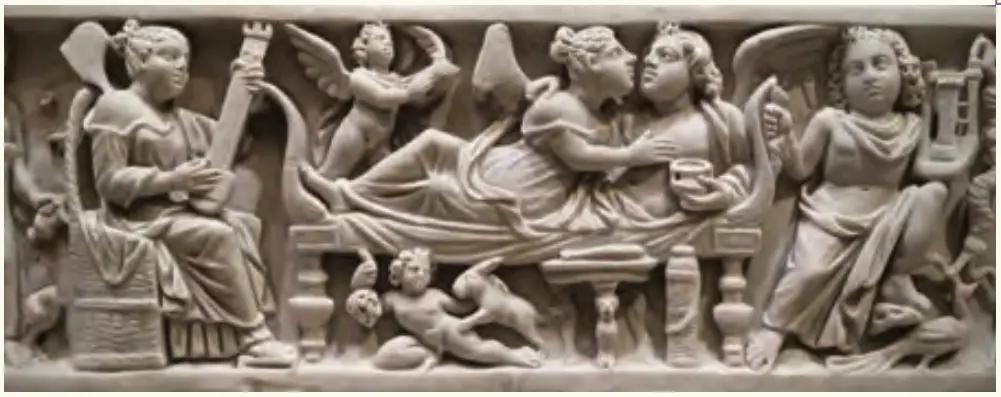
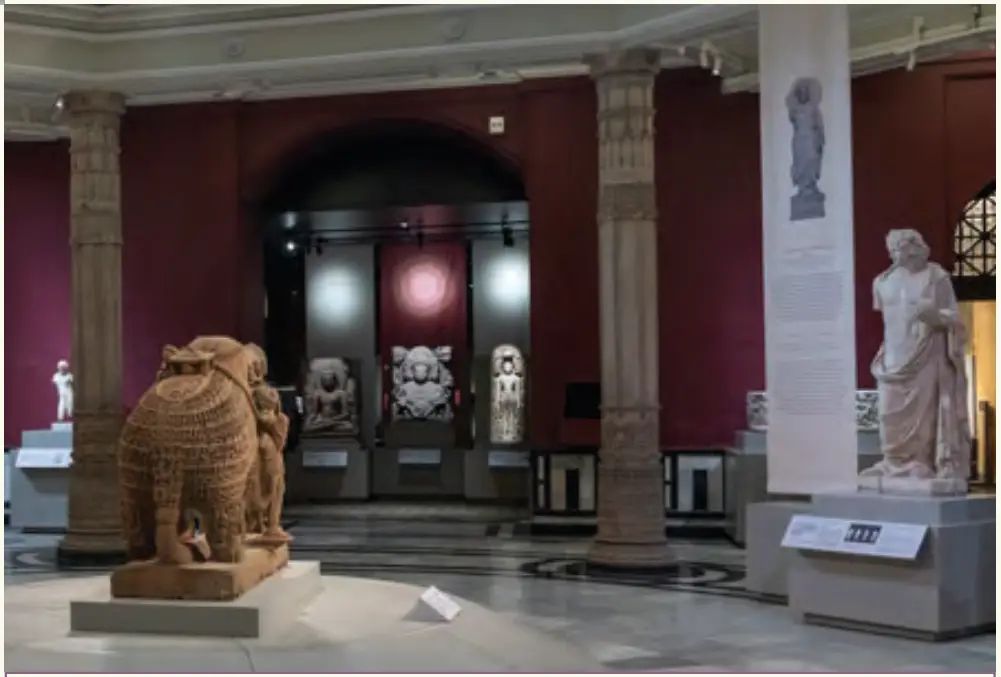
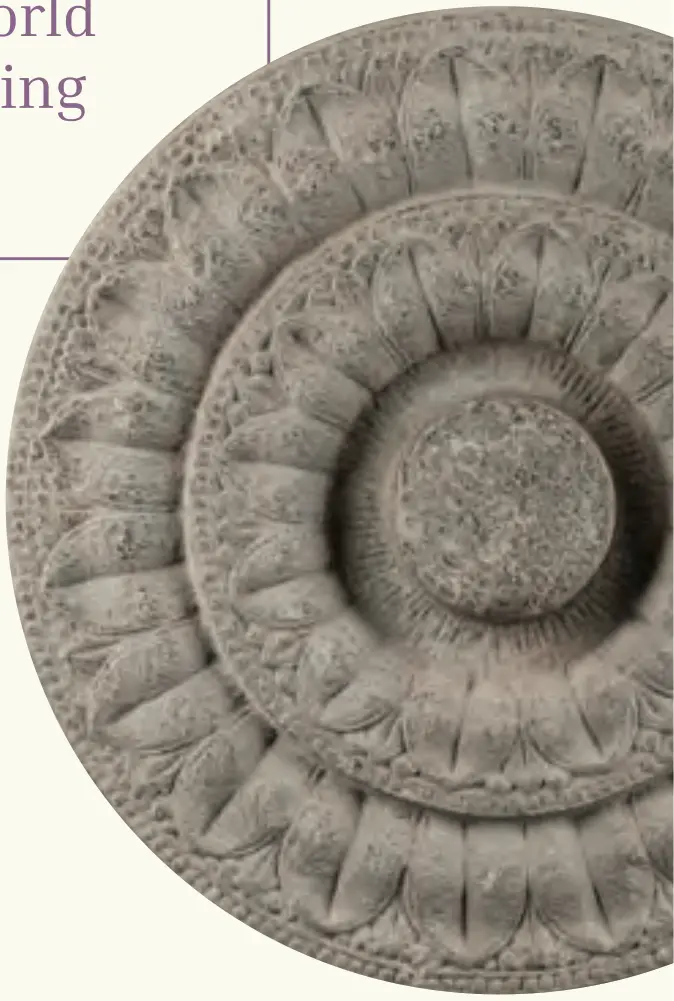
The CSMVS’s collaboration with the Louvre and British Museum attempted to bring together these ancient civilisations in a dialogue among one another, establishing a contact these cultures were already sharing in antiquity.
View original pages, photographs & credits
Originally published in Museum Mosaic 2024, published May 2025.
Part of our annual review. Descriptions reflect the publication’s reporting period.