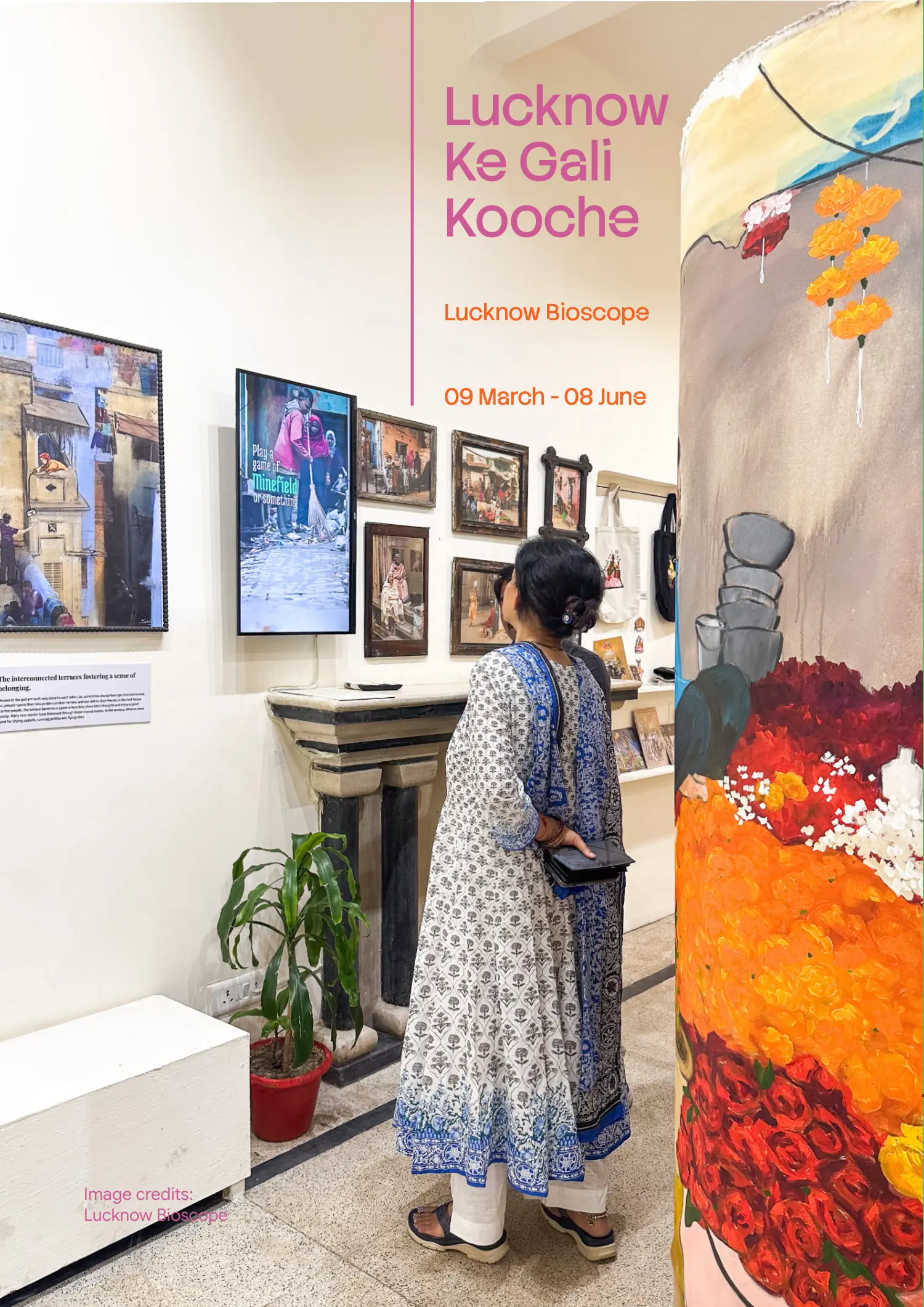
Lucknow Bioscope
09 March - 08 June
Image credits: Lucknow Bioscope
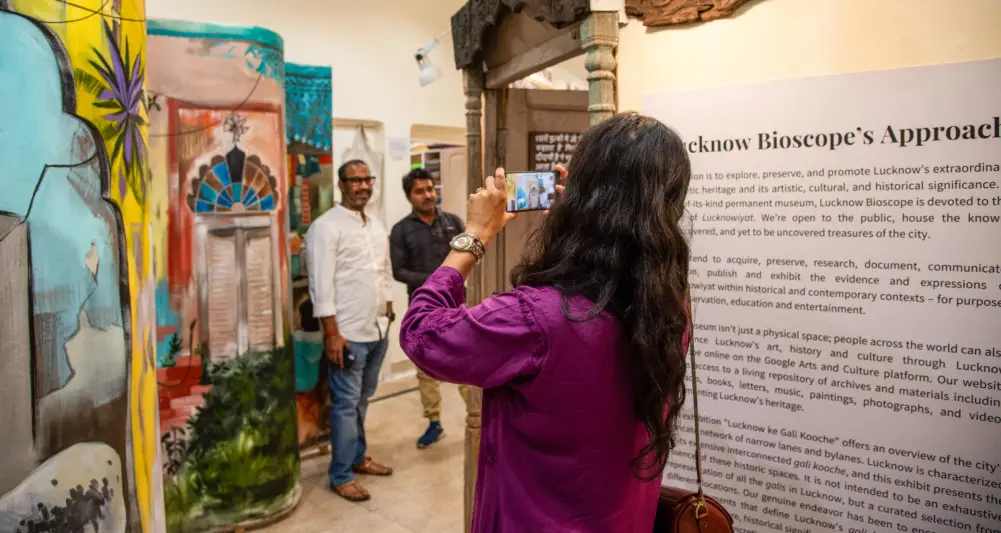
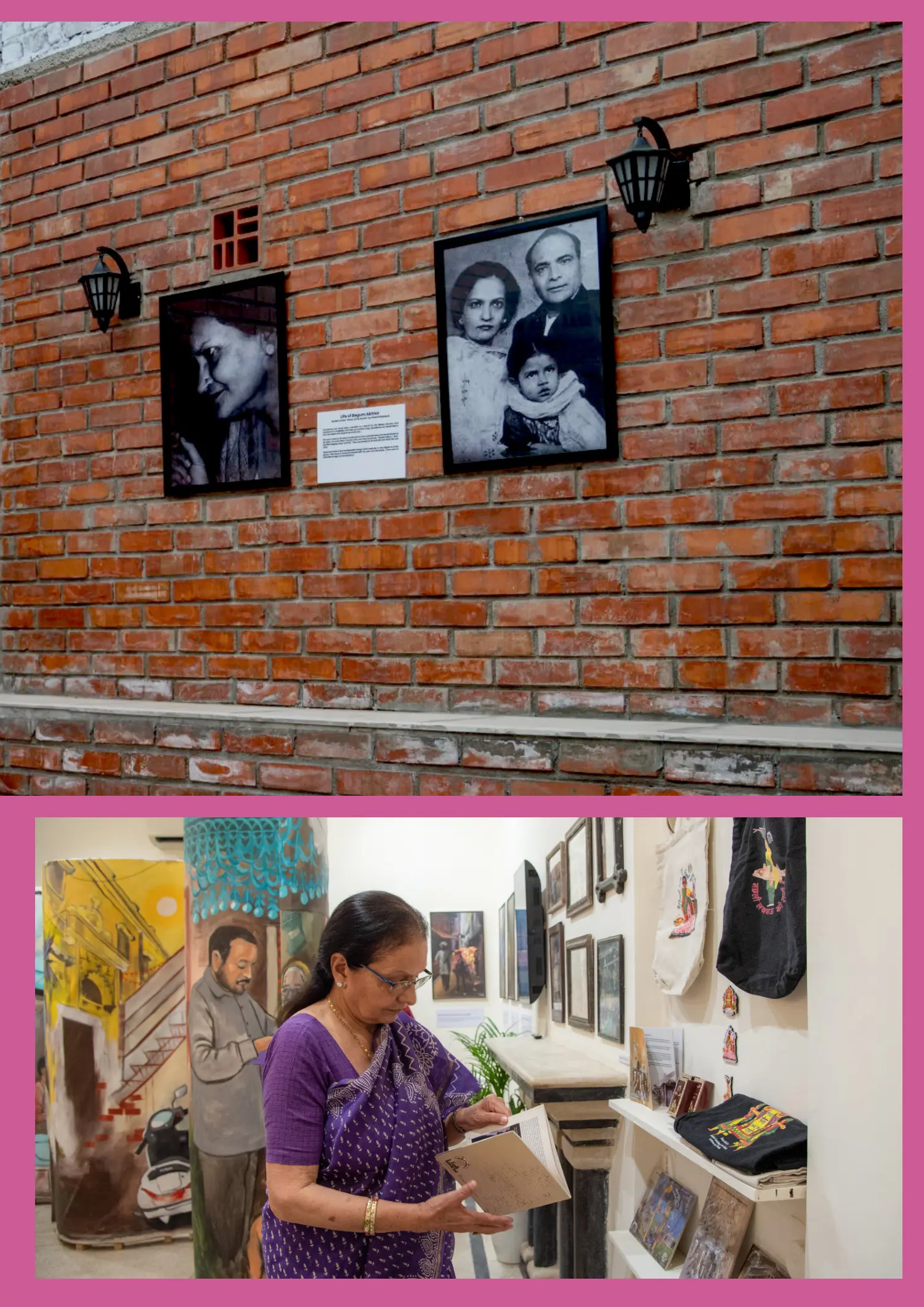
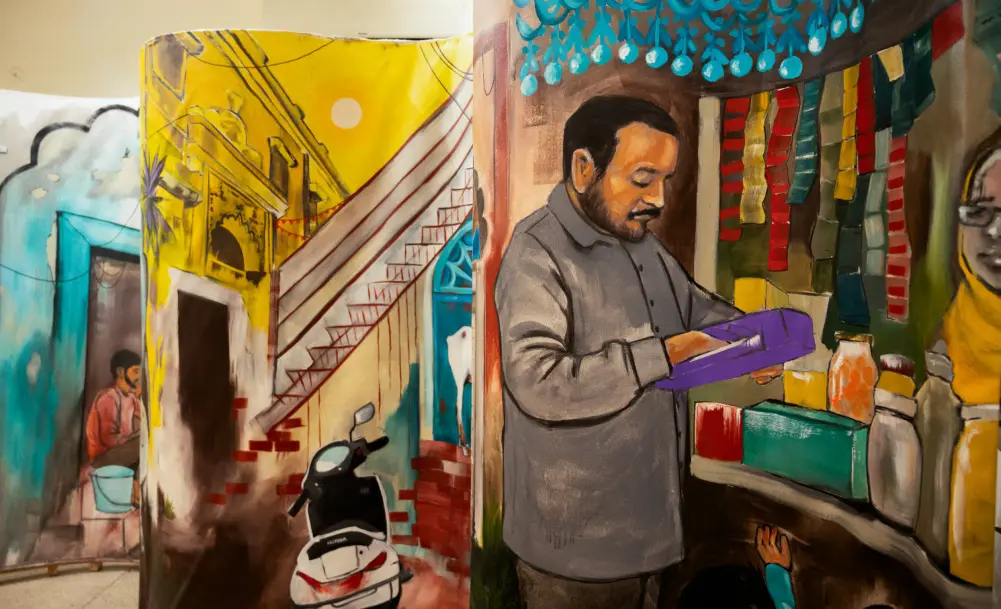
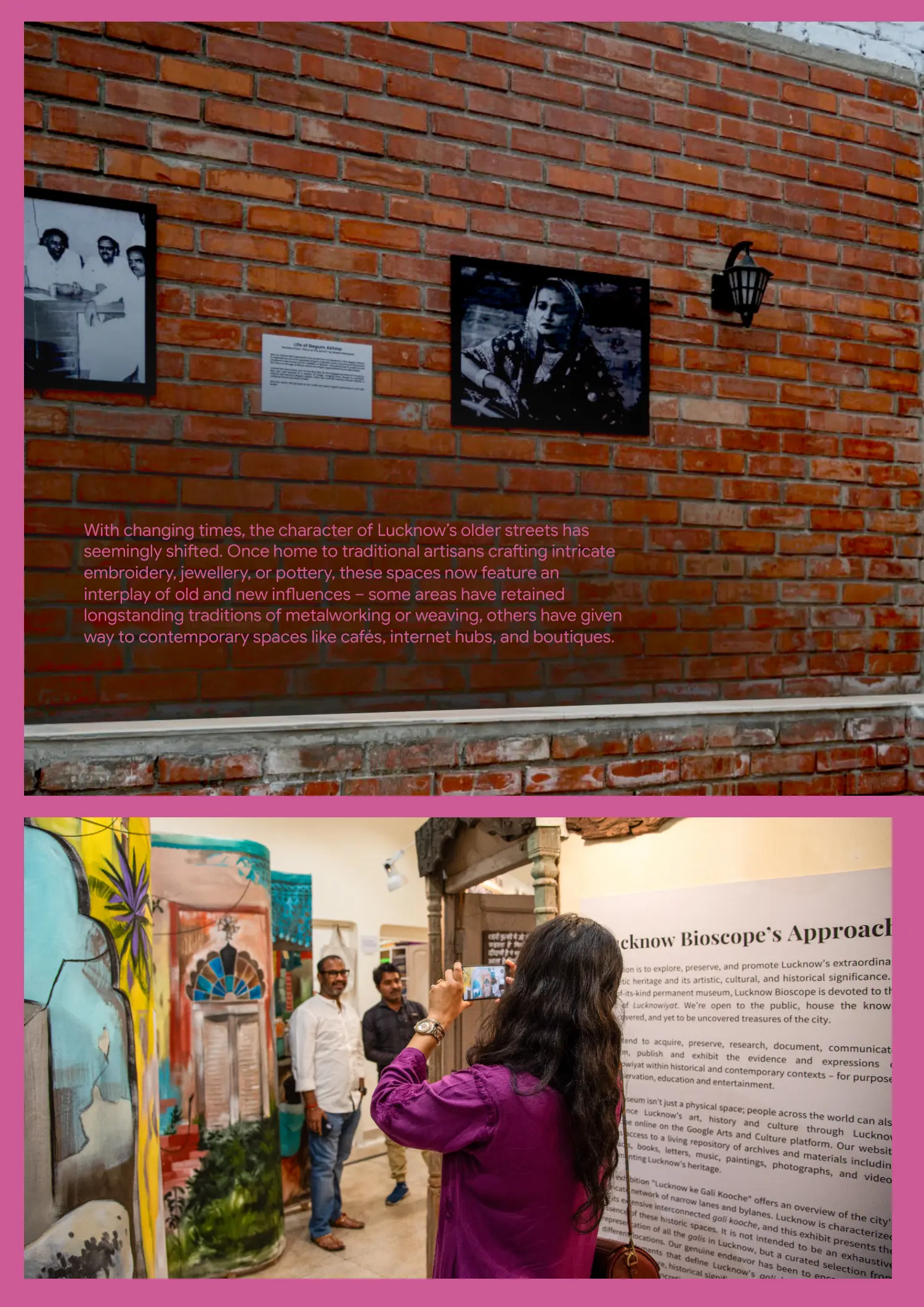
An exploration of people, culture, and memory, Lucknow Ke Gali Kooche, curated by Lucknow Bioscope in 2025, mapped the city’s bustling galis and kooche, or narrow lanes and bylanes, offering a window into their rich historical legacy and shared heritage. The exhibition celebrated the charm of these unique cultural spaces, documenting them as lived institutions of craft, memory, and community.
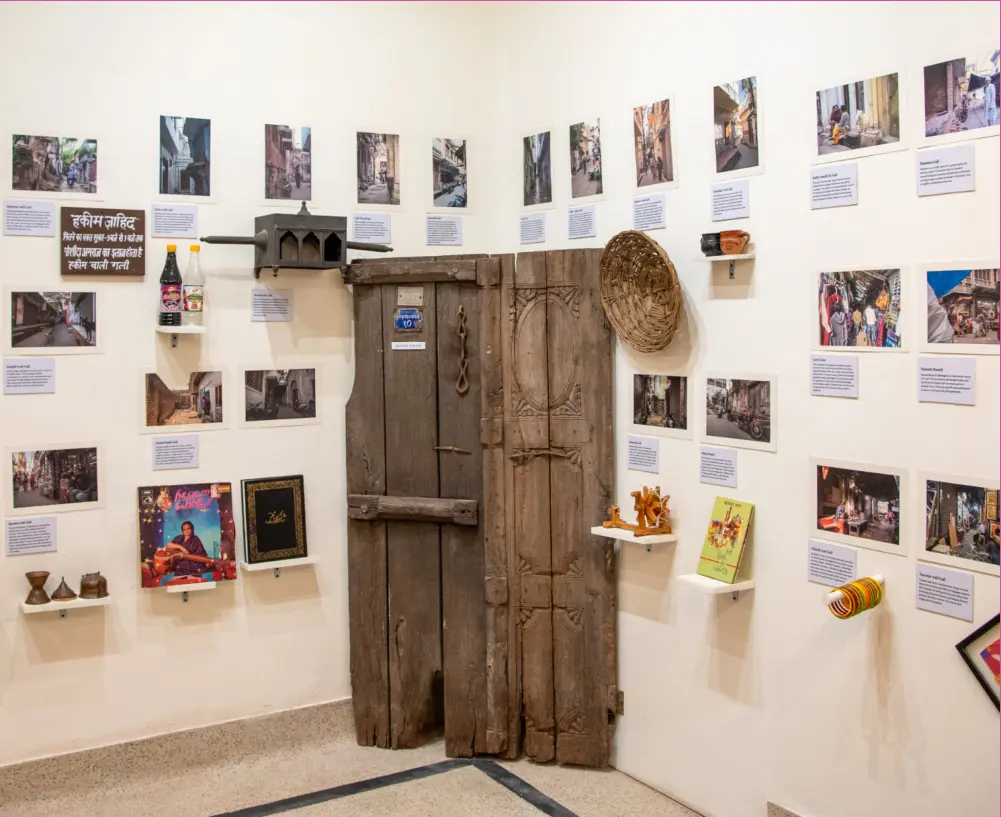
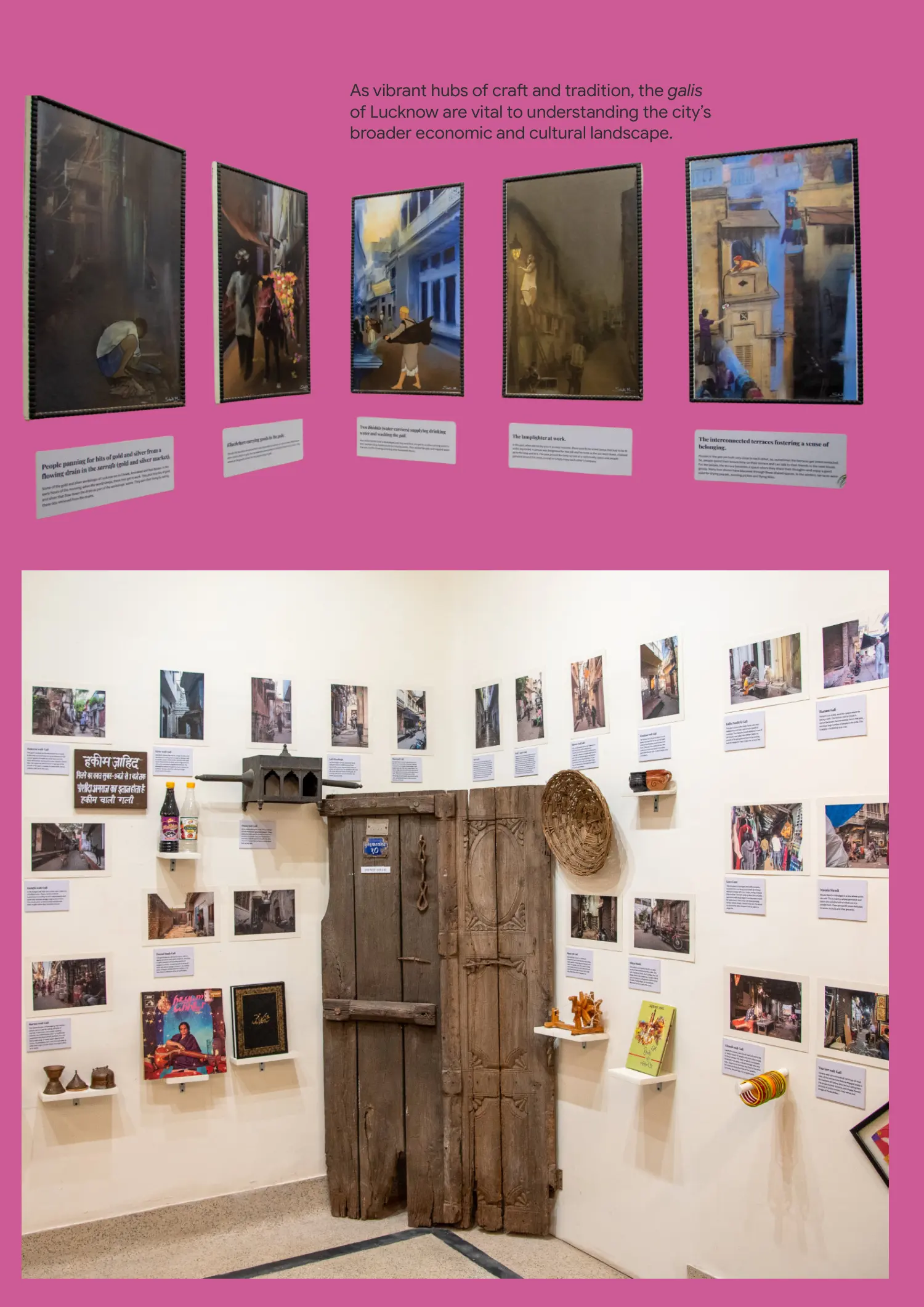
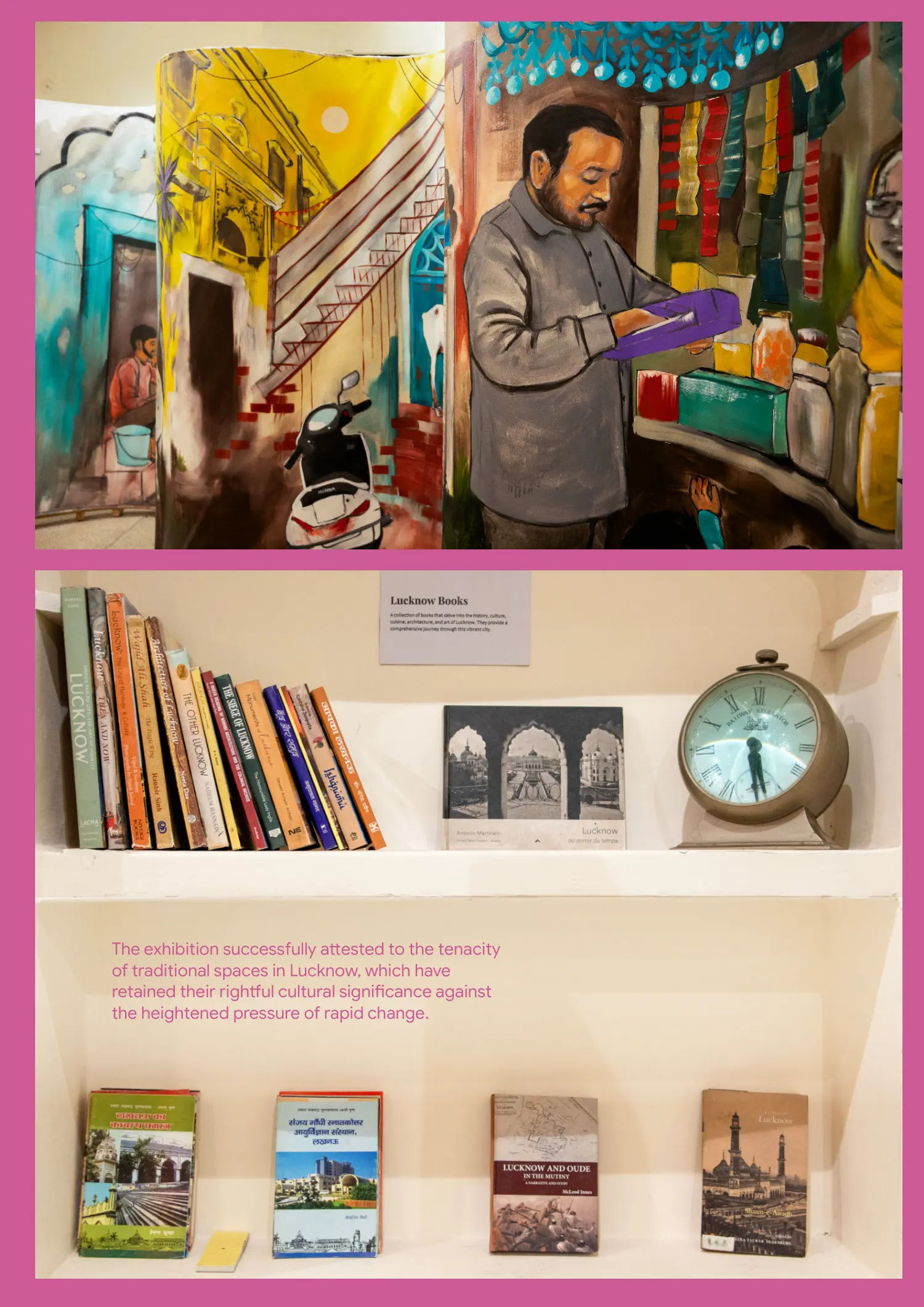
Spread across five thematic sections, the exhibit incorporated personal histories, maps, memoirs, books, and souvenirs, showcasing the intricate network of Lucknow’s gali kooche. It focused on capturing the primary elements that define them – from crafts, people, and architecture, to the historical significance and syncretic culture they foster. Galis are dynamic institutions, shouldering a living body of stories, tangible heritage, and collective lived experiences spanning multiple generations. They form an indispensable part of the quintessential Indian mohalla, or neighbourhood, where bustling shops, busy routines, and lively conversations forge shared memory.
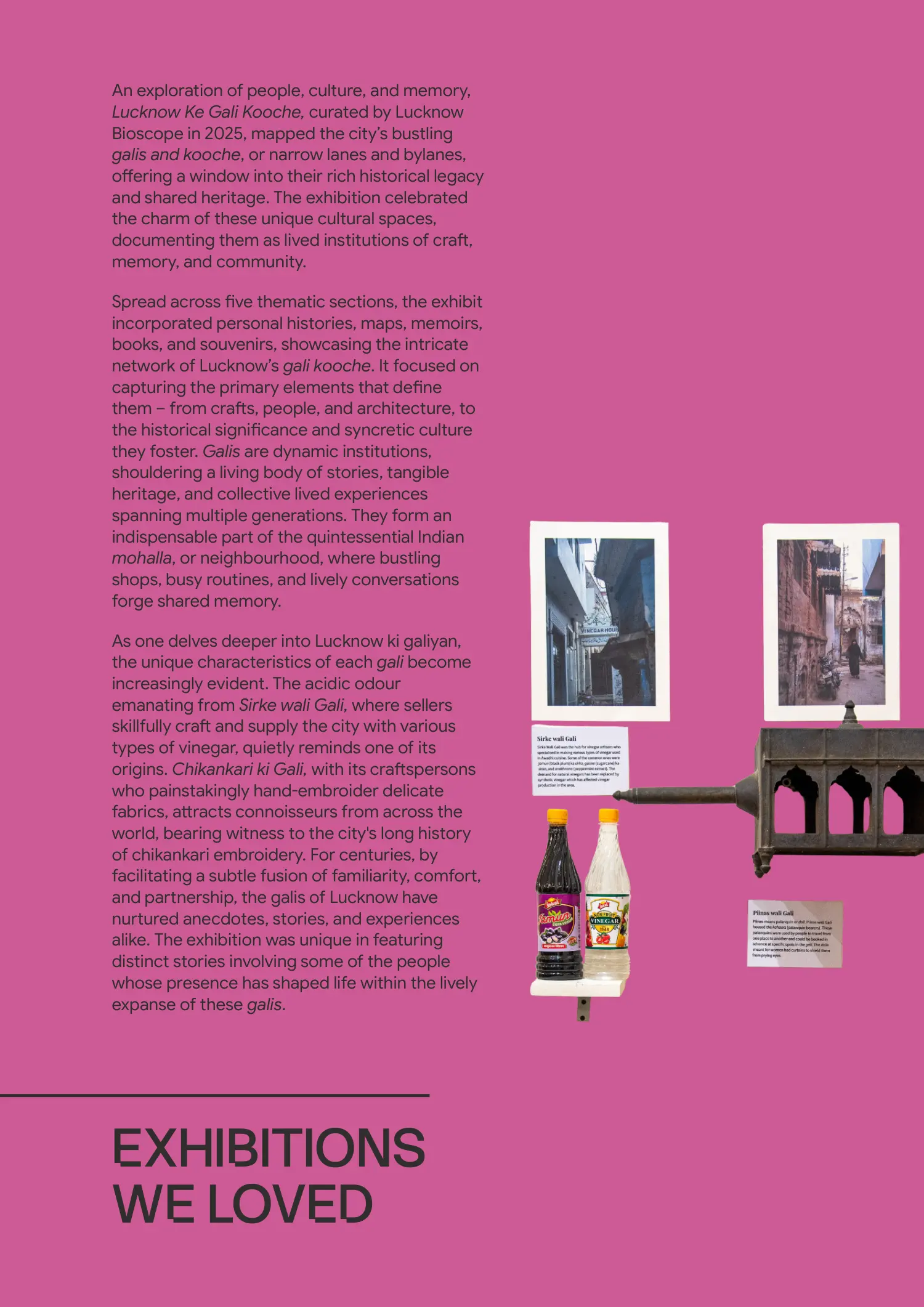
As one delves deeper into Lucknow ki galiyan, the unique characteristics of each gali become increasingly evident. The acidic odour emanating from Sirke wali Gali, where sellers skillfully craft and supply the city with various types of vinegar, quietly reminds one of its origins. Chikankari ki Gali, with its craftspersons who painstakingly hand-embroider delicate fabrics, attracts connoisseurs from across the world, bearing witness to the city's long history of chikankari embroidery. For centuries, by facilitating a subtle fusion of familiarity, comfort, and partnership, the galis of Lucknow have nurtured anecdotes, stories, and experiences alike. The exhibition was unique in featuring distinct stories involving some of the people whose presence has shaped life within the lively expanse of these galis.
EXHIBITIONS WE LOVED
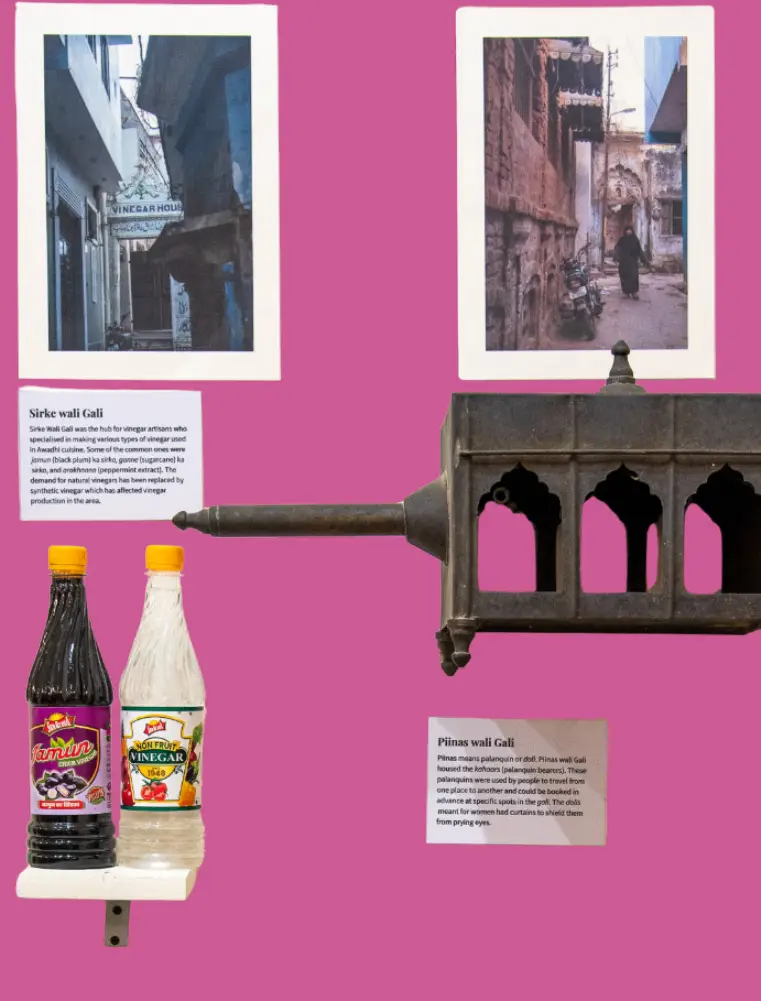
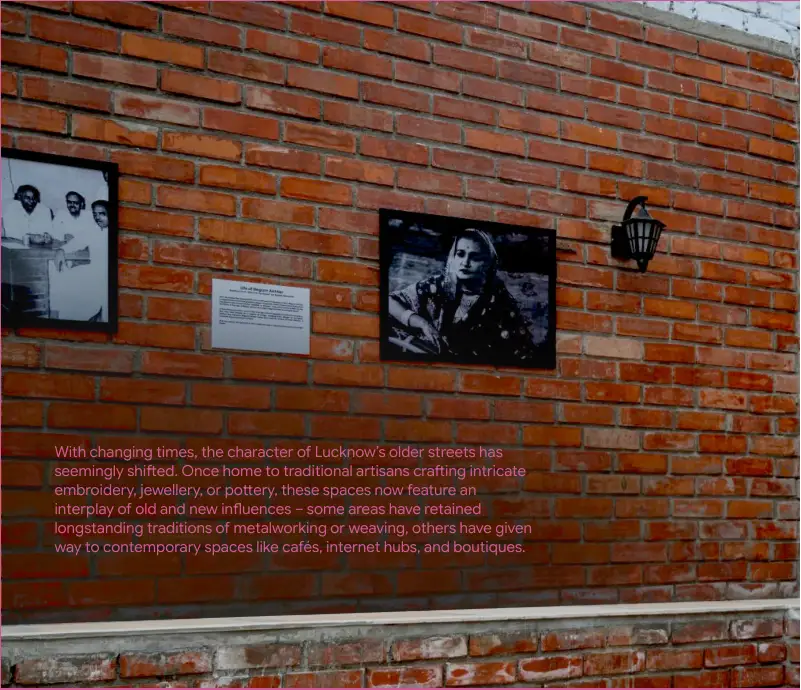
With changing times, the character of Lucknow’s older streets has seemingly shifted. Once home to traditional artisans crafting intricate embroidery, jewellery, or pottery, these spaces now feature an interplay of old and new influences – some areas have retained longstanding traditions of metalworking or weaving, others have given way to contemporary spaces like cafés, internet hubs, and boutiques.
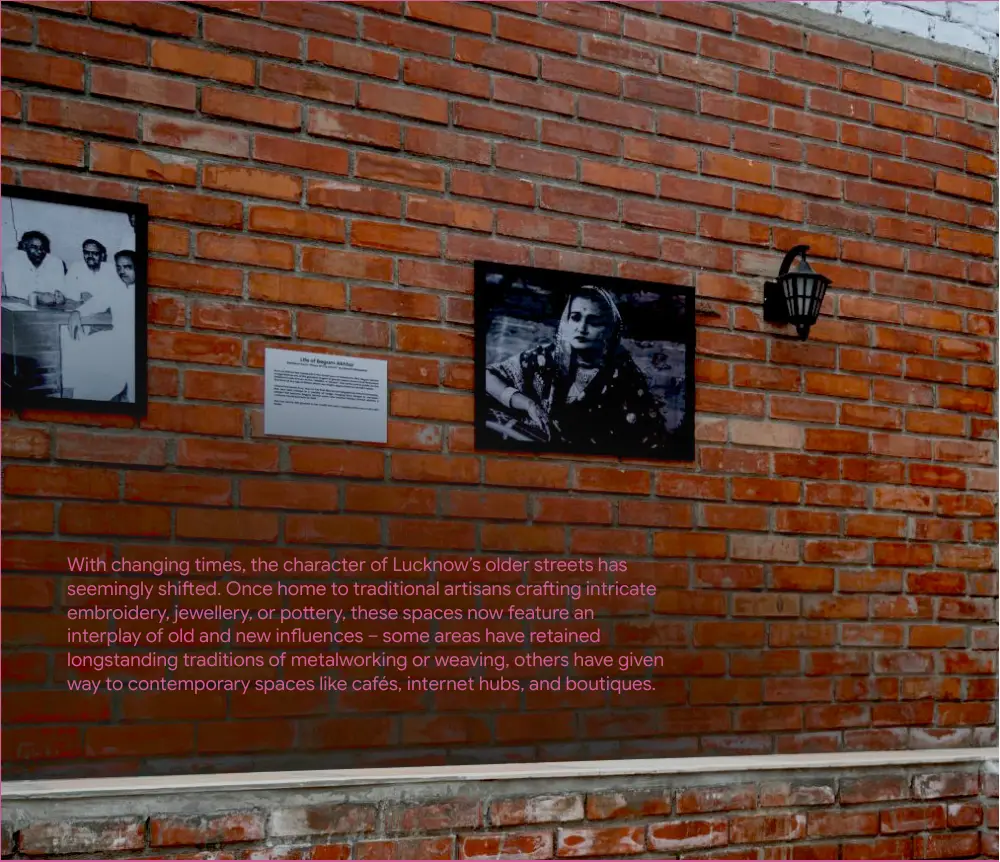
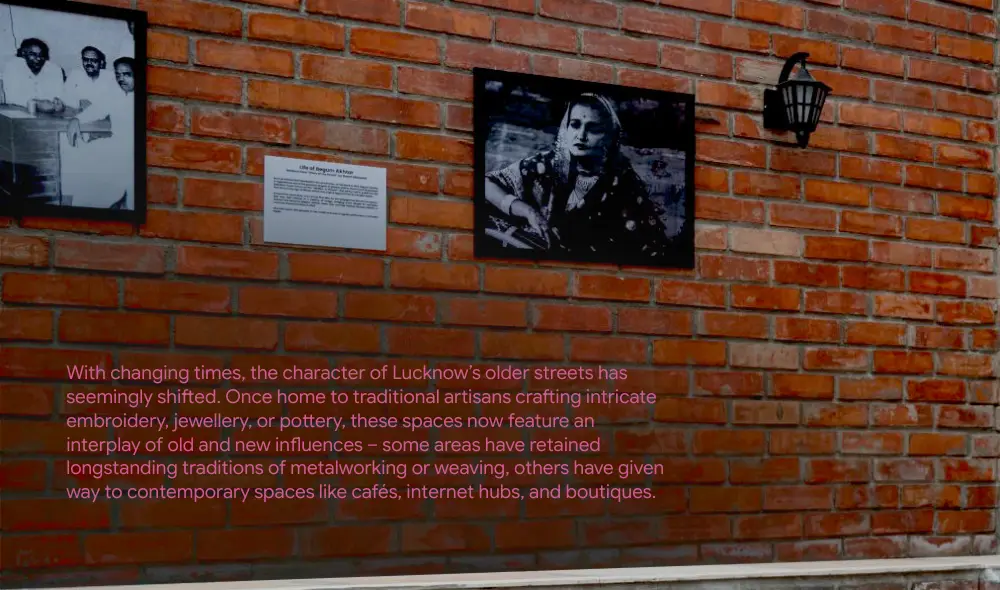
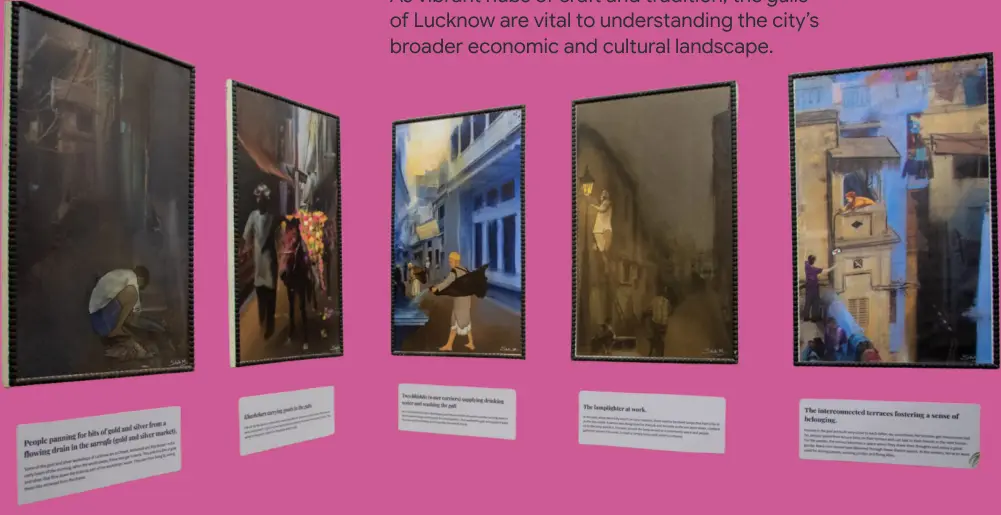
As vibrant hubs of craft and tradition, the galis of Lucknow are vital to understanding the city’s broader economic and cultural landscape.
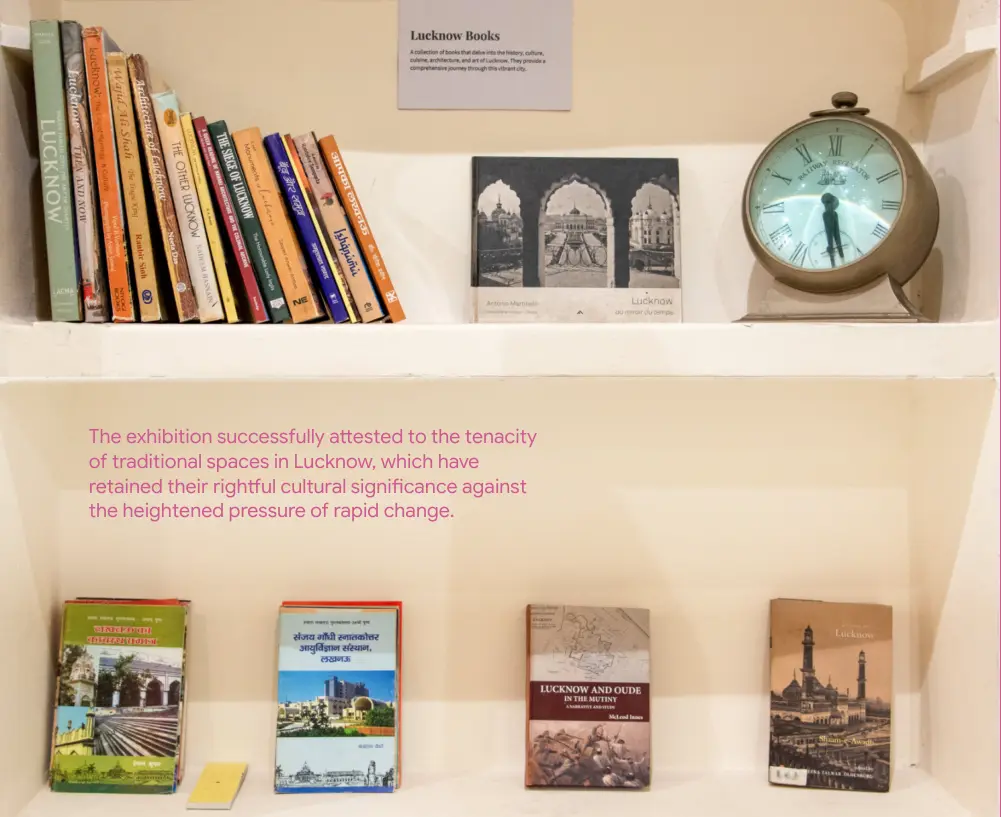
The exhibition successfully attested to the tenacity of traditional spaces in Lucknow, which have retained their rightful cultural significance against the heightened pressure of rapid change.
View original pages, photographs & credits
Originally published in Museum Mosaic 2025, published May 2026.
Part of our annual review. Descriptions reflect the publication’s reporting period.