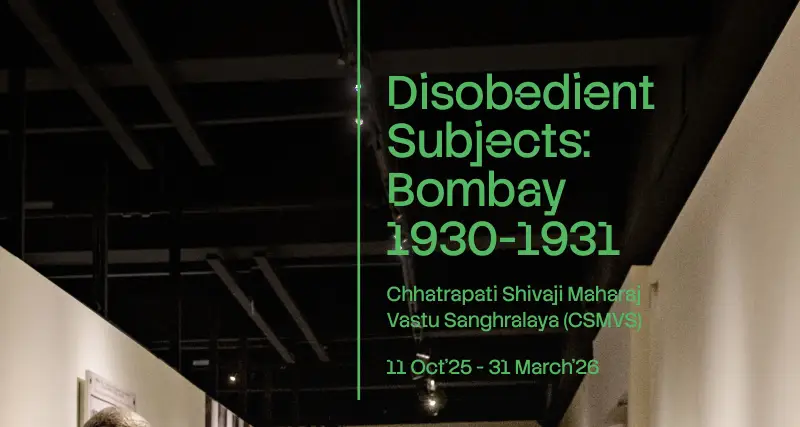
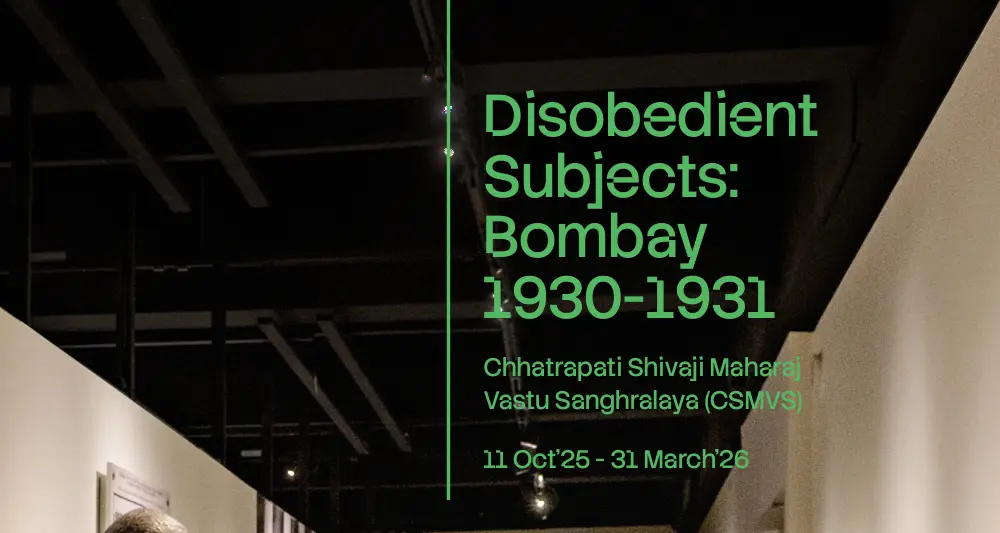
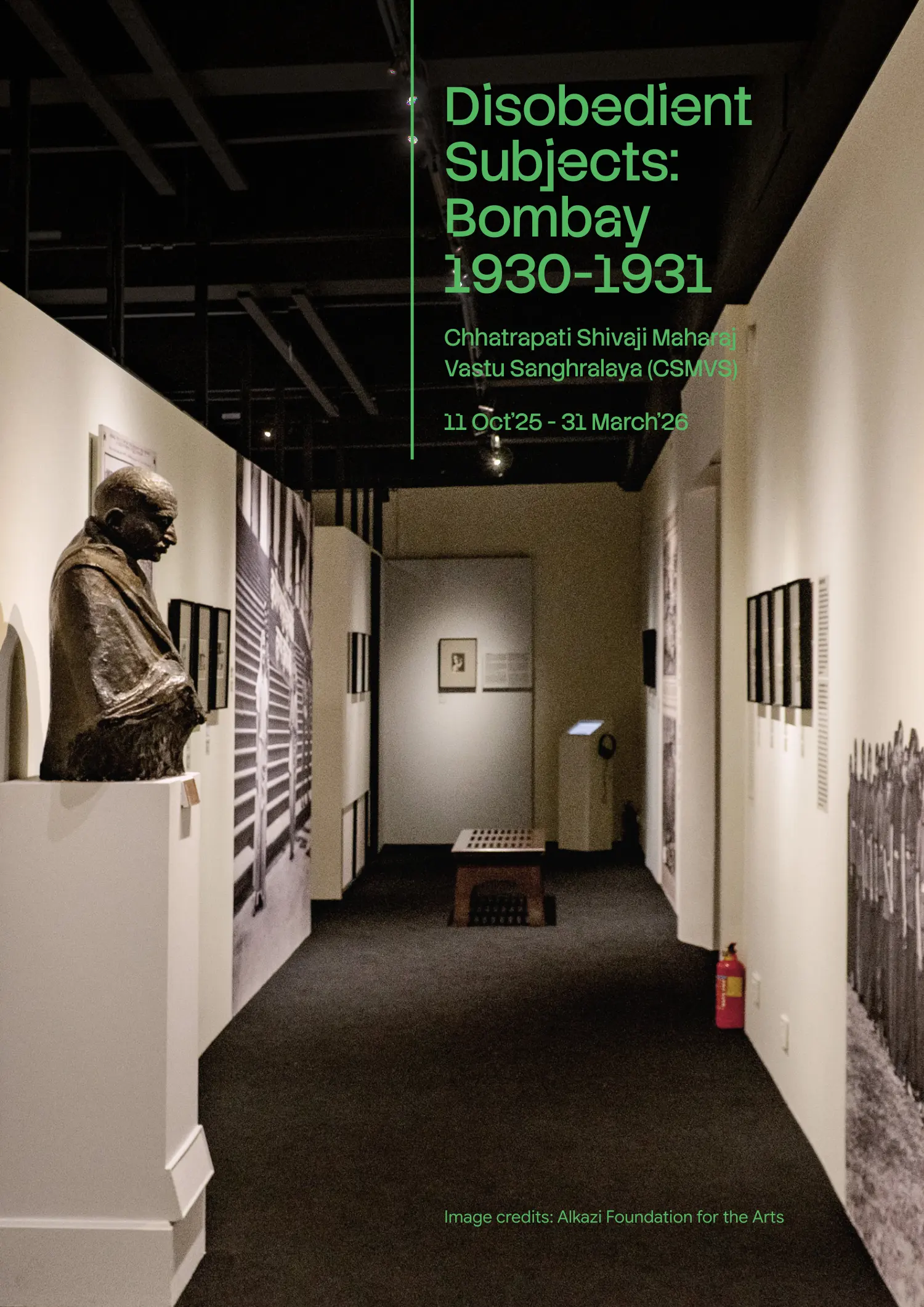
Chhatrapati Shivaji Maharaj Vastu Sanghralaya (CSMVS)
11 Oct’25 - 31 March’26
Image credits: Alkazi Foundation for the Arts
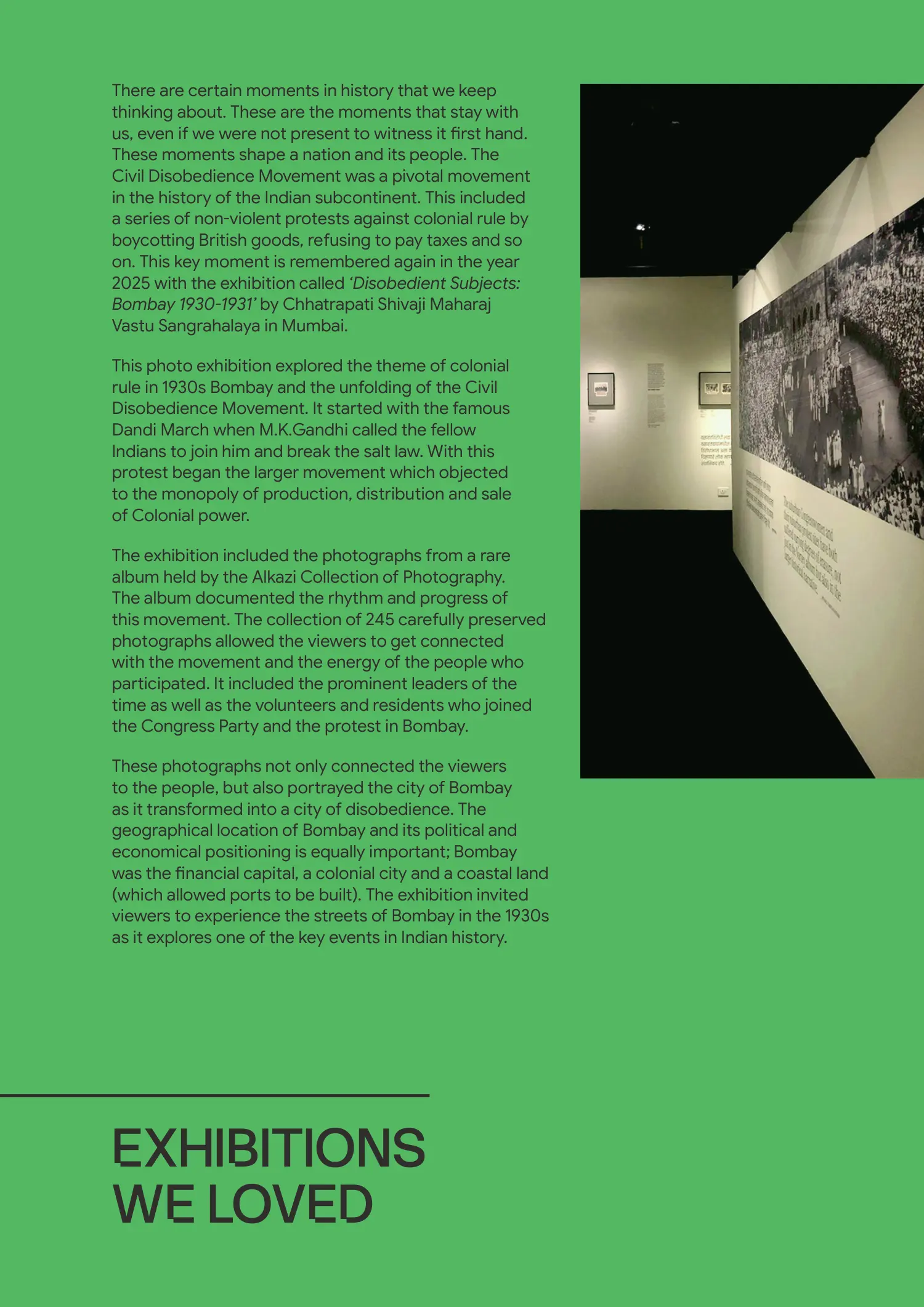
There are certain moments in history that we keep thinking about. These are the moments that stay with us, even if we were not present to witness it first hand. These moments shape a nation and its people. The Civil Disobedience Movement was a pivotal movement in the history of the Indian subcontinent. This included a series of non-violent protests against colonial rule by boycotting British goods, refusing to pay taxes and so on. This key moment is remembered again in the year 2025 with the exhibition called ‘Disobedient Subjects: Bombay 1930-1931’ by Chhatrapati Shivaji Maharaj Vastu Sangrahalaya in Mumbai.
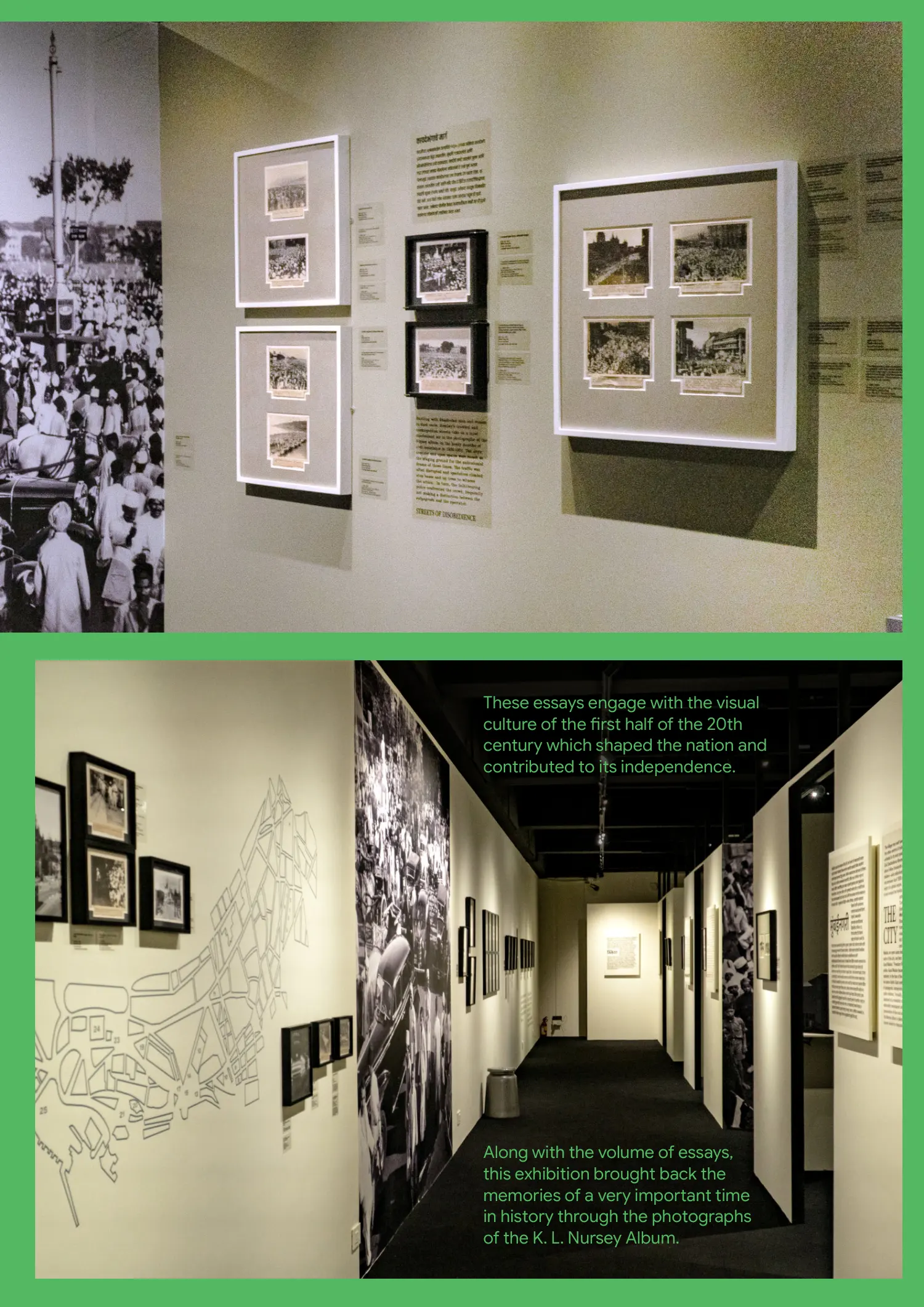
This photo exhibition explored the theme of colonial rule in 1930s Bombay and the unfolding of the Civil Disobedience Movement. It started with the famous Dandi March when M.K.Gandhi called the fellow Indians to join him and break the salt law. With this protest began the larger movement which objected to the monopoly of production, distribution and sale of Colonial power.
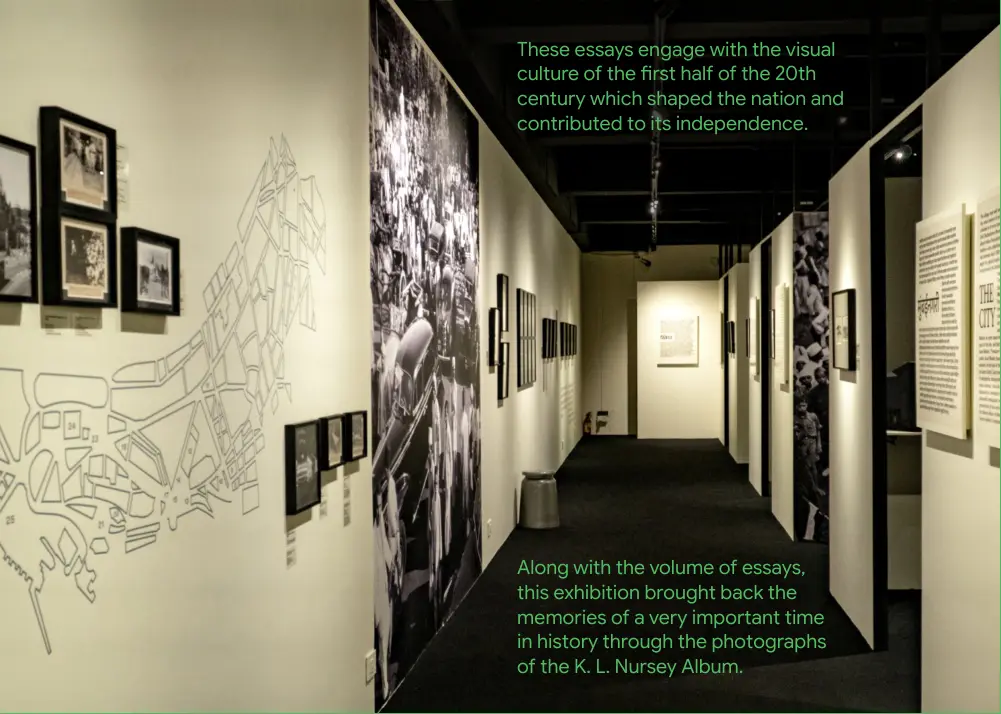
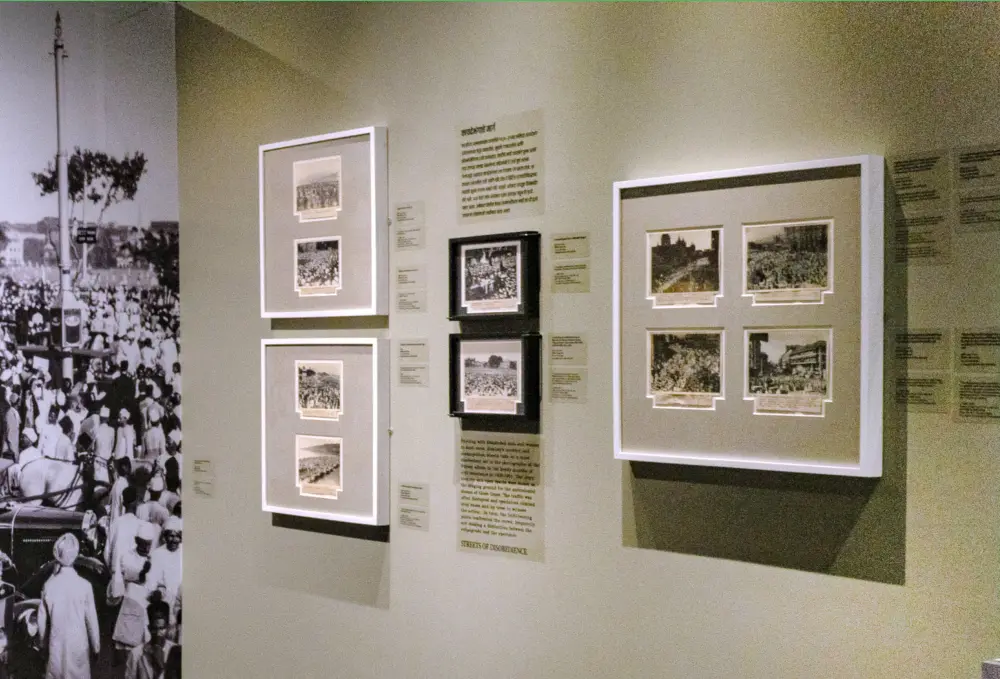
The exhibition included the photographs from a rare album held by the Alkazi Collection of Photography. The album documented the rhythm and progress of this movement. The collection of 245 carefully preserved photographs allowed the viewers to get connected with the movement and the energy of the people who participated. It included the prominent leaders of the time as well as the volunteers and residents who joined the Congress Party and the protest in Bombay.
These photographs not only connected the viewers to the people, but also portrayed the city of Bombay as it transformed into a city of disobedience. The geographical location of Bombay and its political and economical positioning is equally important; Bombay was the financial capital, a colonial city and a coastal land (which allowed ports to be built). The exhibition invited viewers to experience the streets of Bombay in the 1930s as it explores one of the key events in Indian history.
EXHIBITIONS WE LOVED
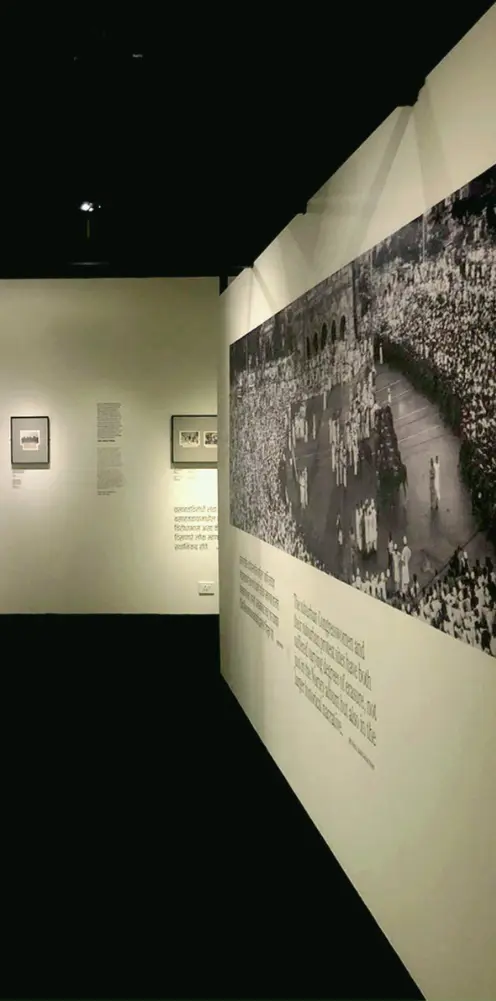
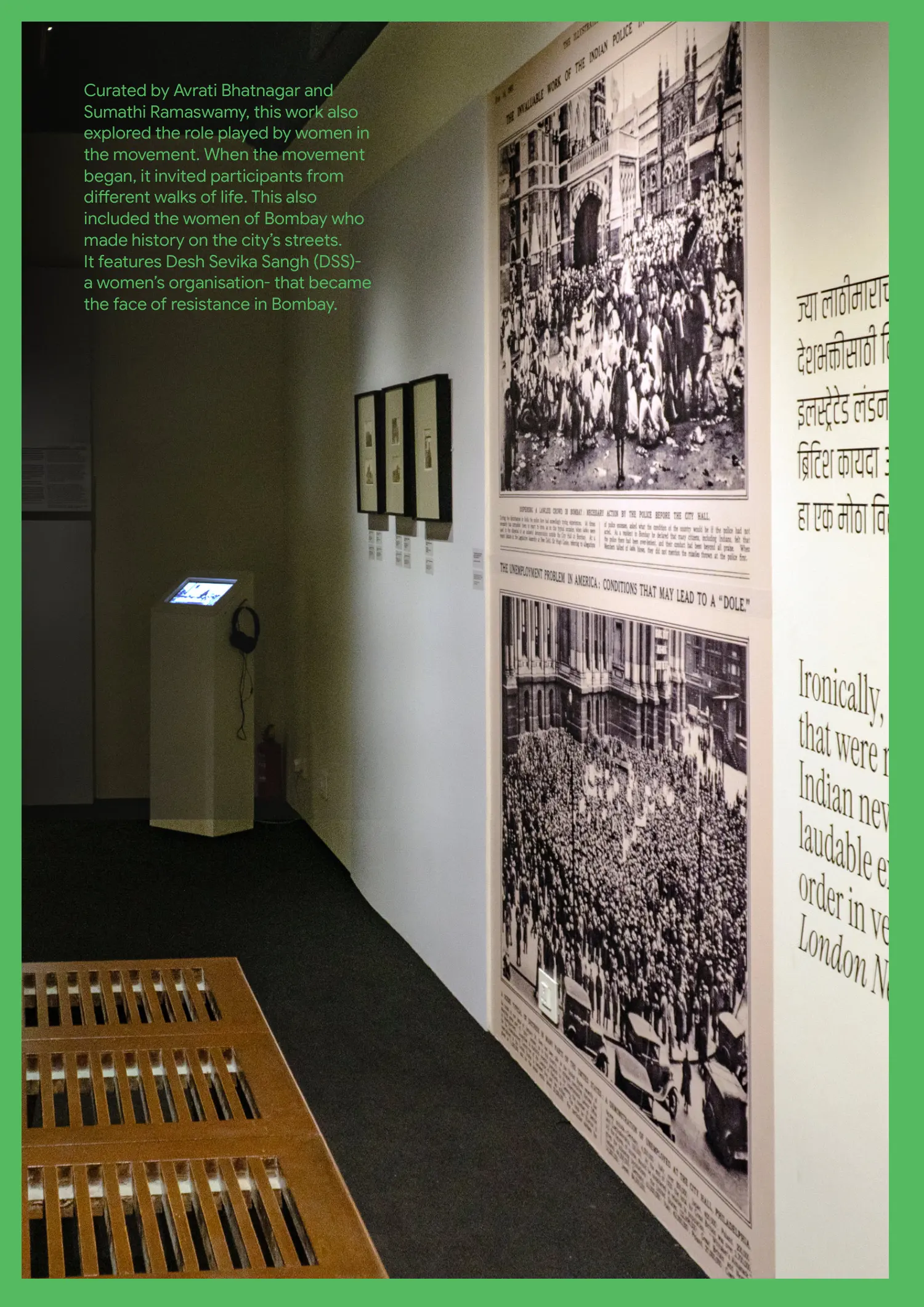
Curated by Avrati Bhatnagar and Sumathi Ramaswamy, this work also explored the role played by women in the movement. When the movement began, it invited participants from different walks of life. This also included the women of Bombay who made history on the city’s streets. It features Desh Sevika Sangh (DSS)- a women’s organisation- that became the face of resistance in Bombay.
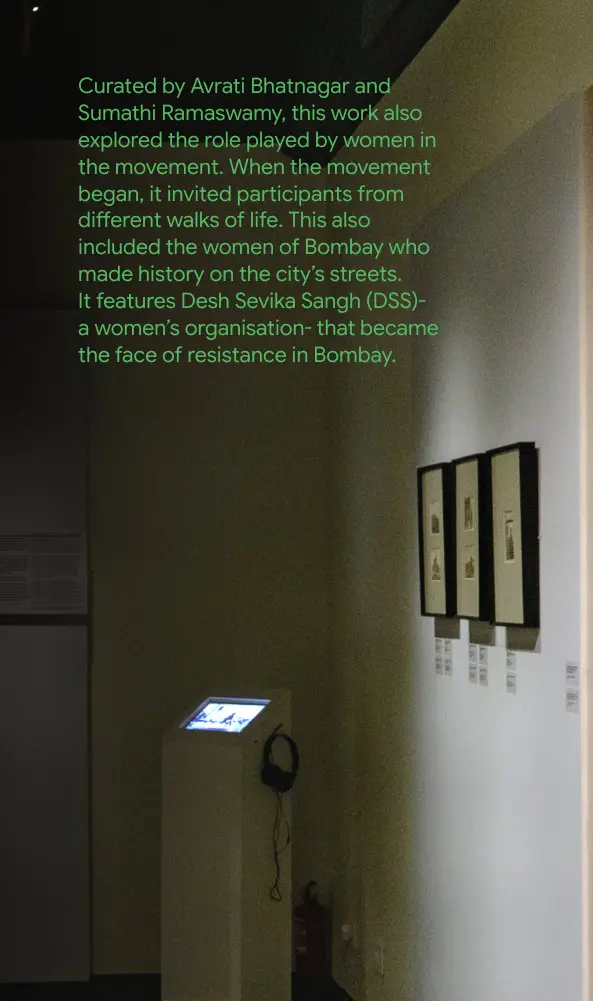
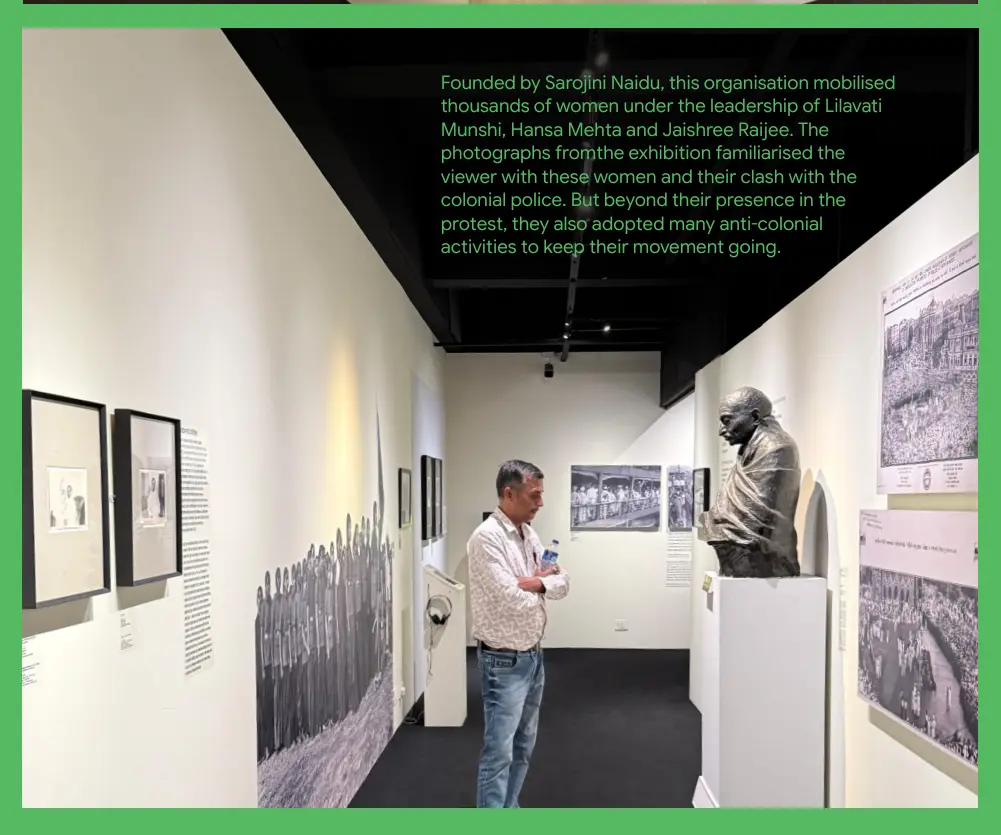
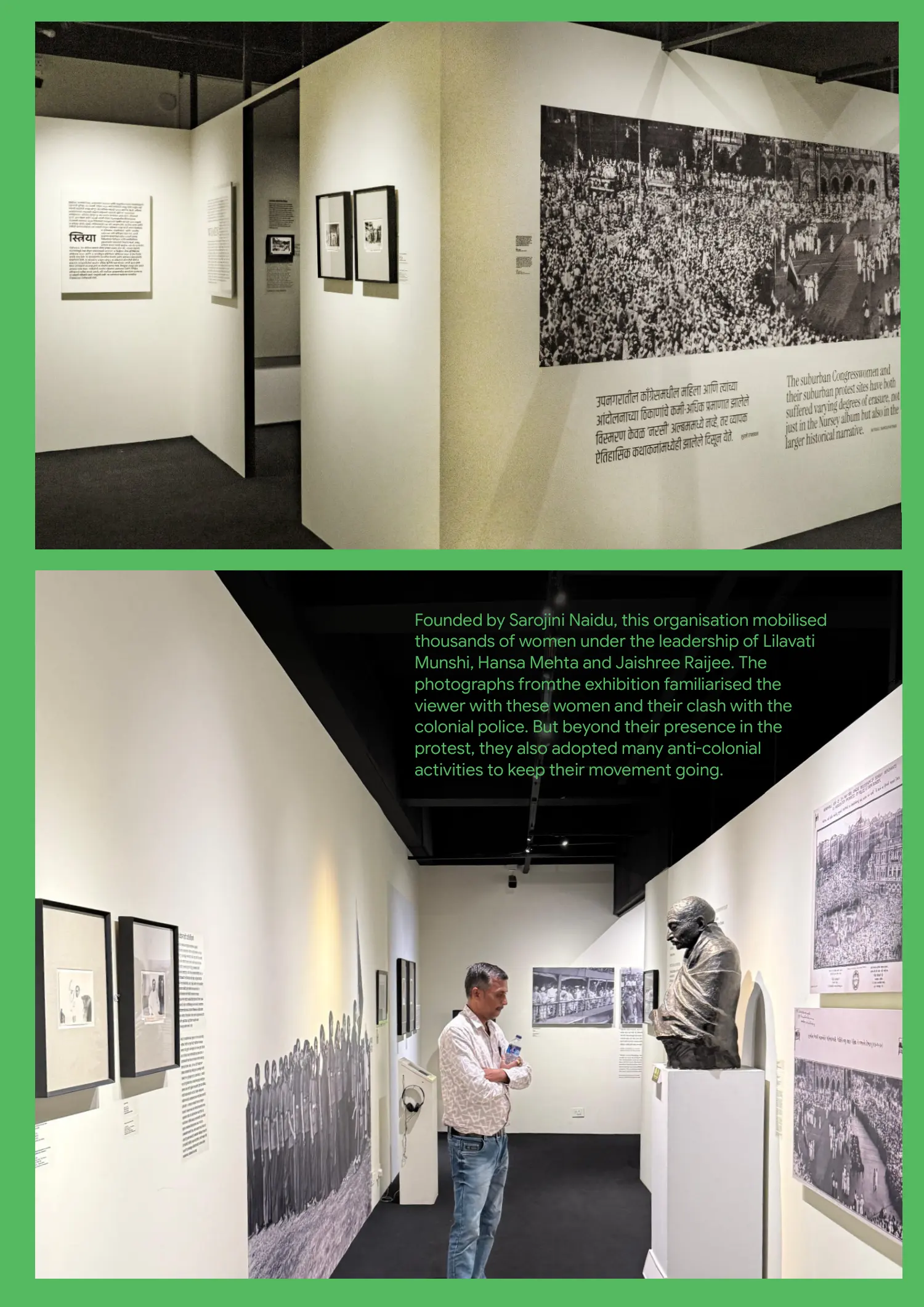
Founded by Sarojini Naidu, this organisation mobilised thousands of women under the leadership of Lilavati Munshi, Hansa Mehta and Jaishree Raijee. The photographs fromthe exhibition familiarised the viewer with these women and their clash with the colonial police. But beyond their presence in the protest, they also adopted many anti-colonial activities to keep their movement going.
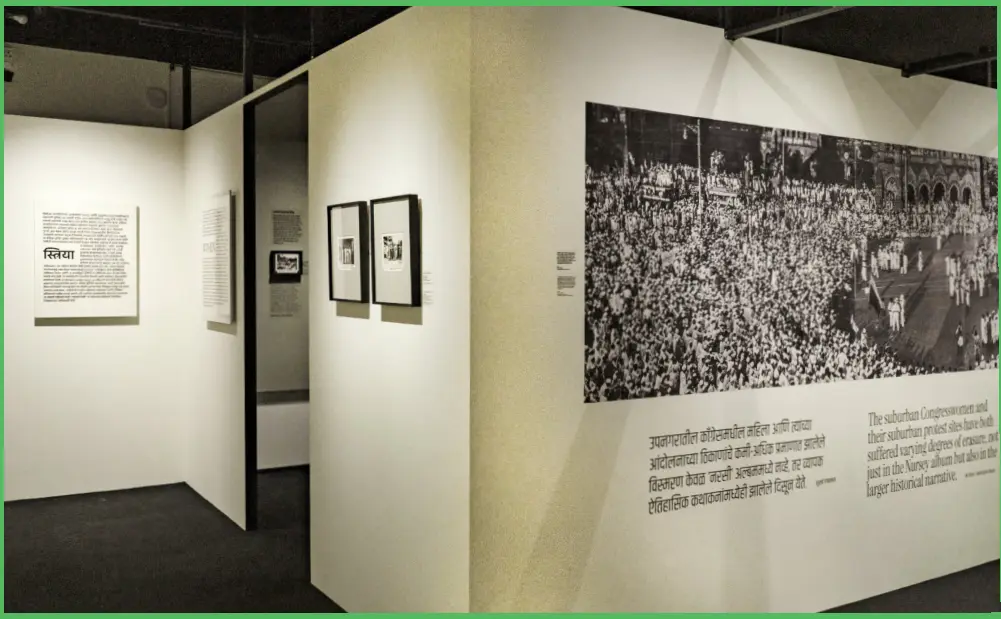
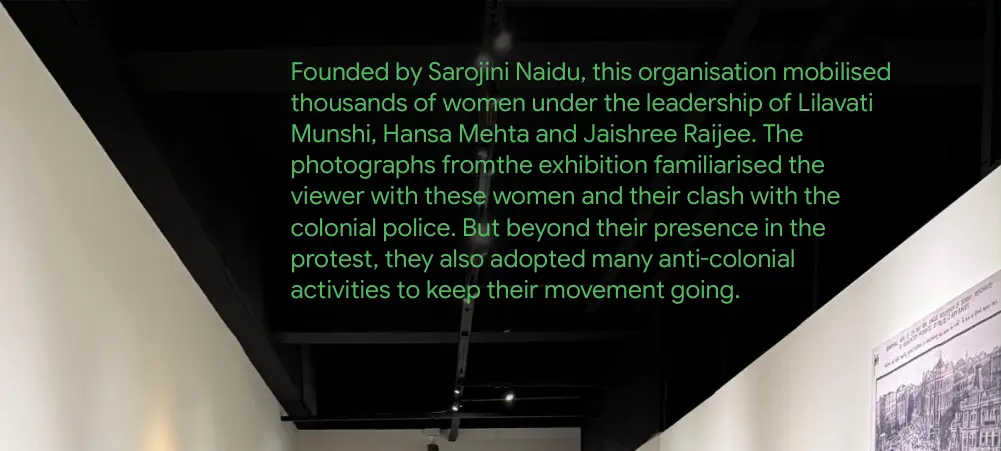
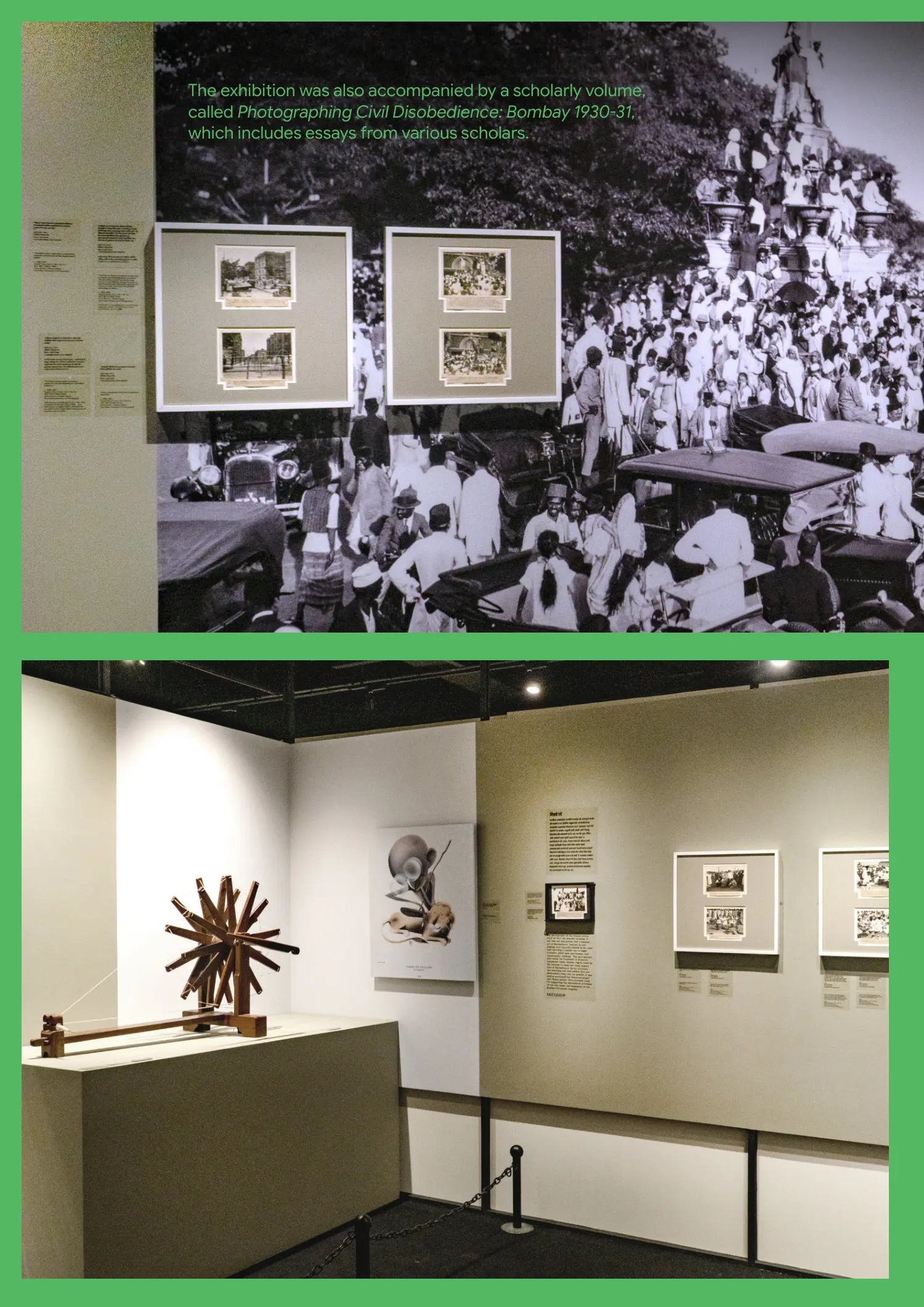
The exhibition was also accompanied by a scholarly volume, called Photographing Civil Disobedience: Bombay 1930-31, which includes essays from various scholars.
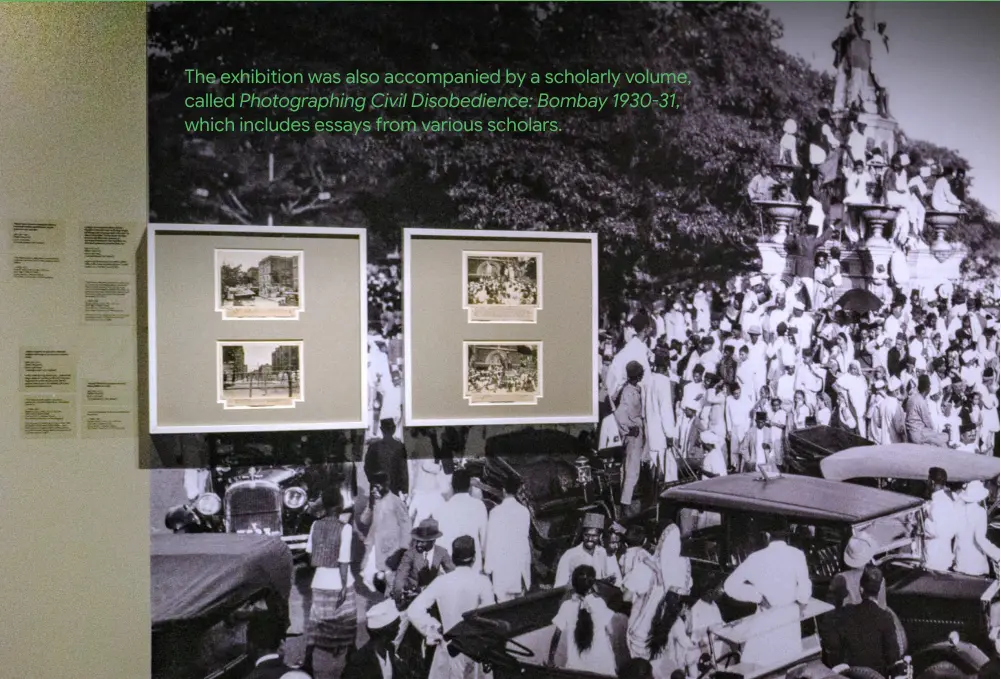
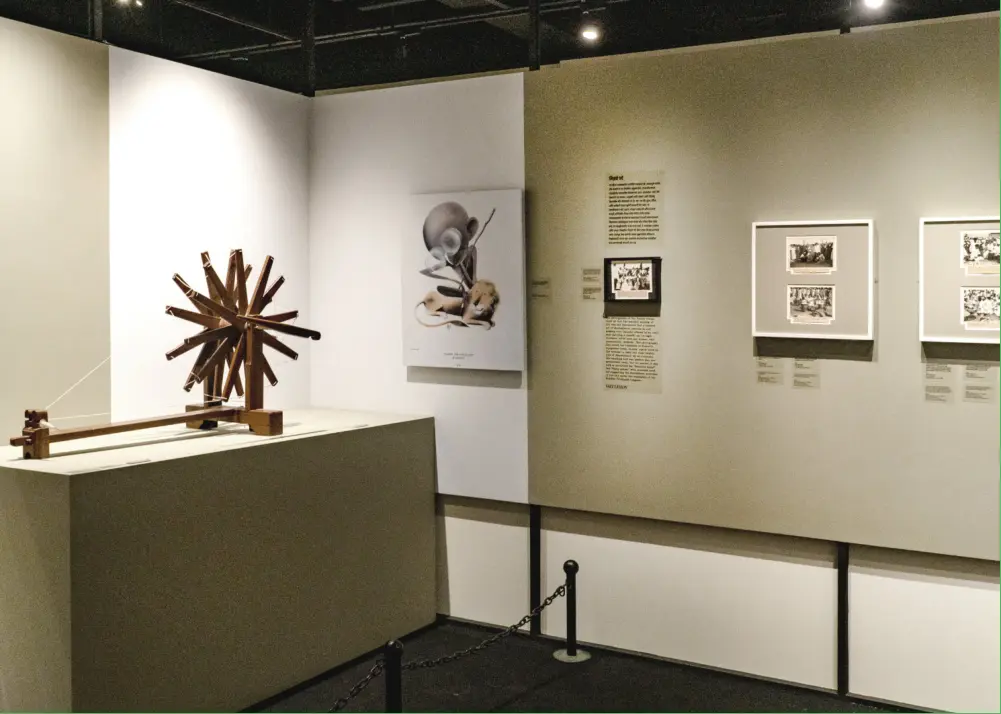
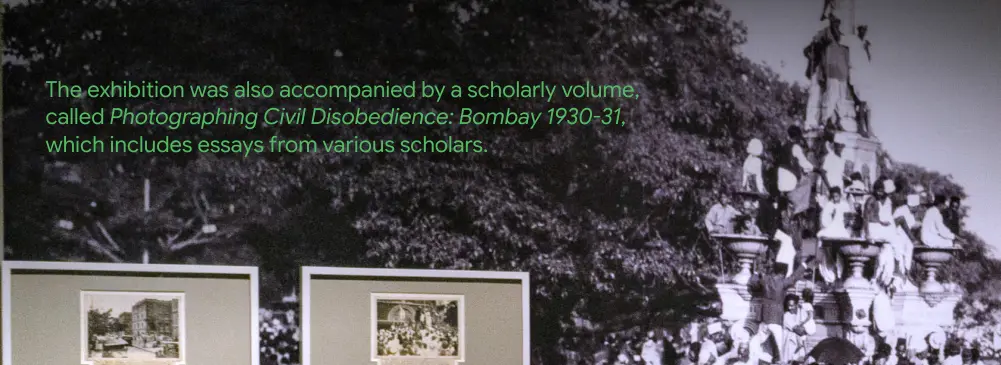
These essays engage with the visual culture of the first half of the 20th century which shaped the nation and contributed to its independence.
Along with the volume of essays, this exhibition brought back the memories of a very important time in history through the photographs of the K. L. Nursey Album.
View original pages, photographs & credits
Originally published in Museum Mosaic 2025, published May 2026.
Part of our annual review. Descriptions reflect the publication’s reporting period.