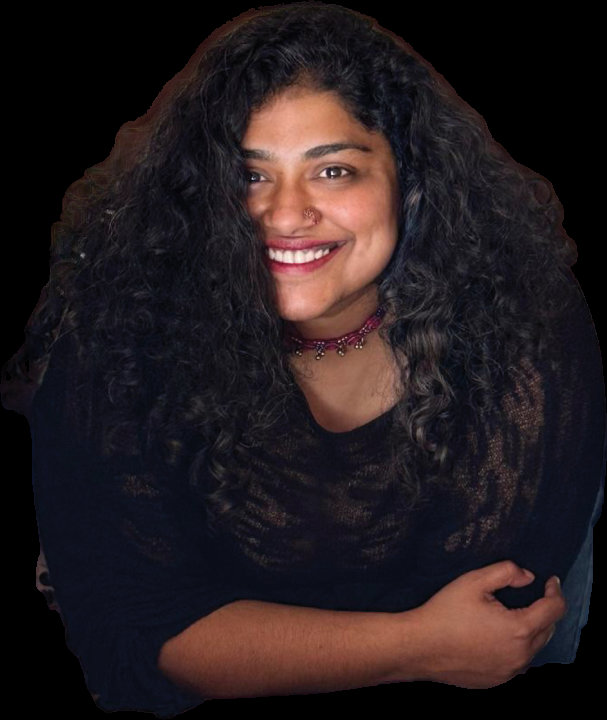
Sara Ahmed
Founder & Lead Curator The Living Waters Museum

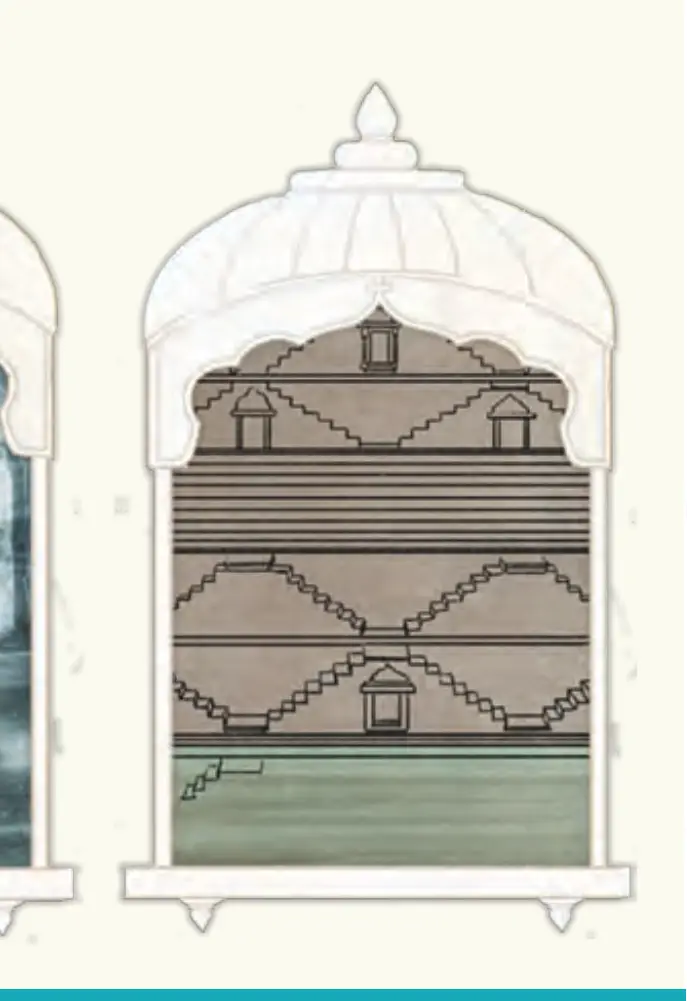
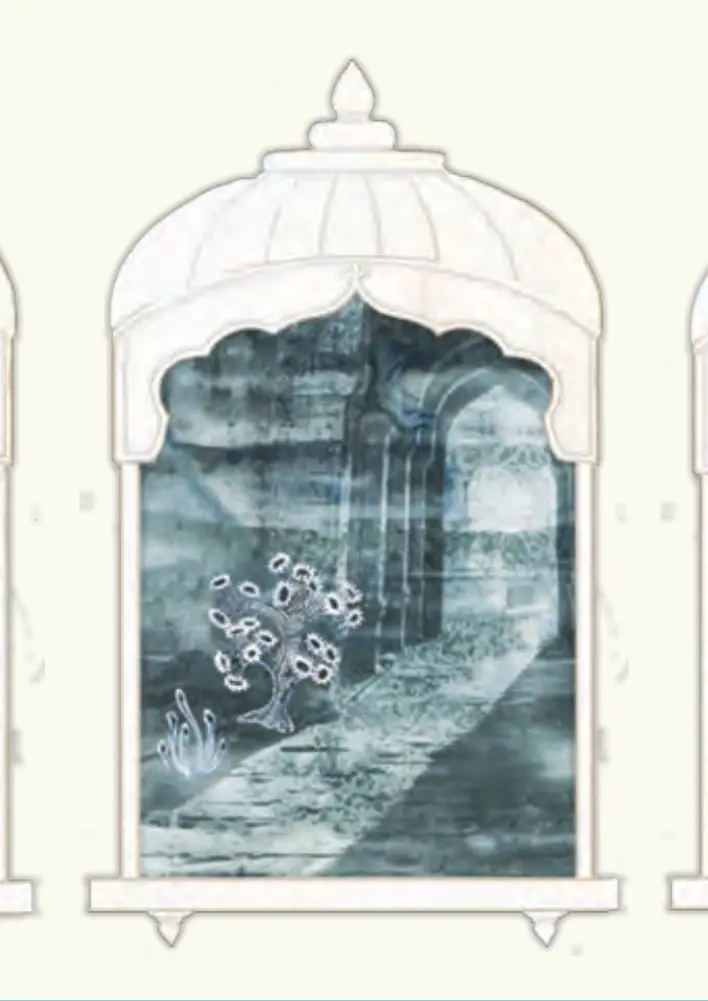
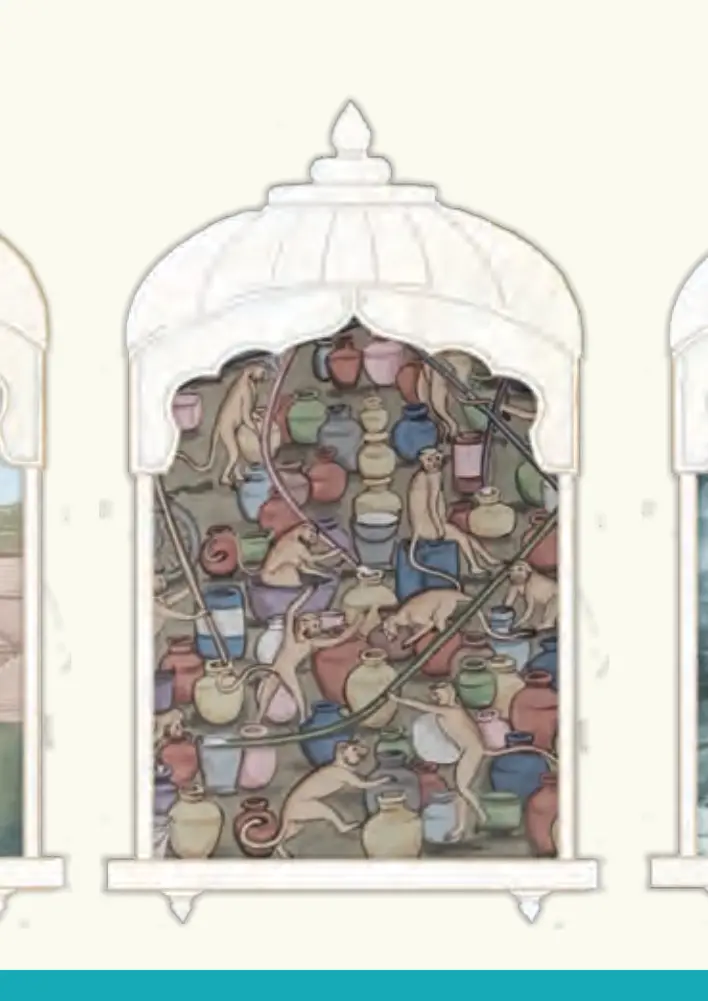
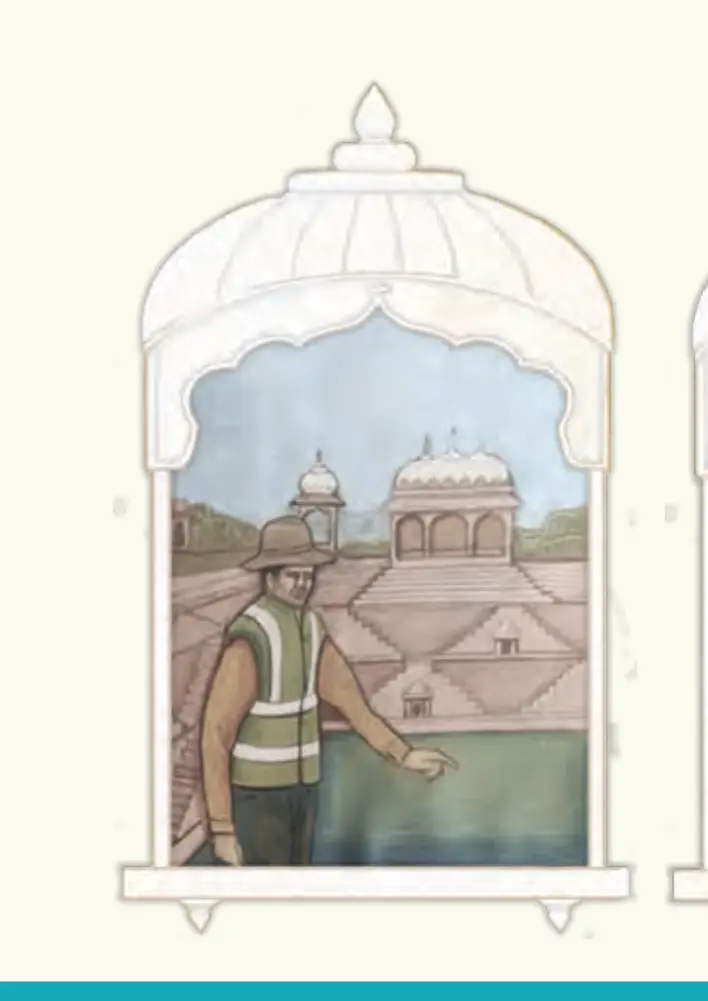
Conventional museums have long served as windows into our past, meticulously preserving artifacts that weave stories of culture, community, and human achievement. However, for many of us, museums conjure up images of dusty spaces, stuffed with old relics, poorly curated exhibitions and often, limited funds for maintenance. Today, in an age when water security and climate risks loom larger than ever and marginalized communities often find themselves relegated to the periphery, the role of the museum is evolving. Launched in 2017 as a digital repository archiving our water heritage (built, intangible and natural) the Living Waters Museum (LWM), is now a hybrid museum engaging with local communities through place-based approaches rooted in the arts, storytelling, multi-media strategies and transdisciplinary knowledge production. We are a member of the Global Network of Water Museums, launched in Venice in 2017 and endorsed a year later, by UNESCO’s Intergovernmental Hydrology Programme as a special initiative towards SDG 6 on access to clean water and sanitation.
Museum experts increasingly talk about the “soft power” of museums: their ability to engage the audience as co-creators and re-invent or re-imagine our lived reality to create new opportunities or address complex societal problems, for example, fostering new water values through active citizenship (Ahmed 2025). The use of digital technologies to rediscover our fluid heritage through sensory experiences can not only tell a powerful story but engage citizens in new narratives that challenge our perceptions of museums (Kenderline, 2014). Additionally, academics and water professionals are looking at the creative arts as a means of offering “playful” solutions which can provide a powerful mechanism for social change, bringing science to people while acknowledging their water wisdom and agency (Moench, 2015).

LWM was initially based at the Centre for Heritage Management (CHM), Ahmedabad University (AU), where it engaged with graduate students on the city’s rich water heritage from stepwells to the Sabarmati River front development and water utensils at the Vishalla Museum-cum restaurant, which have shaped our relationship with water through the lens of gender and work /labour (Ahmed 2025). As an Adjunct Professor, Sara Ahmed, the founder of LWM, was involved in the development of the multi-disciplinary Water Studio, one of four studios under the unique Foundation Programme at AU. This direct link to curriculum development and teaching enabled LWM to talk about water values and ethics, providing a moral compass for young students, compelling them to re-think their water use and questioning water practices embedded in social relations of power and inequality.
The Covid lockdowns from early 2020, made us realise the importance of being a digital museum – and trying to ‘do good’ by engaging with struggling citizens, especially our youth, online through a variety of approaches including, music (Paani ki Kahani) and the Water Seekers Fellowships with the Social and Political Research Foundation, New Delhi. The power of Zoom-based webinars helped us connect globally sharing ideas about rivers and waterways in distress, or meaningfully entertaining those stuck at home through Jal Kathas with the East India Dastangos, and music on climate activism across geographical boundaries with popular artists. But, most importantly, the pandemic compelled us to focus on public health issues, especially the ideas of hygiene and handwashing for people that had limited access to water and were stuck in cramped spaces or were walking across the country to reach home before being locked-in. Thus began our series of urban chapters, linking the history of water development to livelihoods, culture, climate risks and our living blue heritage through the arts.
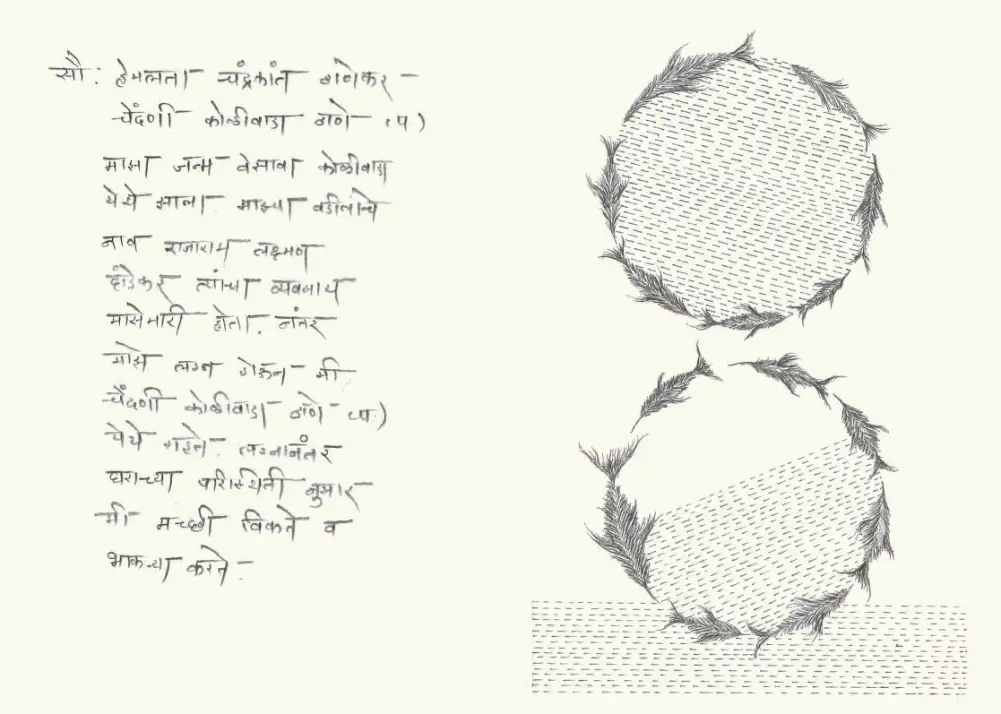
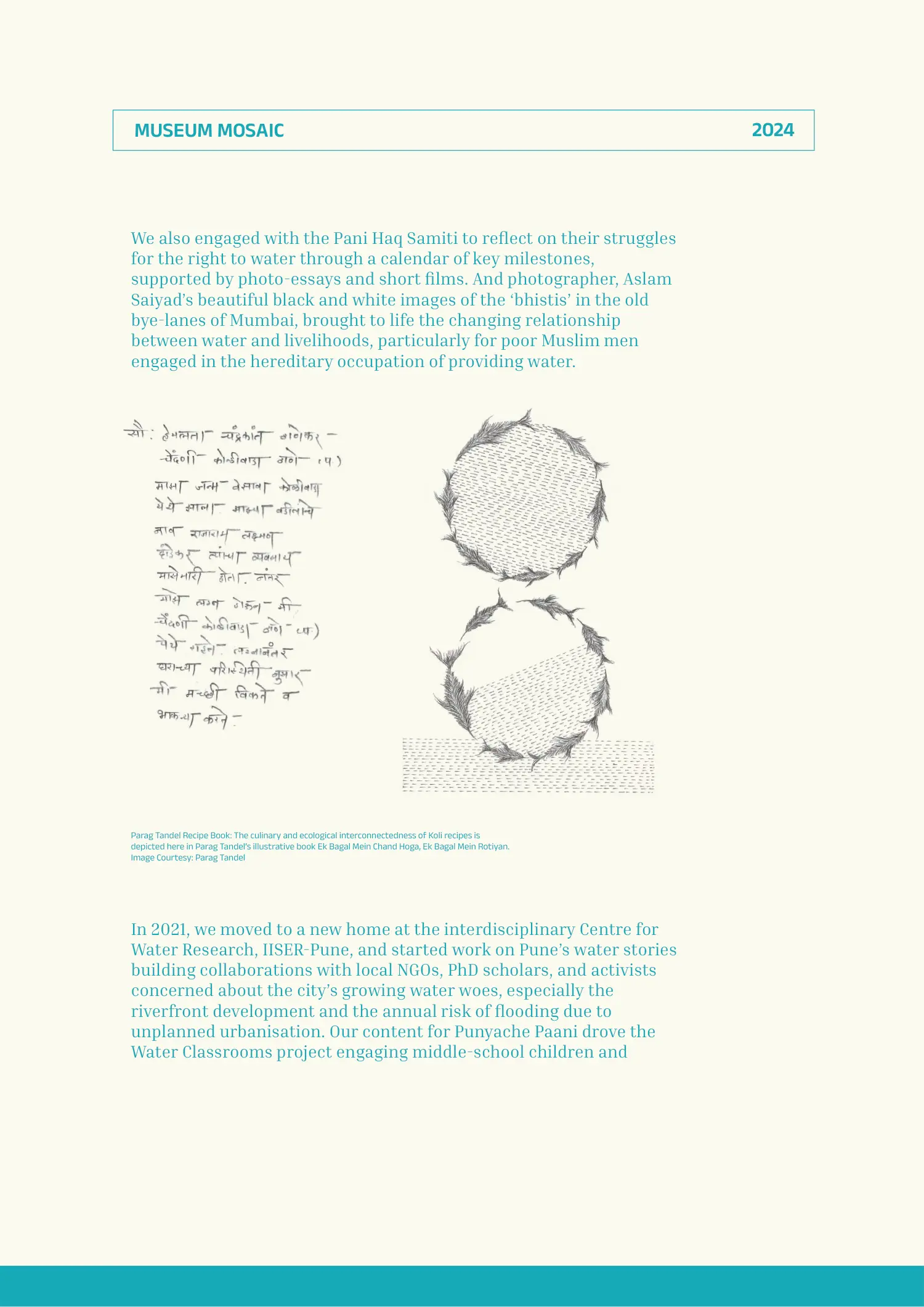
Launched in 2021, to commemorate one year of the lockdown, Confluence was our first digital exhibition, bringing together more than 30 professionals in Mumbai – architects, students, artists, social scientists and academics – to explore the city’s water from its amazing marine life to the dry fish recipes of the Koli community, through the eyes of Koli artist, Parag Tandel who is building a community archive, the Tandel Fund of Archives.
We also engaged with the Pani Haq Samiti to reflect on their struggles for the right to water through a calendar of key milestones, supported by photo-essays and short films. And photographer, Aslam Saiyad’s beautiful black and white images of the ‘bhistis’ in the old bye-lanes of Mumbai, brought to life the changing relationship between water and livelihoods, particularly for poor Muslim men engaged in the hereditary occupation of providing water.
Parag Tandel Recipe Book: The culinary and ecological interconnectedness of Koli recipes is depicted here in Parag Tandel’s illustrative book Ek Bagal Mein Chand Hoga, Ek Bagal Mein Rotiyan. Image Courtesy: Parag Tandel
In 2021, we moved to a new home at the interdisciplinary Centre for Water Research, IISER-Pune, and started work on Pune’s water stories building collaborations with local NGOs, PhD scholars, and activists concerned about the city’s growing water woes, especially the riverfront development and the annual risk of flooding due to unplanned urbanisation. Our content for Punyache Paani drove the Water Classrooms project engaging middle-school children and
educators in re-imagining their water from a systems approach drawing on principles of equity and sustainability to talk about privilege, discrimination, water pollution and climate change.
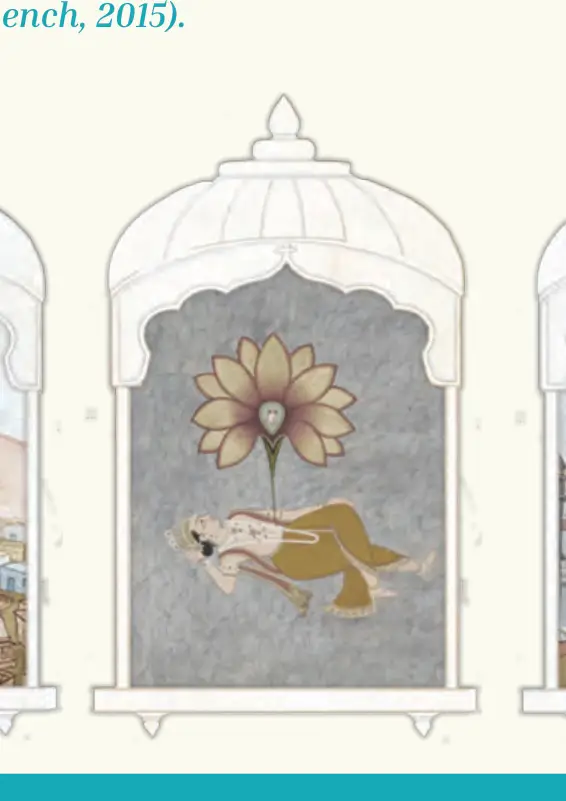
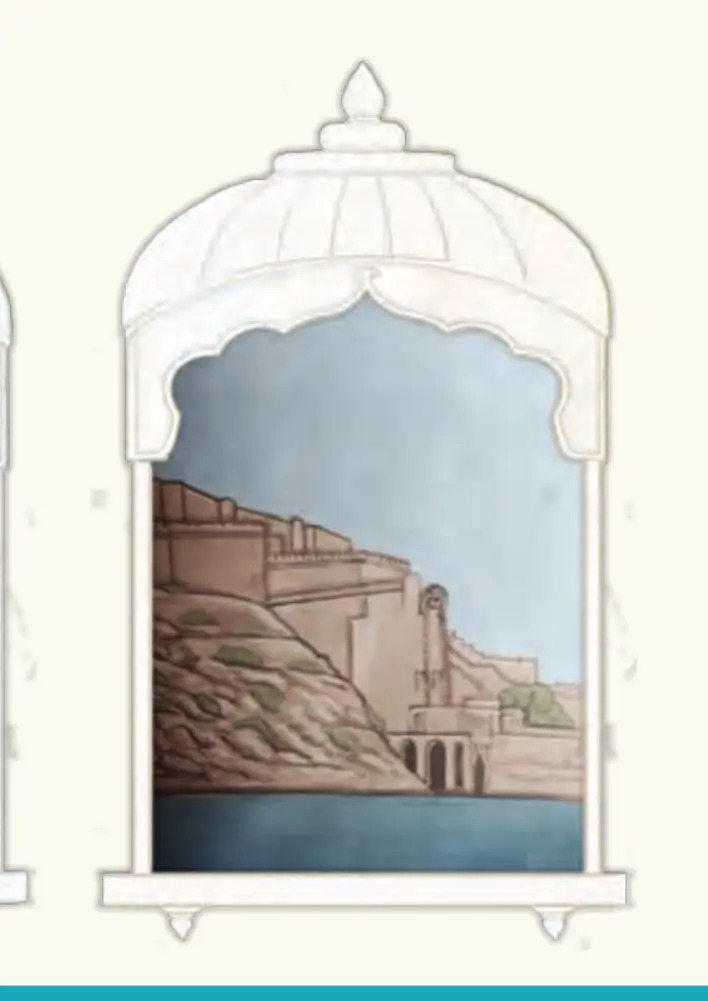
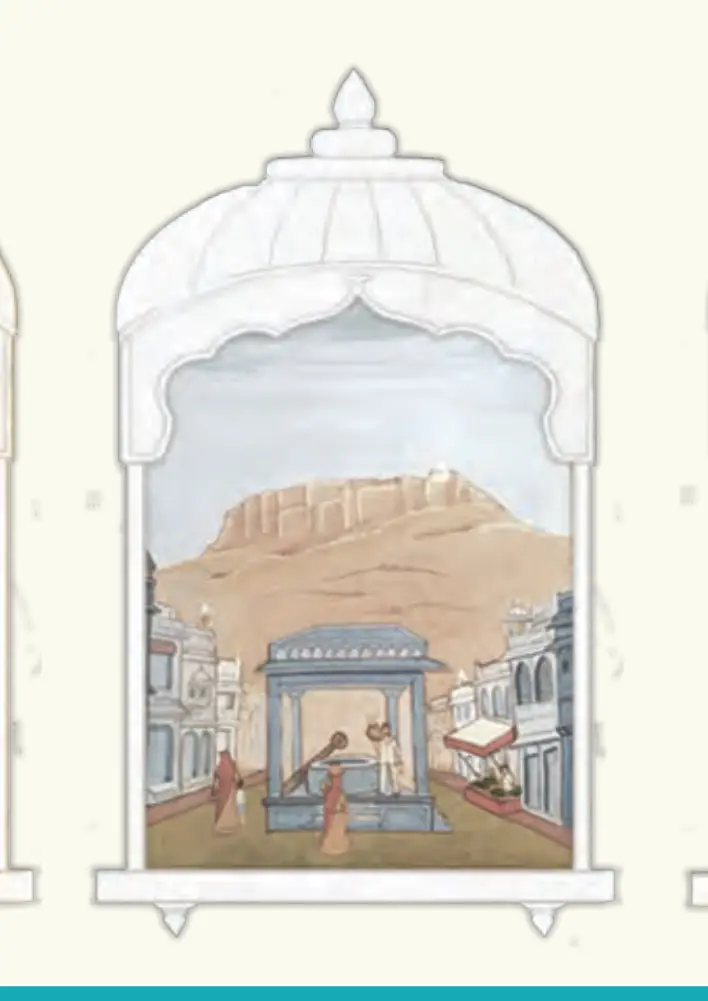
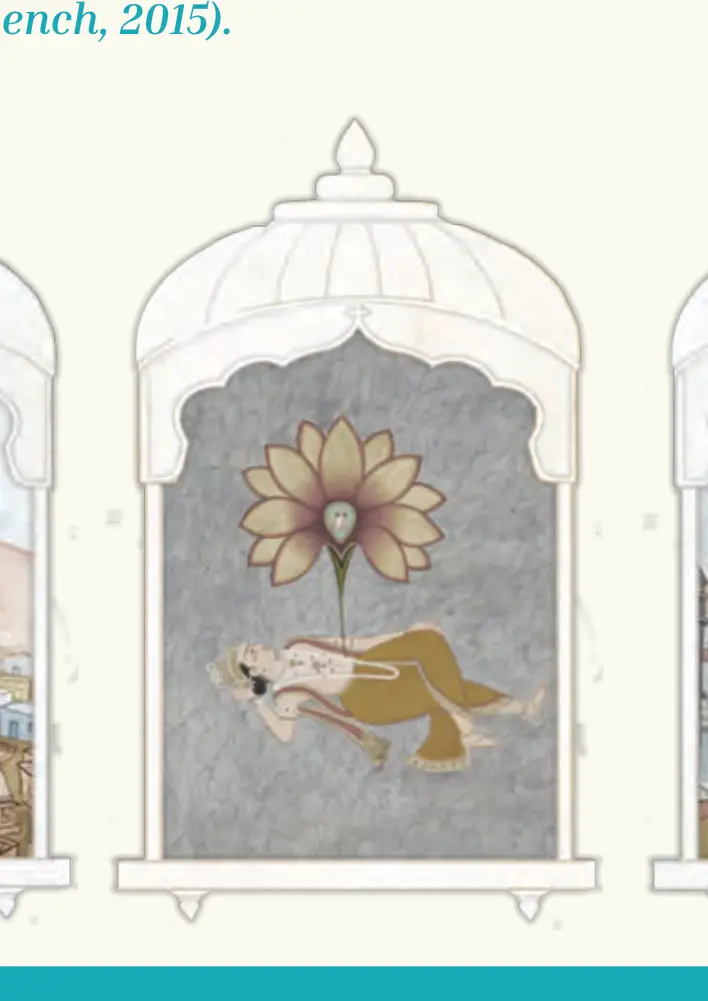
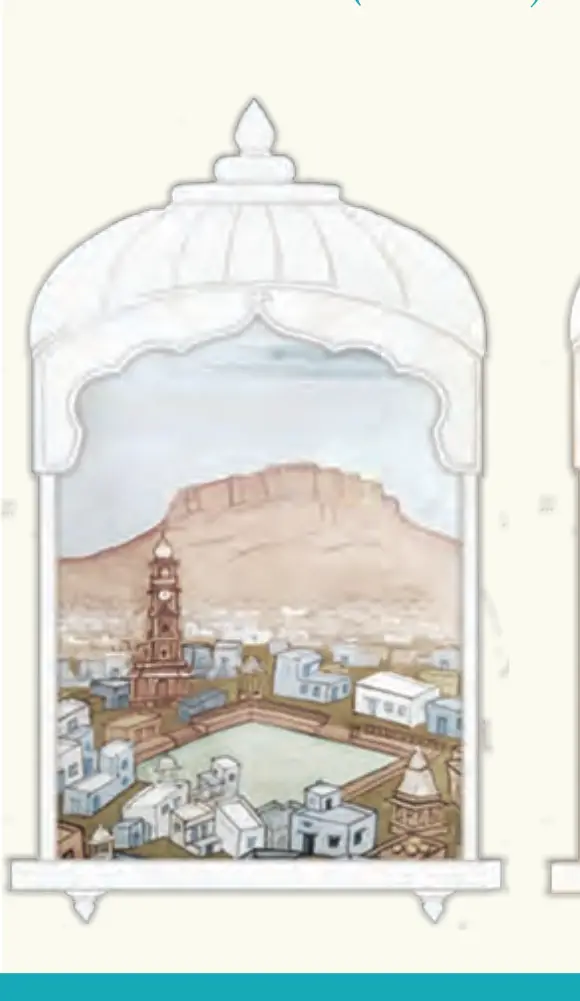
Our work with the Mehrangarh Museum Trust, Jodhpur, helped us bring alive the museum’s rich archive of water history and miniature art through the power of storytelling and music. Jal Jharokha provided a window into the city’s diverse, but fading, water heritage and efforts to maintain it through public-private partnerships and individual tenacity. Similarly, Kolkata’s water legacy from its colonial past to the East Kolkata wetlands and the ghats along the Hooghly riverfront were central to Jol Jyanto Kolkata. Kolkata’s digital exhibition helped us expand our partnership efforts in the city with the annual River Festival from which now has emerged a multi-partner initiative – River Ambassadors - to support the training of local people who earn a livelihood along the ghats, be they tea-shop owners, cycle repairmen or priests. As cultural ambassadors, this growing group of men and some women, are trained in life-saving skills as well as the local urban water heritage.
From Kolkata, our outreach efforts have expanded to the Sundarbans: initially a project on climate awareness and resilience building, supported by the US Consulate, Kolkata including a pilot on community-driven mangrove cultivation in Gosaba block and climate advocacy through the arts with school children in Kolkata (Project Climate Wall). And currently, we are co-leading a global project, Aquamuse for short, on decolonising museum making practices through the arts, digital media and education with multiple partners in three river basins: the Blue Nile, flowing through Egypt, Ethiopia and Sudan, the Volta River in Burkina Faso and the Ganges / Sundarbans in Bengal.
While the idea of decolonising museums has grown in momentum, for us it is not an end in itself, but a multifaceted process, building more inclusive, diverse and empowering narratives within and beyond museum spaces. Our latest digital chapter on Goa’s Water Stories, dives deep into ecological and indigenous knowledge systems, rivers, water bodies and rituals, the interface of land and water in the khazans, and much more, engaging with local communities and livelihoods through participatory research and the arts.
Although development practice is beginning to recognize the importance of “new” ways of encountering and experiencing “development” (Lewis, Rodgers & Woolcock, 2022) beyond academic papers and evidence-based policy briefs, art alone cannot change the world. As we initiate new chapters in diverse agro-ecologies, we are designing small fellowship grants with local institutional partners to mentor youth, especially those from marginalized communities, to document and visualize their own water stories within the larger framework of water, social equity and sustainability. We recognize that stories can be retold in many formats including music, songs, performance and art, and we respect the many inter-generational, multi-lingual and cultural traditions of storytelling we share. Moving forward, we envisage the Living Waters Museum as a “hub” around which we can develop a network of contextual and locally embedded water museums, physical or digital chapters, which will use the power of knowledge generation and communication to advocate for water justice through education, public outreach and new creative learning alliances across geographic borders and disciplinary boundaries (Ahmed 2025).
Acknowledgements: This article would not have been possible without the help and support of many people who have worked with the Living Waters Museum over the years. I would like to especially thank Uttara Valluri, Sukrit Sen, Chhavi Mathur, Wency Mendes, Bhargav Padhiyar and Ipshita Karmakar for all their contributions.
View original pages, photographs & credits
Originally published in Museum Mosaic 2024, published May 2025.
Part of our annual review. Descriptions reflect the publication’s reporting period.