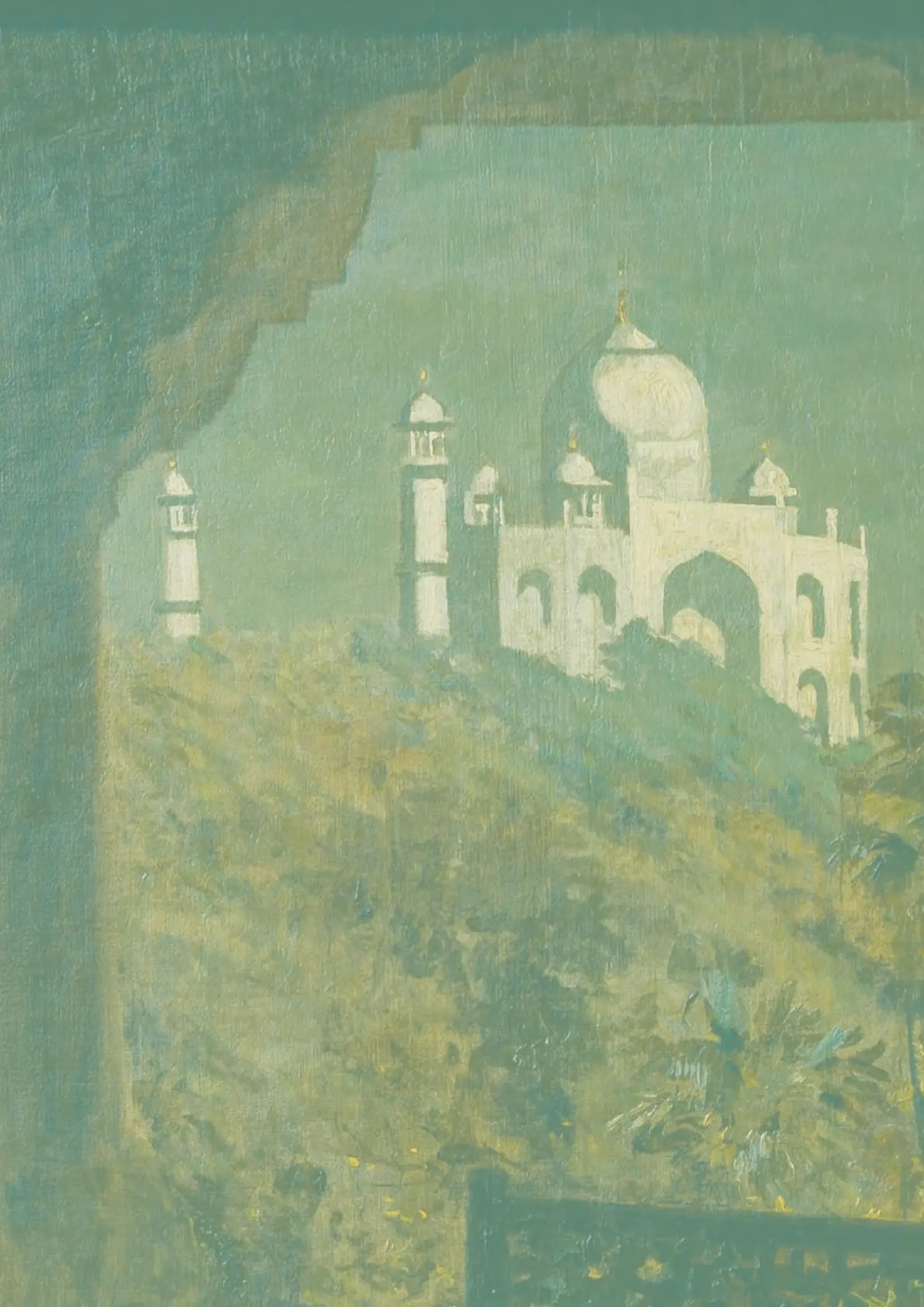
DESTINATION INDIA: FOREIGN ARTISTS IN INDIA 1857-1947
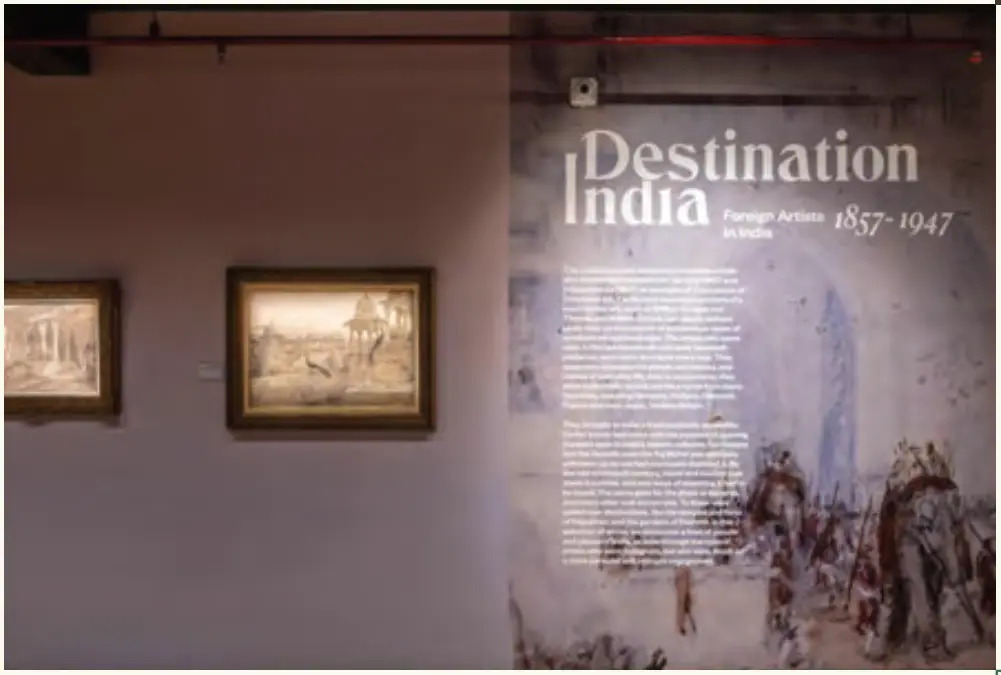
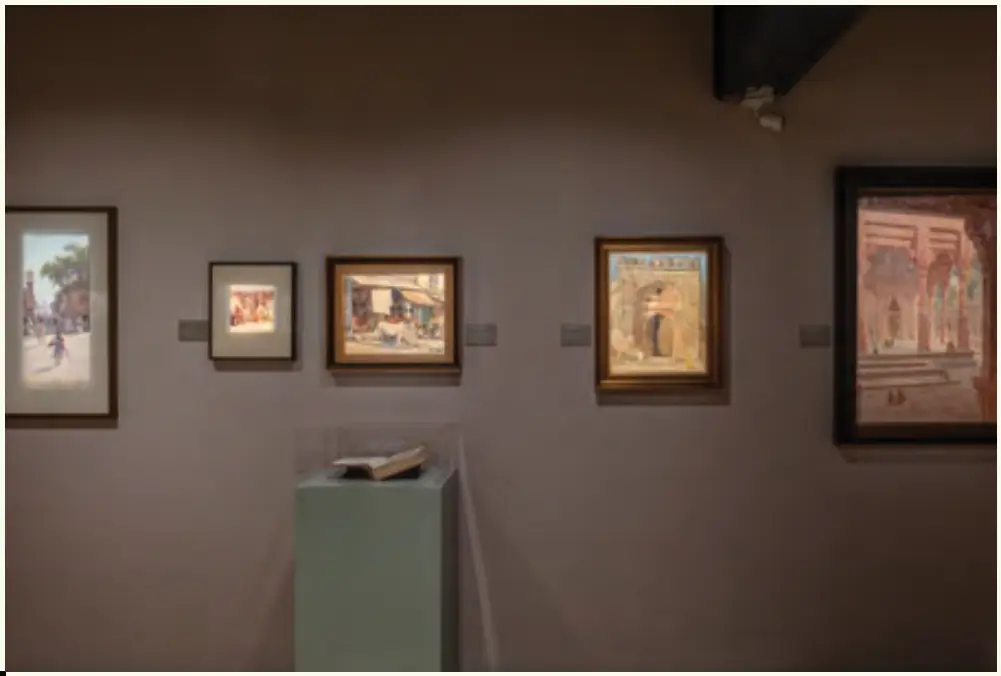
Destination India, Foreign Artists in India 1857-1947 held in Delhi Art Gallery (DAG), brought together artworks of around 40 Western artists who had come to India and documented life in the colony from 1857 to 1947. Instead of focusing on the Company paintings from the preceding centuries, the exhibition
documentation of the social life and people of India, the monuments and
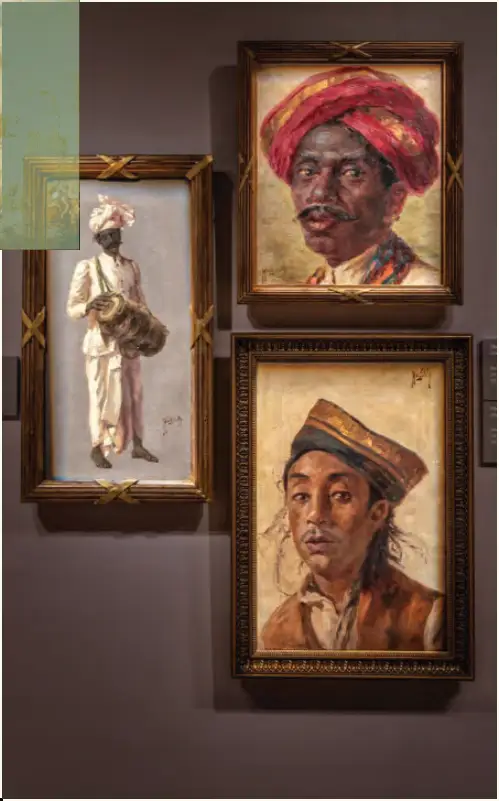
1857 and the British Crown taking over the reins of the Indian colony, Western artists were freer to visit India and document the lesser known towns of Udaipur, Lucknow, Delhi and Kanpur, not just in its architectural rigidity but in its personal depiction of people and everyday life.
Curated by Gilles Tillotson, the exhibition was thematically and chronologically
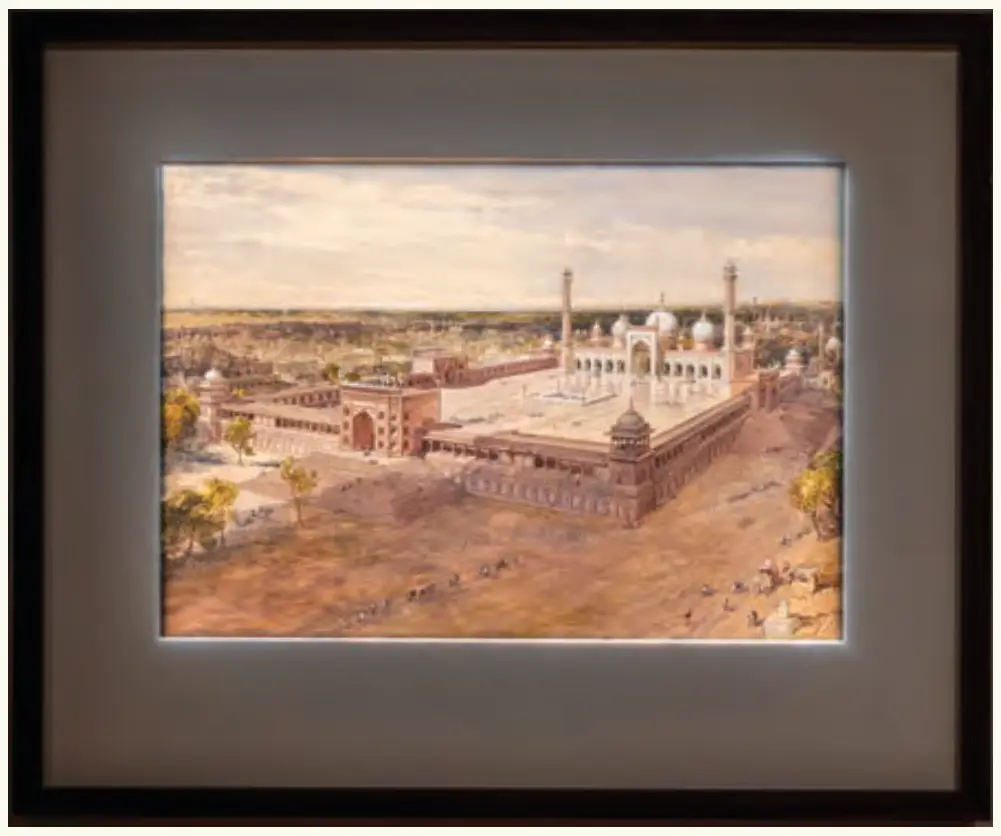
and depiction. Destination India, instead of shying away from complexities, embraced the nuances of it. Paintings of artists like William Simpson and
and the observed. Indian people, when included, were frequently rendered as
by the political violence and social upheaval occurring around them. At the same time, as if in contrast, the exhibition also featured the works of Japanese artists like Yoshida Hiroshi’ woodblock prints, presenting a more respectful visual
William Carpenter’s paintings engaged with the bustling streets of Indian towns
19th and 20th centuries.
These artists, hailing from Britain, France, Germany, America and Japan, were drawn to an understanding of the colony through an ethnographic
Victorian sensibility and the fascination with the ‘Orient’ prevalent during that
ways of seeing in a period of social and political transformation.
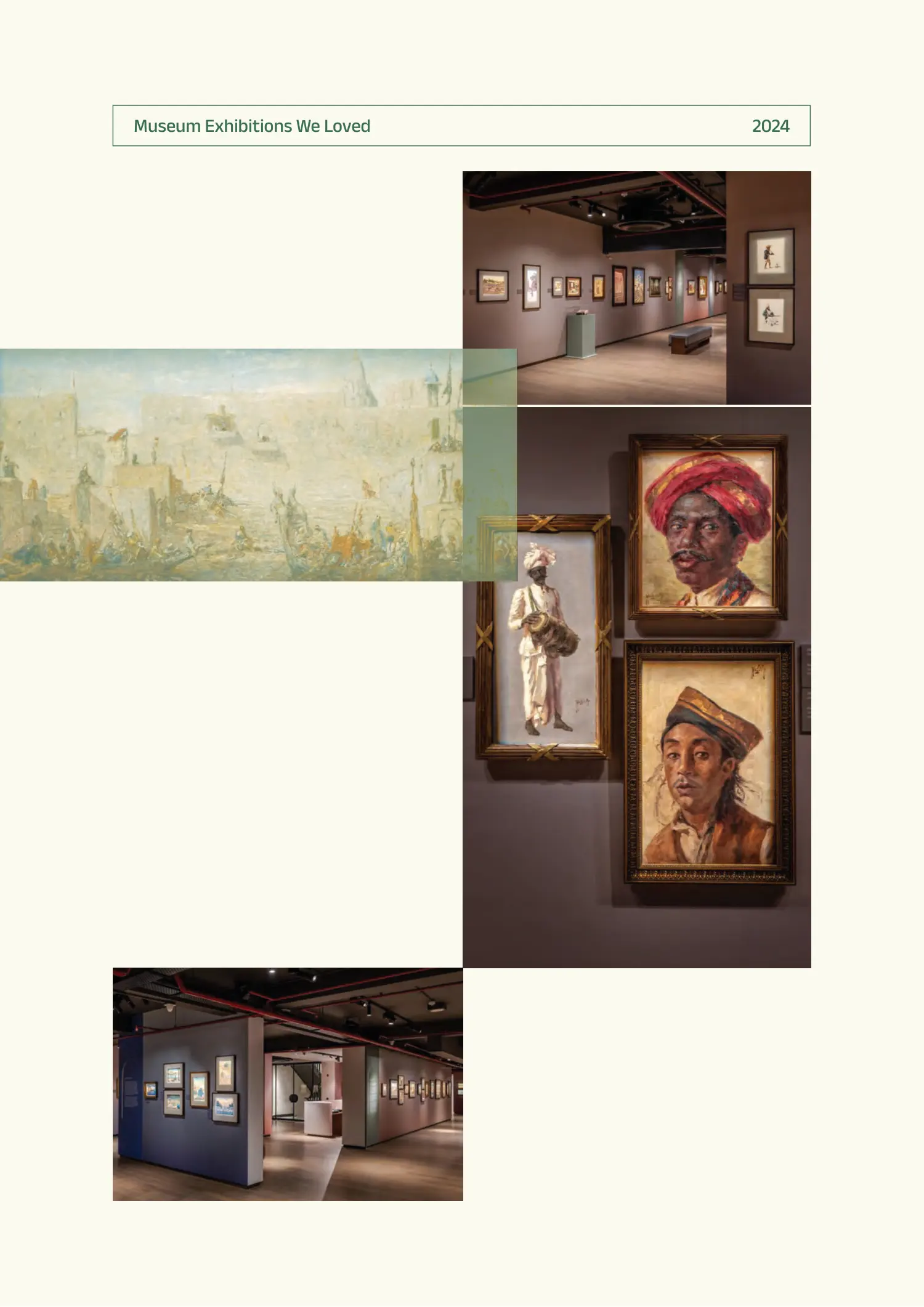
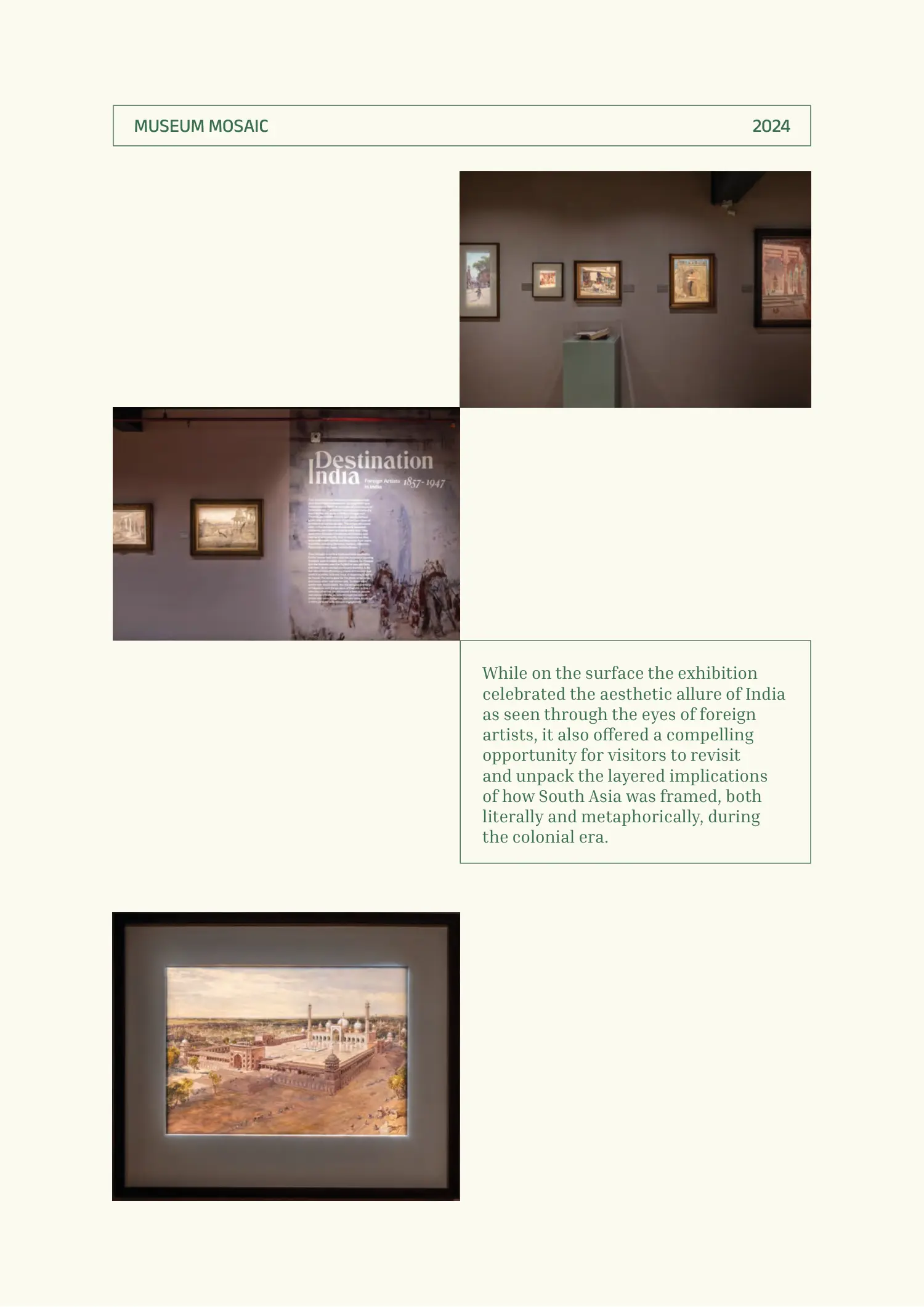
While on the surface the exhibition celebrated the aesthetic allure of India as seen through the eyes of foreign
opportunity for visitors to revisit and unpack the layered implications of how South Asia was framed, both literally and metaphorically, during the colonial era.
View original pages, photographs & credits
Originally published in Museum Mosaic 2024, published May 2025.
Part of our annual review. Descriptions reflect the publication’s reporting period.