A couple of years ago, I was meeting several angel investors and venture capitalists to seek funding for the cultural startup I co-founded, ‘Cultre’ and showing them our projections for the future, as one does in the usual entrepreneur-VC dance called startup ecosystem. A very seasoned and wise gentleman asked me, “You have degrees from IIM and NIT and seem like a bright girl...why would you waste your time in a venture which, even in your own projections, is likely going to make you less money than if you join an Amazon or a Microsoft, today?” I smiled and mumbled something about being on a path to finding happiness or some such cliche, trying to hide the genuine fear planted by two parents who were lifelong government employees. Today, as I interact with young professionals in the sector, struggling to find decent opportunities or working tirelessly for mere “culture/museum sector” salaries, I sometimes think about what it is that motivates us to choose this unconventional career path for ourselves and then really give it our everything when it doesn't seem to be giving back much.
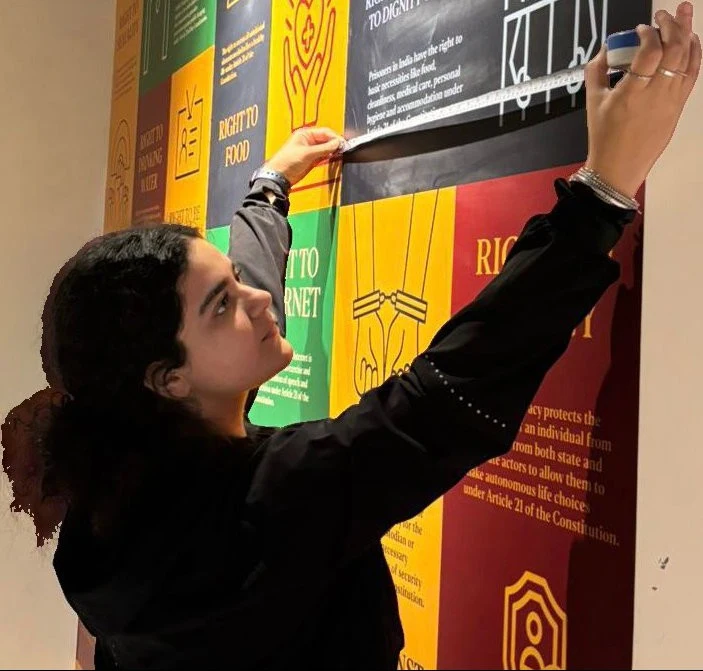
Now, as I sit down to reflect on the journey of building the Constitution Museum and the Rights and Freedoms Academy at the O. P. Jindal Global University in Sonipat in 170 days, from the first concept presentation made on the day I went to vote to the day of the launch of the museum on the 75th anniversary of the adoption of the Constitution of India, it is quite overwhelming to revisit. I also realise that it’s not just my story to tell but rather the story of many driven, exceptionally bright set of people who have chosen this very demanding, highly unpredictable but terribly exciting and fulfilling path for themselves. So in this “Behind-the-Scenes” narration of the creation of the Constitution Museum and the Rights and Freedoms Academy, I am accompanied by multiple voices who made the museum possible.
I was very clear from the beginning that the museum would be a space where the Constitution is presented in all its glory, not just to those in the legal community who interact with it regularly, but also to people like me, who probably haven't made enough of an effort to understand its significance in their lives- especially with respect to the rights and freedoms that they enjoy as citizens of India. Thankfully, Prof. C. Rajkumar, the Founding Vice Chancellor of the O. P. Jindal University not only agreed with this vision but also pushed us to create more and more avenues of engaging with various kinds of visitors in the limited ten thousand square feet space. Limitation of space also means making tough choices regarding content selection and the mode of presentation.
To quote Jahan Thakur, the Research Lead,
“Deciding which stories to tell and which themes to emphasise demanded thoughtful deliberation and, at times, difficult choices. We had to carefully select information that would remain relevant for years to come, ensuring the museum would resonate with audiences well into the future.”
This is actually more challenging than you’d think, especially for a bunch of nerds who happened to form my research team. As articulated by one of the researchers, Abhilash Chetia Wanniang,
“The most challenging part of the project was to navigate a path to communicate with the larger audience of the museum without compromising on the depth and nuance of the historical context. It required a delicate balance of simplifying complex legal and socio-political concepts while retaining their accuracy and significance for a broader public understanding.”
When it comes to the Constitution, its making, and its evolution over the 75 years, there is both a dearth of relevant data and an abundance of information. As Sindhuri Aparna, Senior Researcher, observed,
“The challenge was to break the monotony of the text with visuals. But good and relevant visuals are hard to find when it comes to constitutional history! We spent hours digging through archives, reaching out to institutions, and thinking laterally to visualise abstract ideas like federalism, dissent, or secularism.”
But, if the researchers were wrestling with words and meaning, the design team was battling with space and experience. As our Design Lead, Namrata Dhall eloquently puts it,
“It wasn’t just about putting information on walls; we were trying to reimagine how people could experience something as complex and text-heavy as a legal document...We didn’t want to create a space that felt dry or academic, we wanted visitors to connect with the Constitution in a way that felt personal and relevant.”
The result was 3 thematic galleries, 11 interactive installations, 29 artworks, 115 minutes of animated footage, 45 digital displays, 17 institutional collaborations and 41 artist collaborations. We made sure there was something for everyone in the museum - avenues for archival deep dive; an ever growing collection of in-depth interviews of constitutional experts; beautifully illustrated panels and animations explaining landmark cases, stories of makers of the Constitution, journey of the 75 years since the adoption of the Constitution; multimedia experiences like the AI photo booth, holographic display, projection-based immersive room, touchscreen timelines and interactive quizzes; interactive physical installations; concept based garden areas around the museum, and (my absolute favourite) artworks and installations by contemporary artists both outside and inside the museum.
In a project of this magnitude with imposing deadlines, it is imperative that you find the right partners and collaborators to execute your vision. As our Senior Project Manager, Aastha Soni notes,
“While we were able to eventually find the right partners, the journey of finding them was tumultuous, to say the least. A significant early setback was the time spent trying to align with individuals and organisations who could not keep pace with Cultre’s momentum and vision, or meet the high, uncompromising standards we had set for ourselves.”
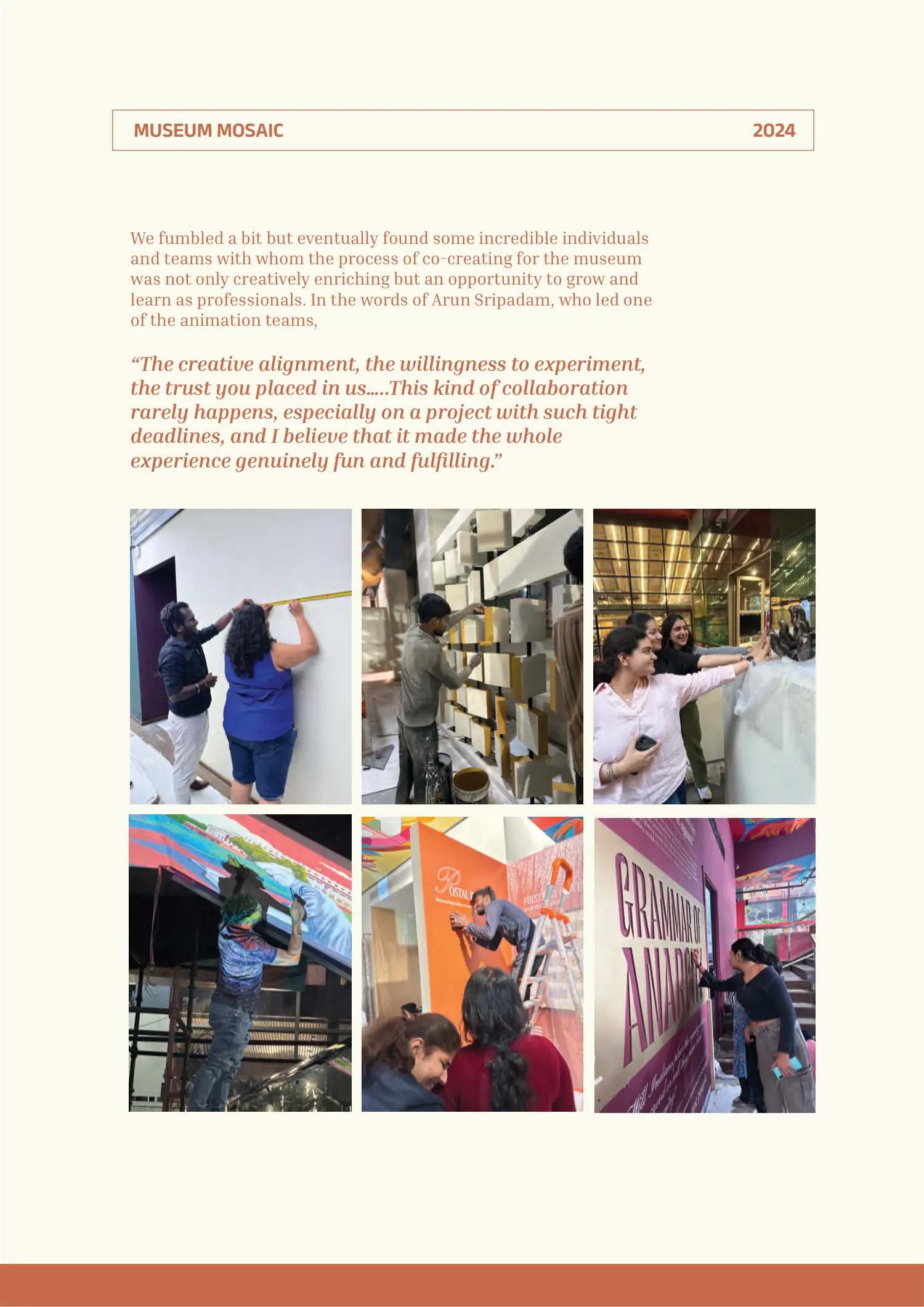
We fumbled a bit but eventually found some incredible individuals and teams with whom the process of co-creating for the museum was not only creatively enriching but an opportunity to grow and learn as professionals. In the words of Arun Sripadam, who led one of the animation teams,
“The creative alignment, the willingness to experiment, the trust you placed in us.....This kind of collaboration rarely happens, especially on a project with such tight deadlines, and I believe that it made the whole experience genuinely fun and fulfilling.”
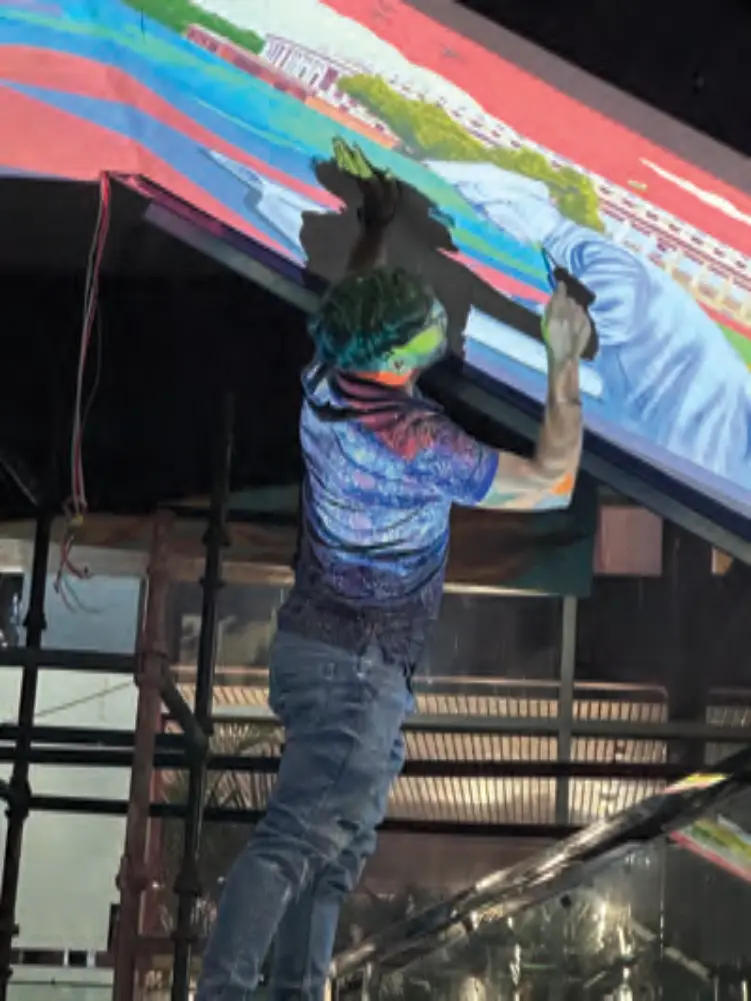
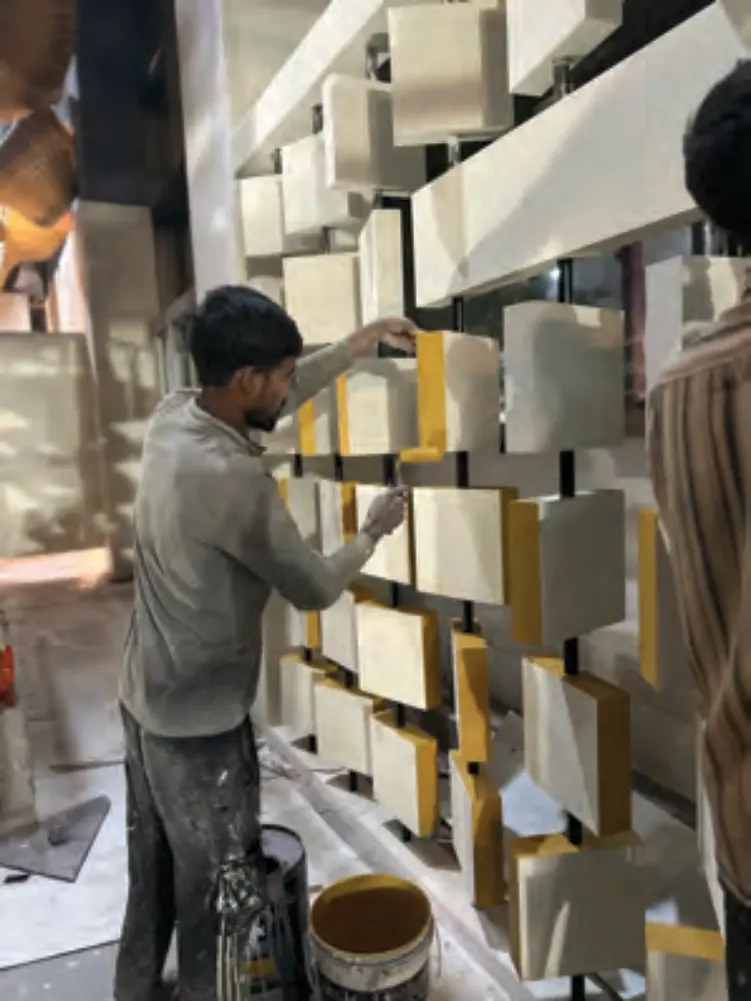
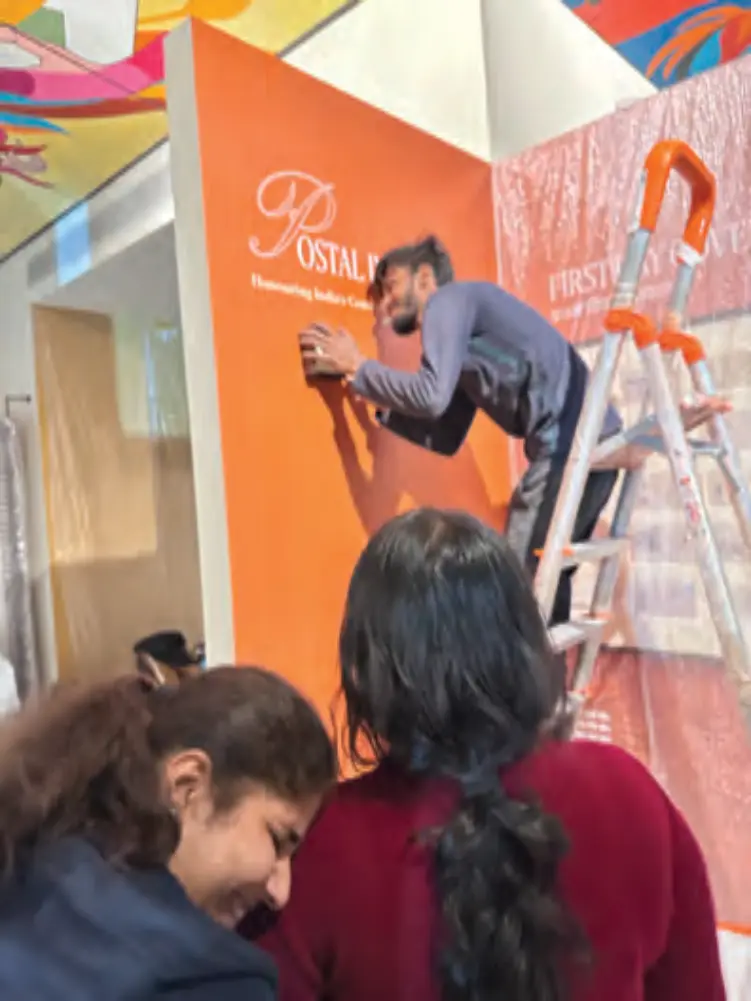
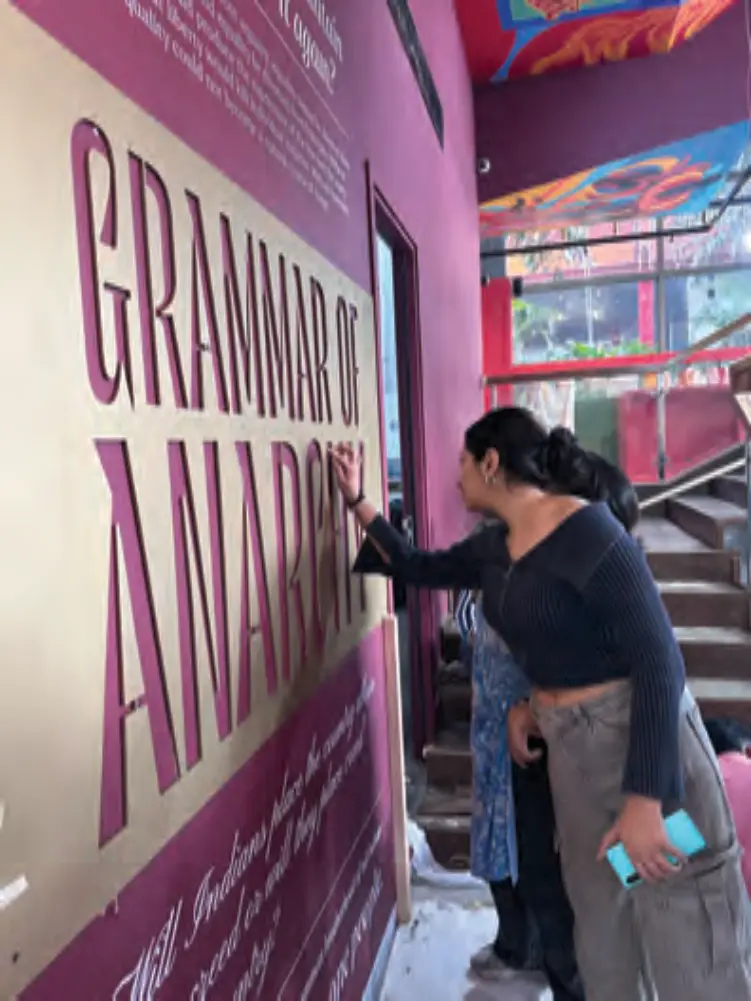
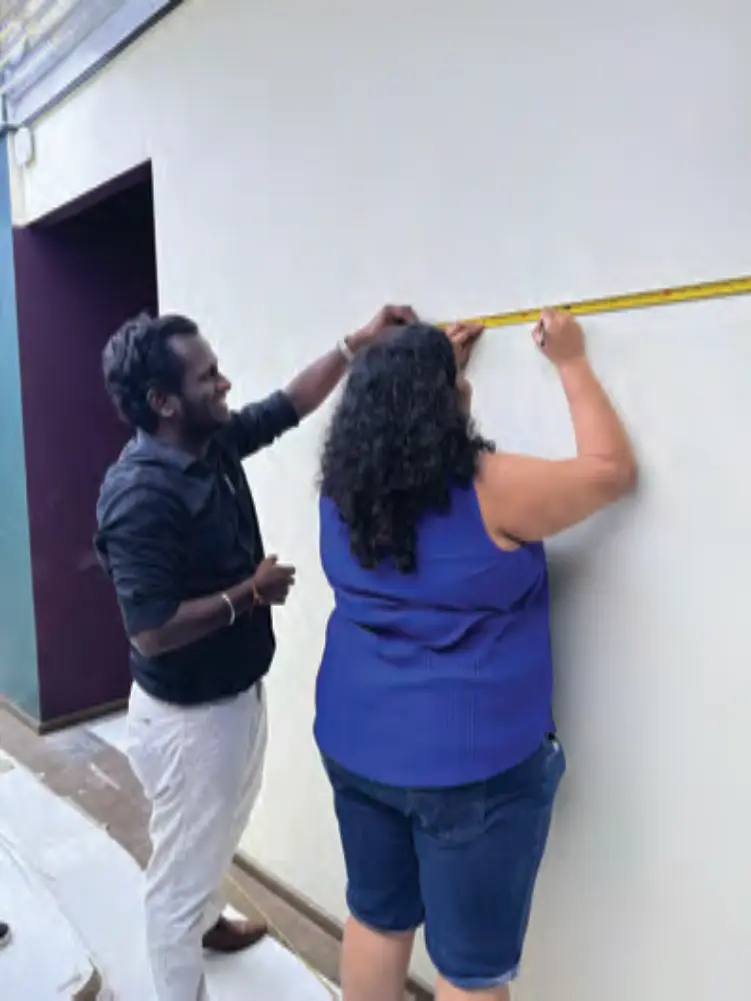
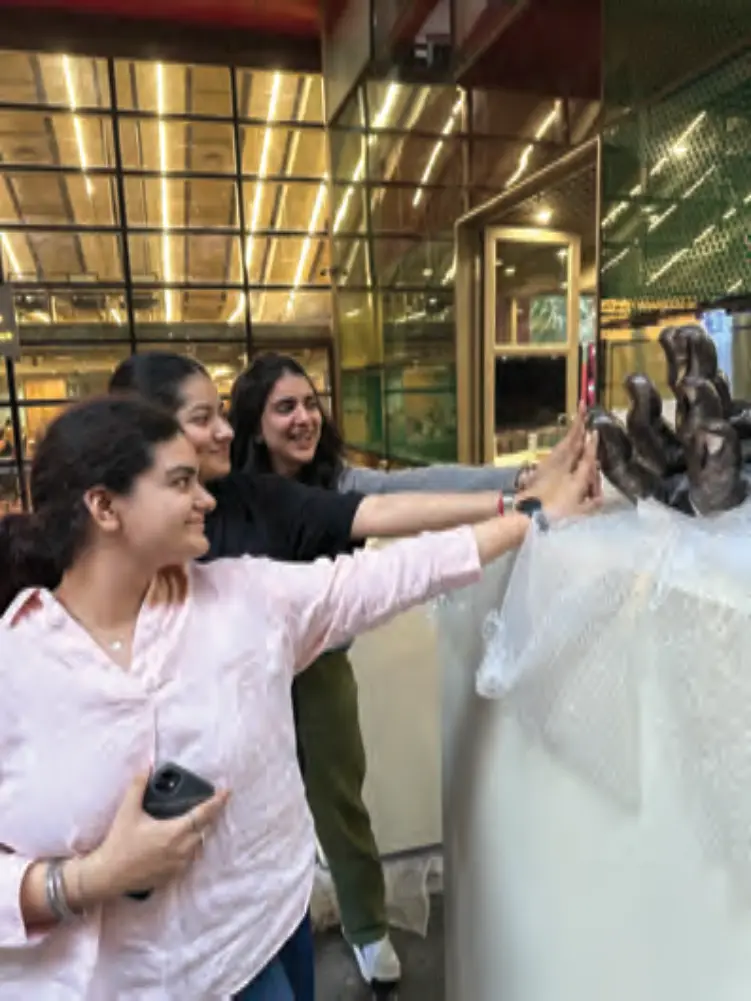
Something Sindhuri said somewhat succinctly described my own experience of the project as well — “coordinating across disciplines - law, history, design, technology - meant I was constantly translating between people who thought and worked very differently. It was like being a multi-lingual conductor for a very ambitious orchestra.”
As the curator and conceptual lead, I had to constantly shift gears: one moment diving into dense constitutional case law, the next reviewing storyboards for animated content, then debating lighting angles for an art installation or figuring out how to make a hologram feel meaningful and not gimmicky. Each team came with its own priorities, working rhythms, and internal logic, and my job was to align them without diluting their strengths. It required a strange blend of diplomacy, deep listening, obsessive attention to detail, and occasionally, brute-force decision-making. The real challenge wasn’t just managing the project, it was holding the vision steady while making sure no one felt like they had to compromise their craft to get there.
What a privilege it has been to have had the opportunity to make a museum on the foundational document of our democracy, the opportunity to visualise things and then see it come to life in a matter of months, the opportunity to lead and represent a tremendous team of creative individuals, the opportunity to present the world with a new body of art created by some of the best contemporary artists in India today, and finally the opportunity to make our constitutional heritage a little more accessible to the citizens of India, especially young Indians. And it is the possibilities of opportunities like these that makes you forget all the uncertainties that come along with a career in the domain of culture and heritage. In hope of more such opportunities....
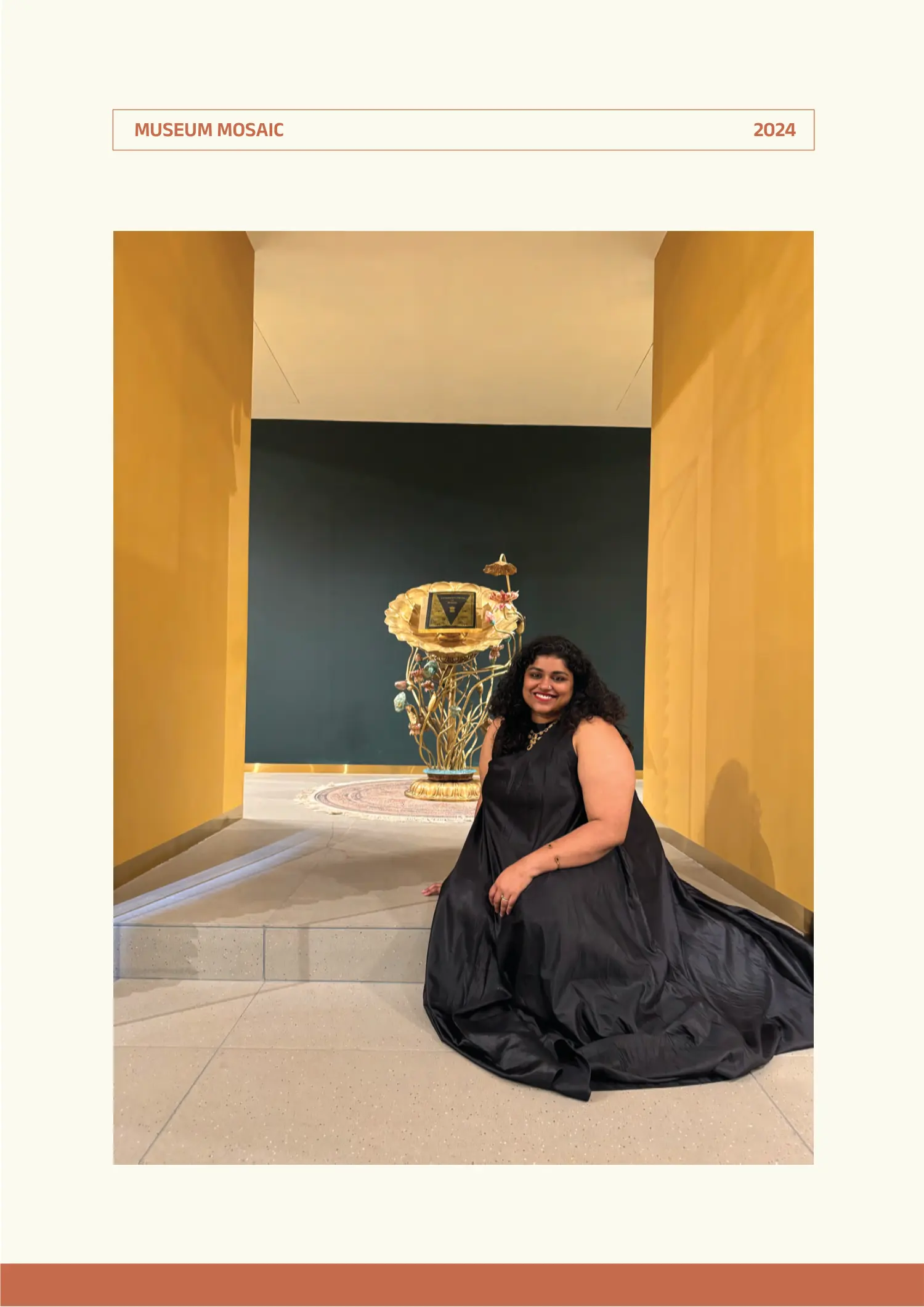
View original pages, photographs & credits
Originally published in Museum Mosaic 2024, published May 2025.
Part of our annual review. Descriptions reflect the publication’s reporting period.