Every time I walk through the old museums in cities, the silence is familiar, almost sacred. But I keep wondering—what if, along with the silent spaces, there were storytelling spaces as well? What if the bronze statue I passed by, leaned in and told me about the day it was forged? What if the murals unfurled like animated scrolls, telling me the epic in motion? What if, instead of tiptoeing through the past, “Do Not Touch” signs, I could interact, empathise, and maybe even challenge what I saw?
For me, if there’s a single word that truly defines what a museum should offer, it’s ‘experience’. Gone are the days when museums were just silent halls of glass cases and faded placards. In today’s digital world, most people don’t just want to see - they want to feel, live, and even interact. From immersive storytelling to virtual walk-throughs, the idea of a ‘museum experience’ is being redefined - designed to engage all senses and transport visitors to different times, places, or perspectives.
Conversations about digital experiences often begin and end with technology, overshadowing the vital role of artistic vision and storytelling in creating truly meaningful content. This tech-first approach is not new. The digital art and animation industry in India has long struggled with the same issue. For decades, the country has excelled in outsourced VFX and animation services, creating a vast workforce skilled in software, rendering, and production pipelines. However, original Indian storytelling has lagged. The focus on production over artistry meant that experimentation, creative risk-taking, and original thought - hallmarks of truly great content - were often sacrificed.
Creative success doesn’t stem solely from knowing the tools. You can own the best brush and canvas, but that won’t make you a painter. Likewise, access to cutting-edge technology doesn’t guarantee engaging museum experiences. What truly matters is how these tools come together to support a cohesive creative vision, where every visual, sound, and interaction is intentionally crafted to bring stories, ideas or concepts to life in a way that connects and lasts. What we need are filmmakers, writers, artists, motion designers, musicians - creative minds across disciplines who can collaborate with technologists to shape content that is as emotionally powerful as it is visually stunning.
India’s rich heritage - its mythology, classical arts, traditional crafts, music, textiles, and languages - offer a treasure trove of inspiration.
But creating immersive experiences from these traditions requires deep cultural sensitivity, aesthetic discernment, and creative excellence. Otherwise, it risks becoming a shallow imitation that misses the essence of the original.
Great digital experiences always begin with a thoughtful visual design. Every visual choice - design elements, colour palettes, textures, and motion design - must be intentional. Every frame should be treated like a painting, carefully composed to guide emotion and attention.
Creative use of audio design is another secret ingredient of immersion. A haunting voiceover, the echo of footsteps, a melody that rises with the narrative - these aren’t just background elements, they’re emotional cues. Soundscapes can make or break the mood. With the right visual and audio design, even a static digital story can breathe, ache, or thrill.
Also creativity should extend beyond storytelling into the very medium of presentation. How can we surprise, delight, and challenge visitors through unexpected interactions or spatial designs? The future of museums isn’t just about what we tell - it's how we craft the very space in which the story lives. To blend technology with soul. To surprise, delight, and awaken wonder where it’s least expected.
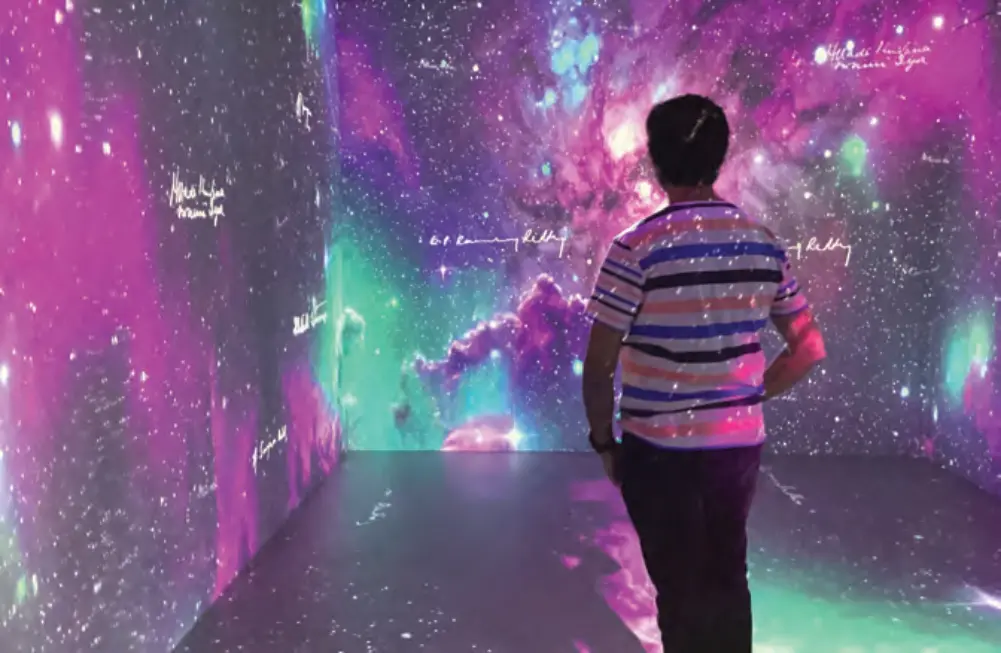
When used purposefully, blending art and technology can transform museums from static halls into cinematic journeys of sight, sound, and emotion. Some of the most promising trends in museum tech include:
AR and VR Experiences: Virtual reality can reconstruct lost monuments or recreate historical events, allowing visitors to “step into” the past. It can also be effectively used to transport visitors into imaginative or futuristic spaces.
Projection Mapping: Transforms walls, ceilings, and even floors into dynamic storytelling canvases.
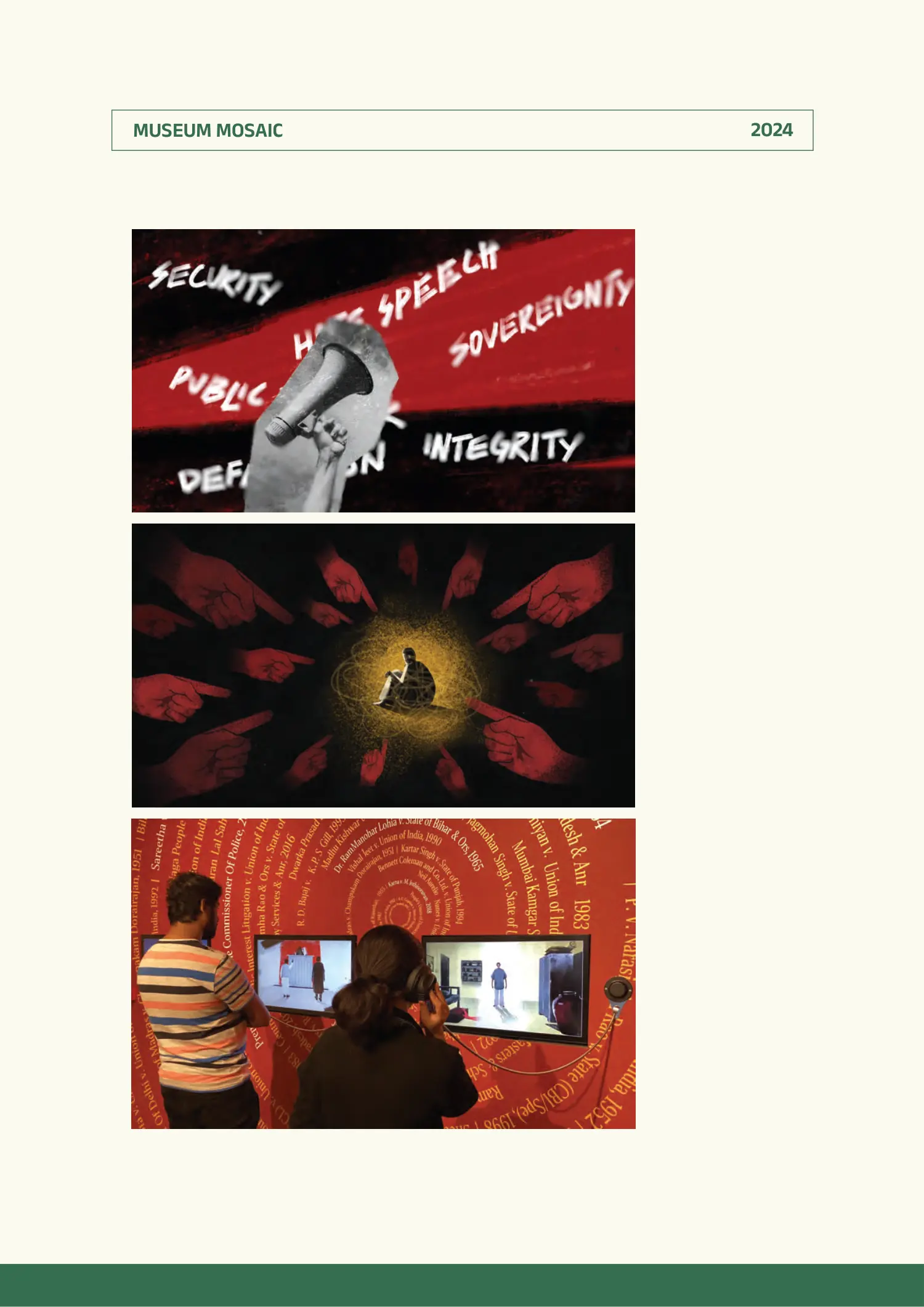
Interactive Storytelling: Touchscreens, gesture-based displays, or mobile-guided tours personalize the experience.
Immersive Rooms: Multi-sensory environments that fully envelop the viewer.
Gamified Experiences: Turning learning into play through quizzes, challenges, or narrative missions. Holographic Displays: Offering lifelike 3D projections of figures or artifacts.
AI Integration: Tailoring content based on visitor interest or behavior in real-time.
This isn’t just about making museums modern - it’s about rethinking what museums stand for. Digital content offers the advantage of being easily updated, keeping experiences fresh and encouraging repeat visits by giving audiences something new to discover each time. Museums can evolve into dynamic ecosystems that empower creativity, ignite curiosity, and foster connections across generations.
We must trust our curators, our technologists, and our artists to reimagine these spaces as incubators for new ideas, platforms for diverse stories, community spaces where the past meets the future and symbols of cultural reinvention. With a bold vision, India has the potential to become a global leader in cultural storytelling, setting new benchmarks for immersive and engaging museum experiences.
View original pages, photographs & credits
Originally published in Museum Mosaic 2024, published May 2025.
Part of our annual review. Descriptions reflect the publication’s reporting period.