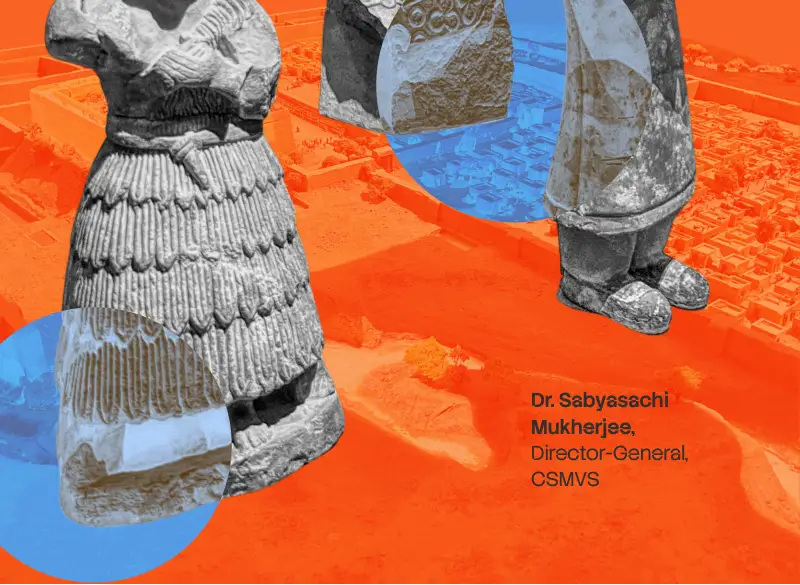
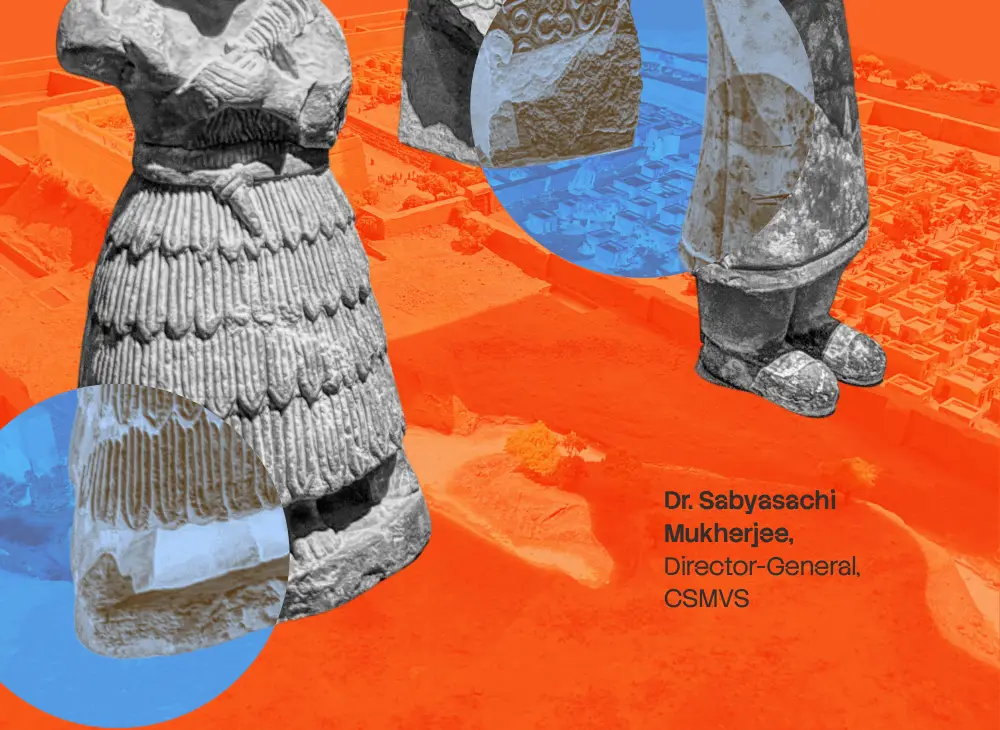
Dr. Sabyasachi Mukherjee, Director-General, CSMVS
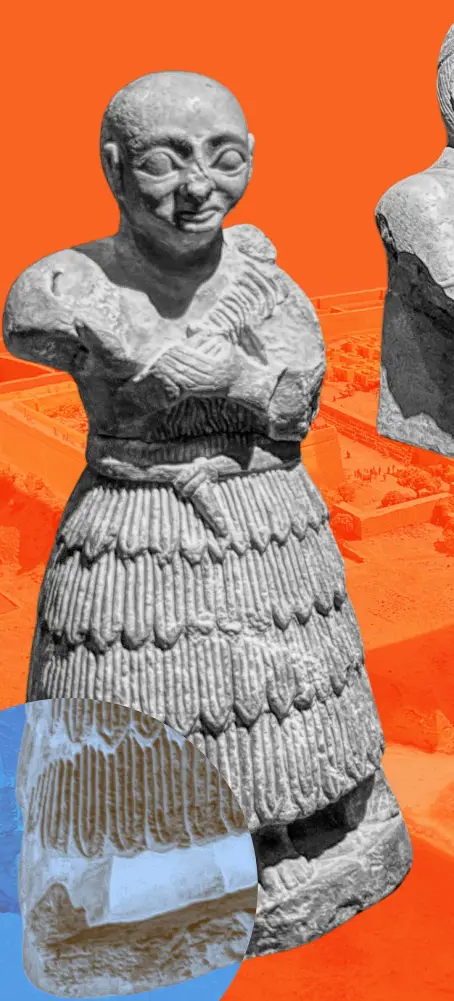
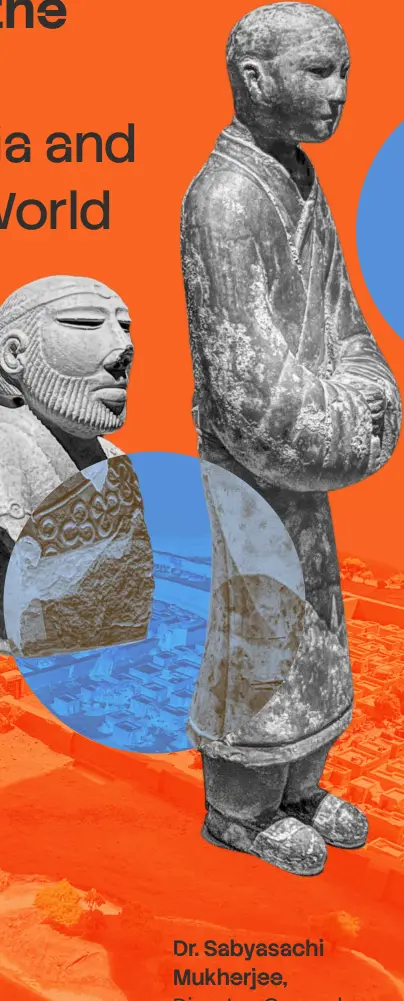
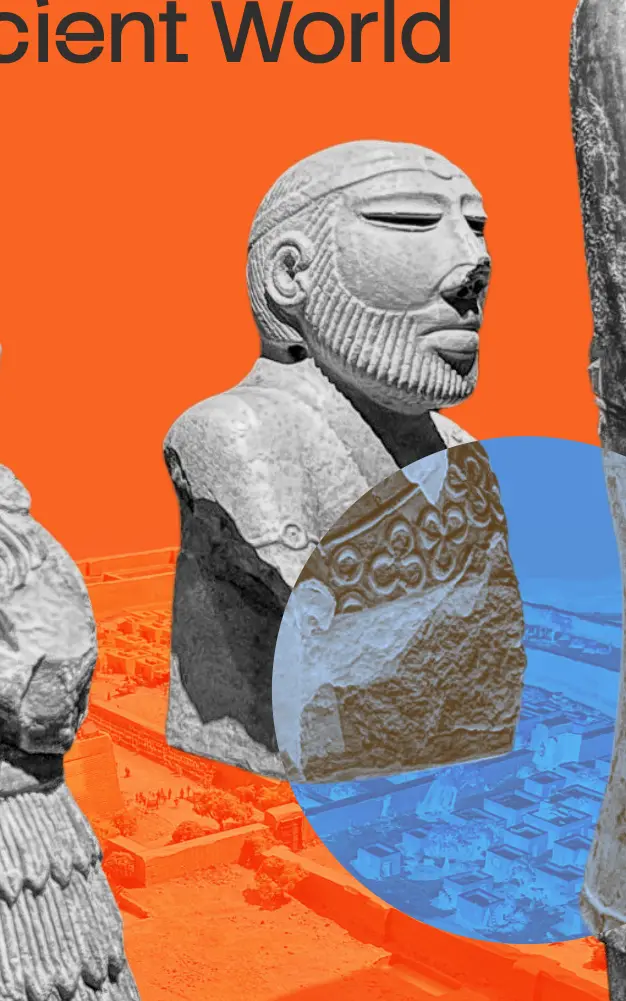
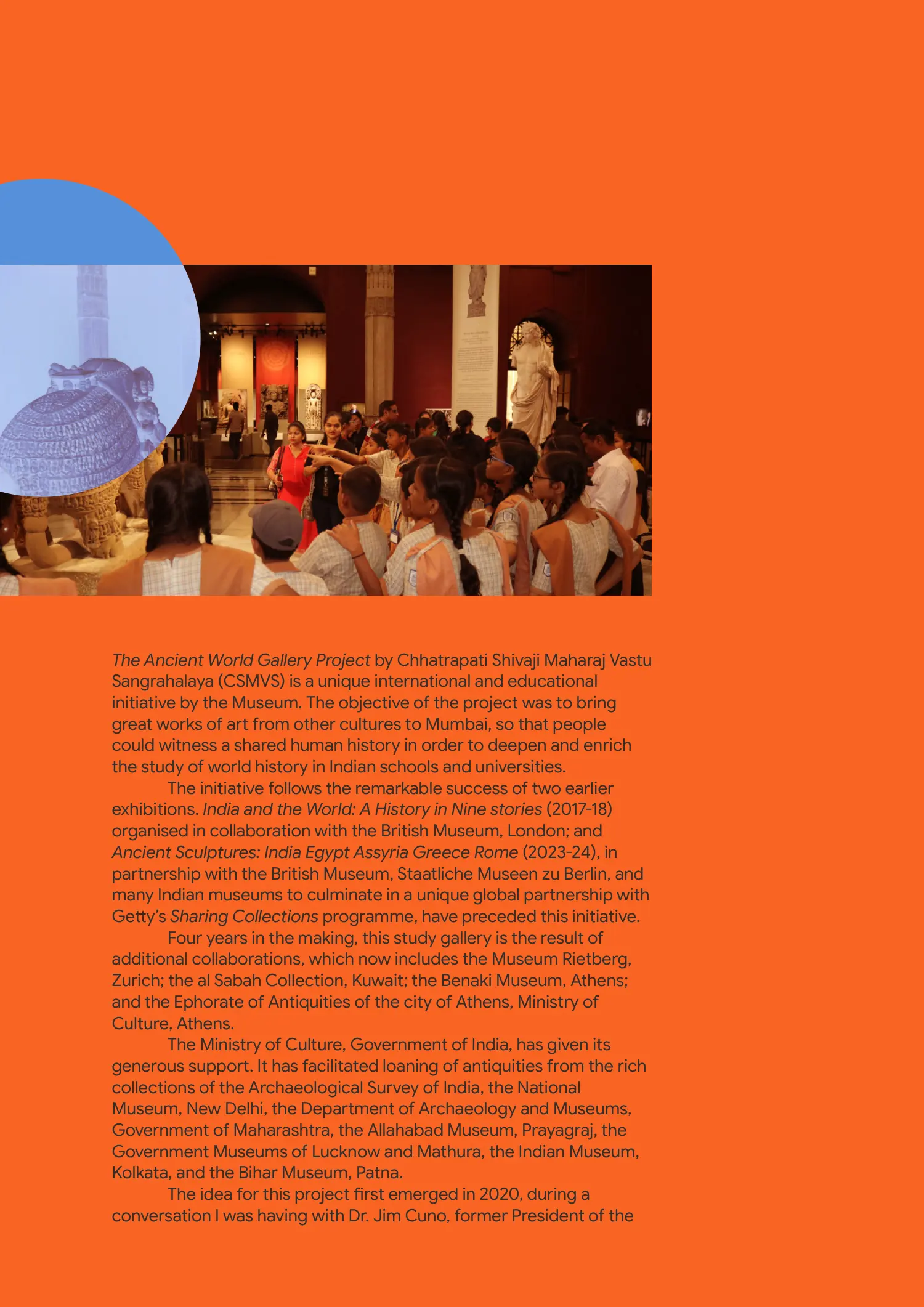
The Ancient World Gallery Project by Chhatrapati Shivaji Maharaj Vastu Sangrahalaya (CSMVS) is a unique international and educational initiative by the Museum. The objective of the project was to bring great works of art from other cultures to Mumbai, so that people could witness a shared human history in order to deepen and enrich the study of world history in Indian schools and universities. The initiative follows the remarkable success of two earlier exhibitions. India and the World: A History in Nine stories (2017-18) organised in collaboration with the British Museum, London; and Ancient Sculptures: India Egypt Assyria Greece Rome (2023-24), in partnership with the British Museum, Staatliche Museen zu Berlin, and many Indian museums to culminate in a unique global partnership with Getty’s Sharing Collections programme, have preceded this initiative. Four years in the making, this study gallery is the result of additional collaborations, which now includes the Museum Rietberg, Zurich; the al Sabah Collection, Kuwait; the Benaki Museum, Athens; and the Ephorate of Antiquities of the city of Athens, Ministry of Culture, Athens. The Ministry of Culture, Government of India, has given its generous support. It has facilitated loaning of antiquities from the rich collections of the Archaeological Survey of India, the National Museum, New Delhi, the Department of Archaeology and Museums, Government of Maharashtra, the Allahabad Museum, Prayagraj, the Government Museums of Lucknow and Mathura, the Indian Museum, Kolkata, and the Bihar Museum, Patna. The idea for this project first emerged in 2020, during a conversation I was having with Dr. Jim Cuno, former President of the
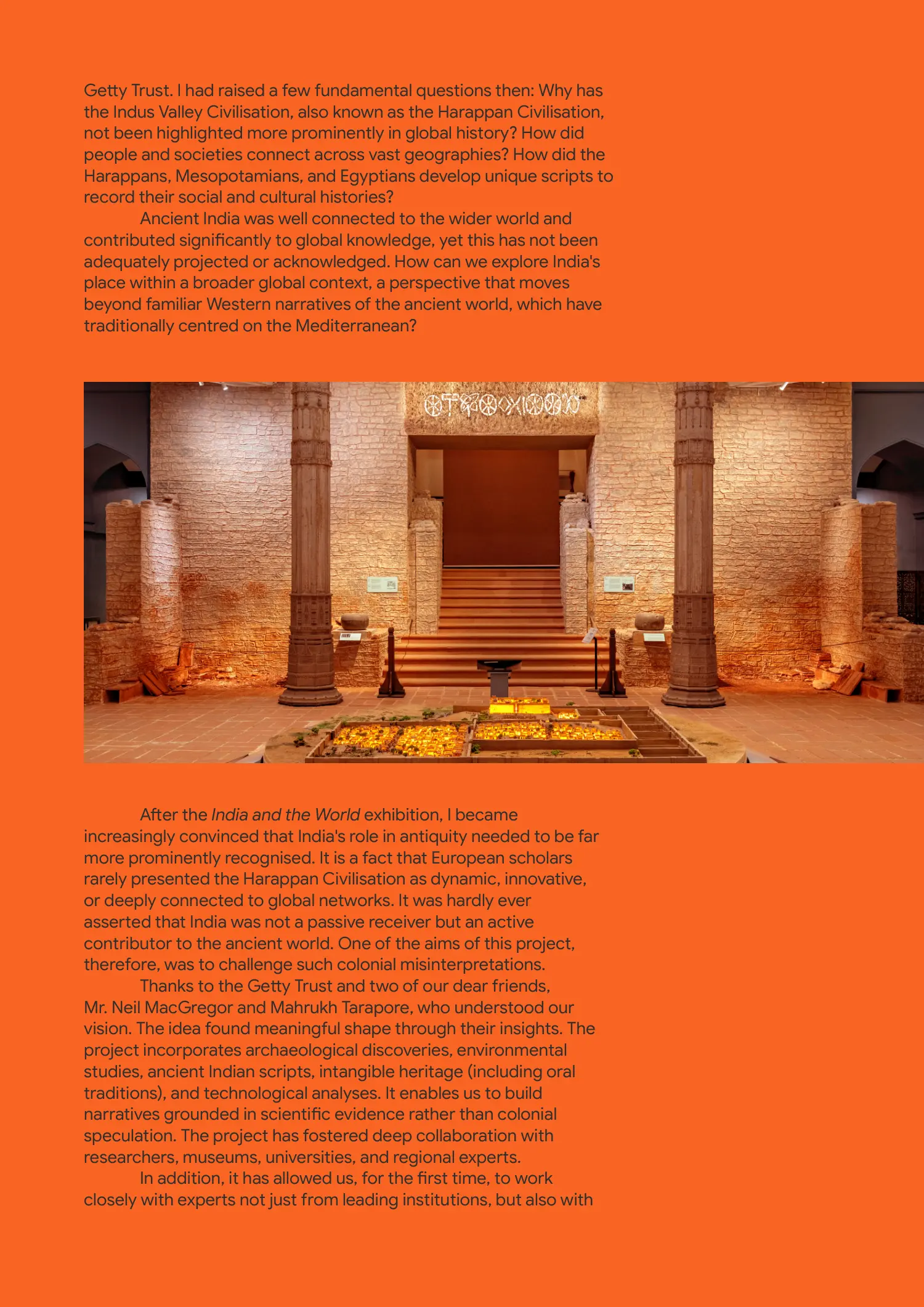
Getty Trust. I had raised a few fundamental questions then: Why has the Indus Valley Civilisation, also known as the Harappan Civilisation, not been highlighted more prominently in global history? How did people and societies connect across vast geographies? How did the Harappans, Mesopotamians, and Egyptians develop unique scripts to record their social and cultural histories? Ancient India was well connected to the wider world and contributed significantly to global knowledge, yet this has not been adequately projected or acknowledged. How can we explore India's place within a broader global context, a perspective that moves beyond familiar Western narratives of the ancient world, which have traditionally centred on the Mediterranean?
After the India and the World exhibition, I became increasingly convinced that India's role in antiquity needed to be far more prominently recognised. It is a fact that European scholars rarely presented the Harappan Civilisation as dynamic, innovative, or deeply connected to global networks. It was hardly ever asserted that India was not a passive receiver but an active contributor to the ancient world. One of the aims of this project, therefore, was to challenge such colonial misinterpretations. Thanks to the Getty Trust and two of our dear friends, Mr. Neil MacGregor and Mahrukh Tarapore, who understood our vision. The idea found meaningful shape through their insights. The project incorporates archaeological discoveries, environmental studies, ancient Indian scripts, intangible heritage (including oral traditions), and technological analyses. It enables us to build narratives grounded in scientific evidence rather than colonial speculation. The project has fostered deep collaboration with researchers, museums, universities, and regional experts. In addition, it has allowed us, for the first time, to work closely with experts not just from leading institutions, but also with
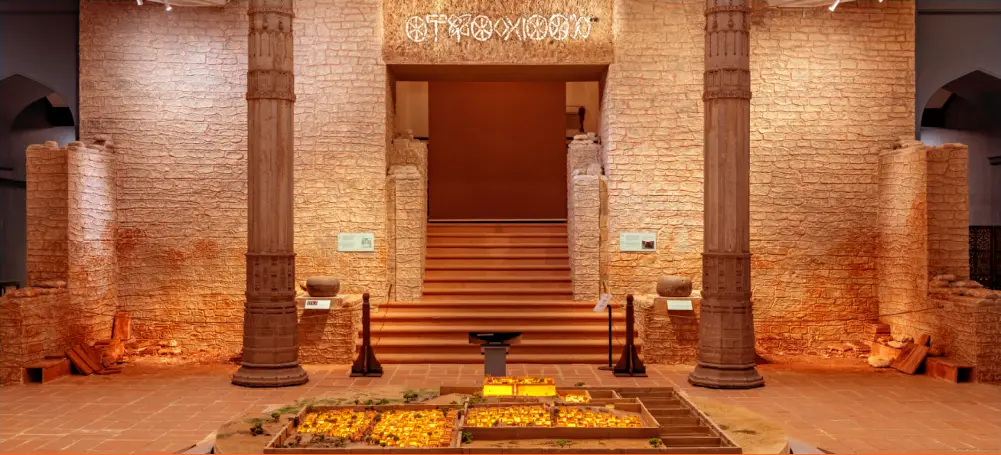
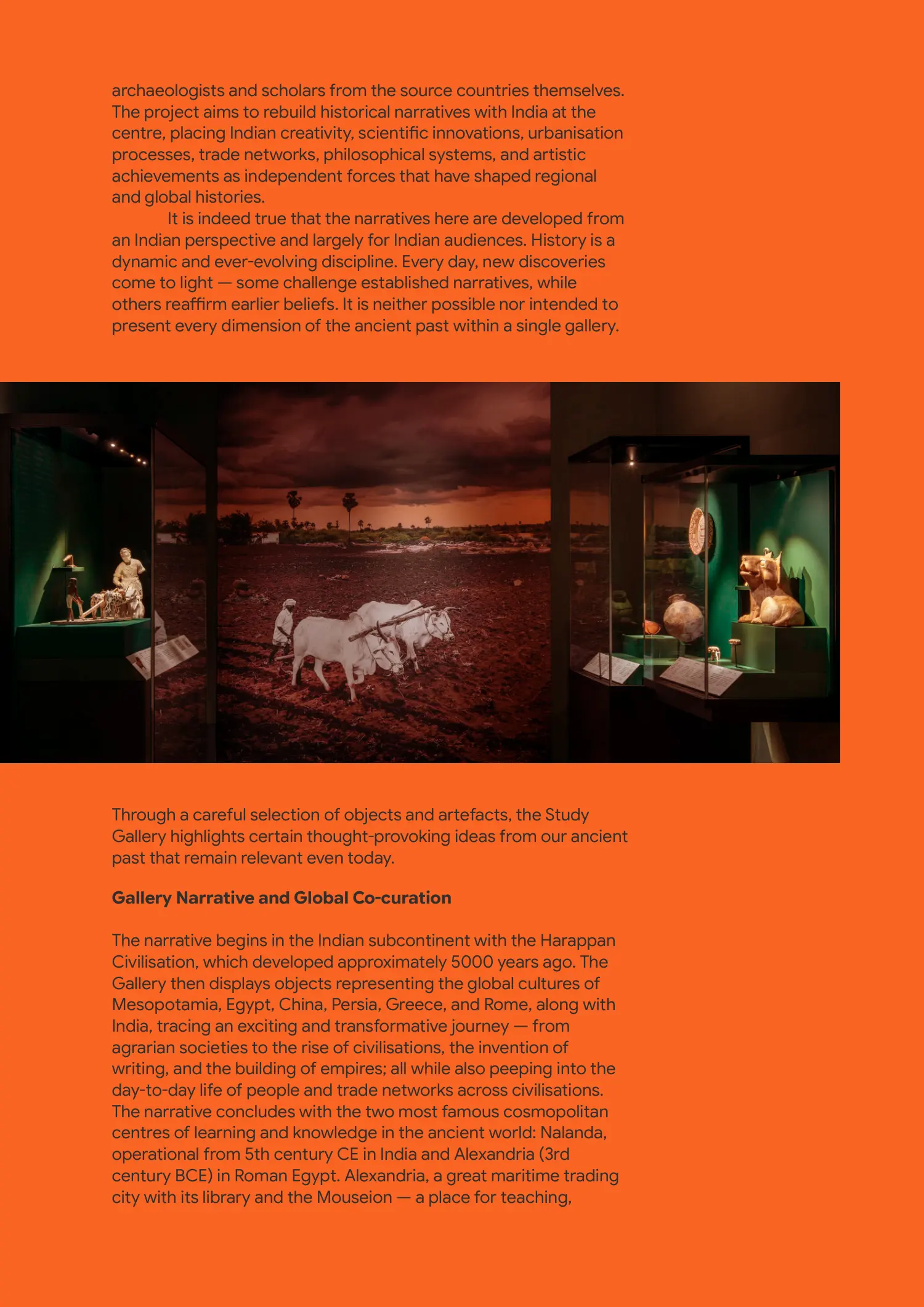
archaeologists and scholars from the source countries themselves. The project aims to rebuild historical narratives with India at the centre, placing Indian creativity, scientific innovations, urbanisation processes, trade networks, philosophical systems, and artistic achievements as independent forces that have shaped regional and global histories. It is indeed true that the narratives here are developed from an Indian perspective and largely for Indian audiences. History is a dynamic and ever-evolving discipline. Every day, new discoveries come to light — some challenge established narratives, while others reaffirm earlier beliefs. It is neither possible nor intended to present every dimension of the ancient past within a single gallery.
Through a careful selection of objects and artefacts, the Study Gallery highlights certain thought-provoking ideas from our ancient past that remain relevant even today.
Gallery Narrative and Global Co-curation
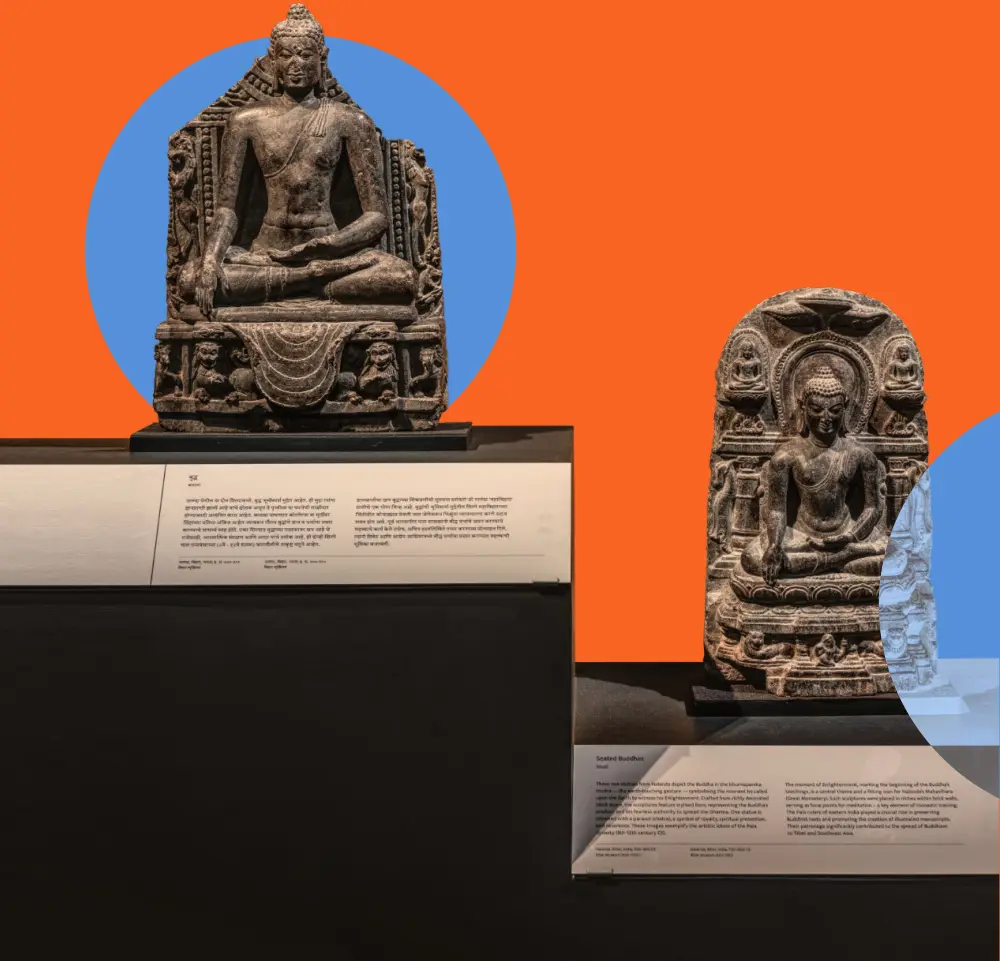
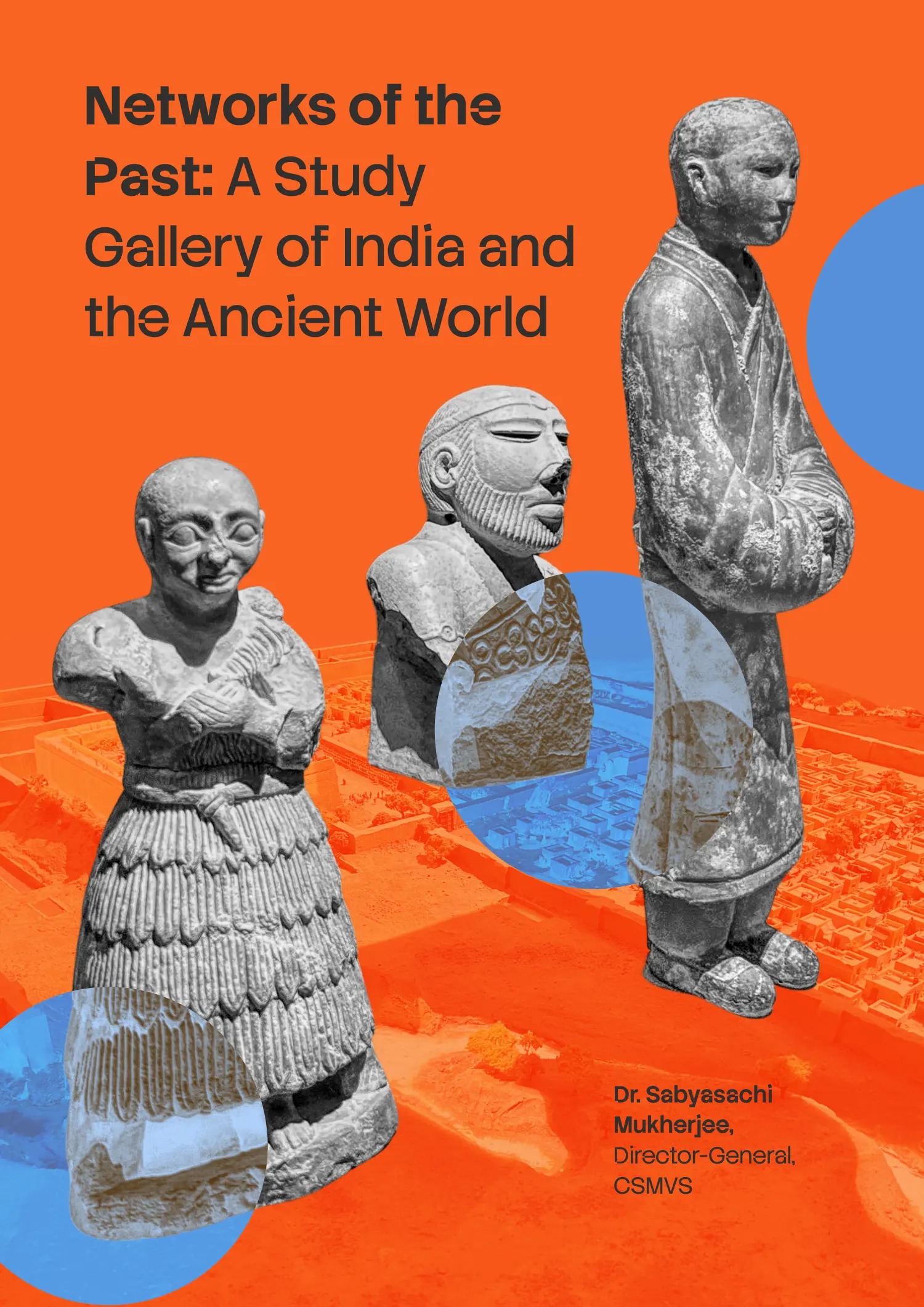
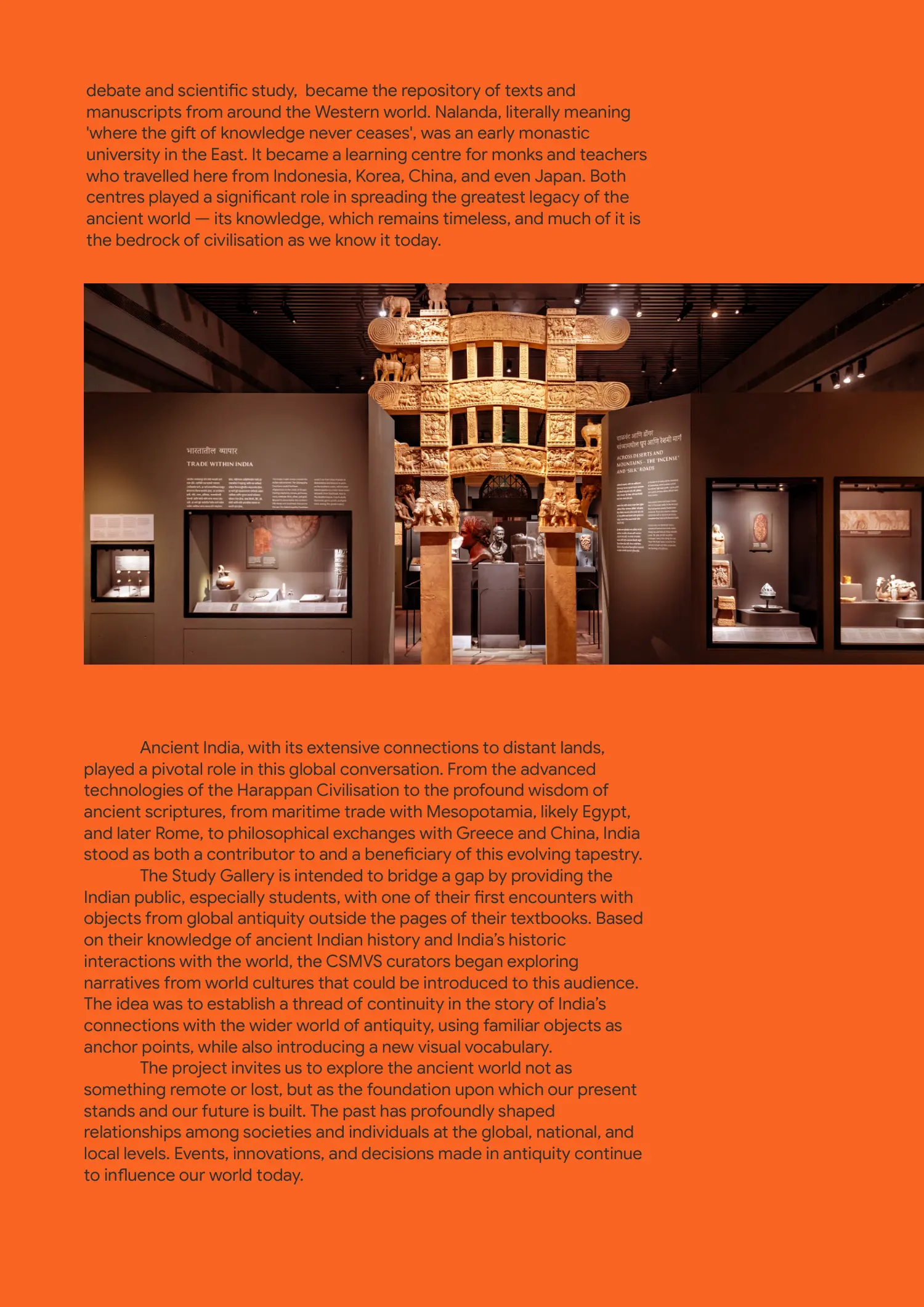
The narrative begins in the Indian subcontinent with the Harappan Civilisation, which developed approximately 5000 years ago. The Gallery then displays objects representing the global cultures of Mesopotamia, Egypt, China, Persia, Greece, and Rome, along with India, tracing an exciting and transformative journey — from agrarian societies to the rise of civilisations, the invention of writing, and the building of empires; all while also peeping into the day-to-day life of people and trade networks across civilisations. The narrative concludes with the two most famous cosmopolitan centres of learning and knowledge in the ancient world: Nalanda, operational from 5th century CE in India and Alexandria (3rd century BCE) in Roman Egypt. Alexandria, a great maritime trading city with its library and the Mouseion — a place for teaching,
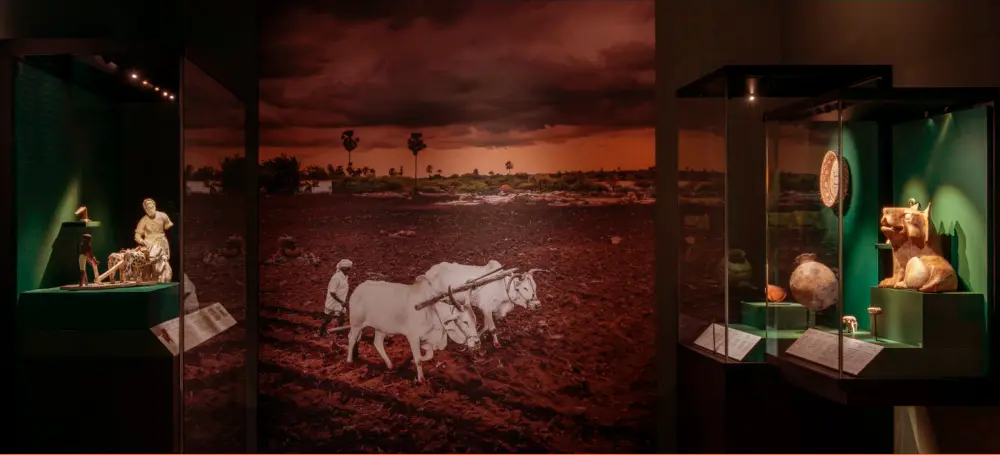
debate and scientific study, became the repository of texts and manuscripts from around the Western world. Nalanda, literally meaning 'where the gift of knowledge never ceases', was an early monastic university in the East. It became a learning centre for monks and teachers who travelled here from Indonesia, Korea, China, and even Japan. Both centres played a significant role in spreading the greatest legacy of the ancient world — its knowledge, which remains timeless, and much of it is the bedrock of civilisation as we know it today.
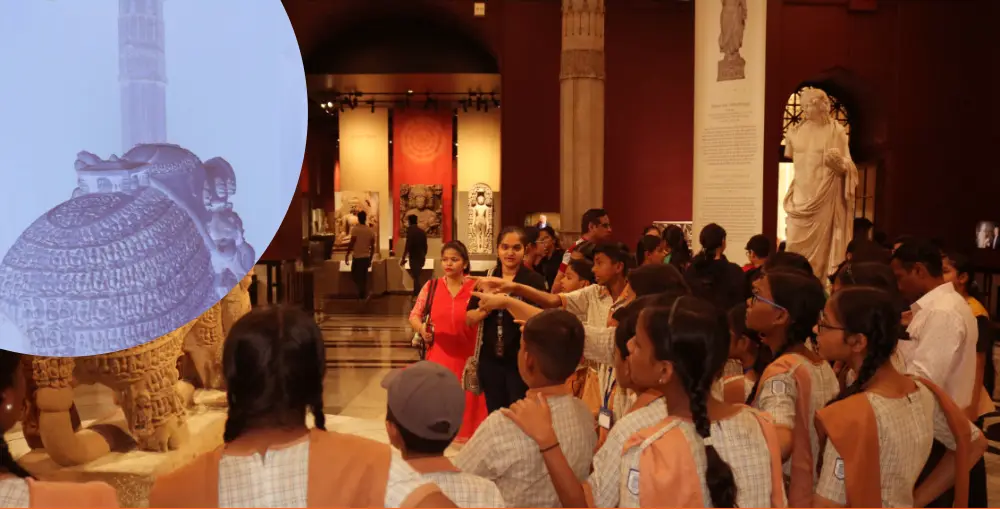
Ancient India, with its extensive connections to distant lands, played a pivotal role in this global conversation. From the advanced technologies of the Harappan Civilisation to the profound wisdom of ancient scriptures, from maritime trade with Mesopotamia, likely Egypt, and later Rome, to philosophical exchanges with Greece and China, India stood as both a contributor to and a beneficiary of this evolving tapestry. The Study Gallery is intended to bridge a gap by providing the Indian public, especially students, with one of their first encounters with objects from global antiquity outside the pages of their textbooks. Based on their knowledge of ancient Indian history and India’s historic interactions with the world, the CSMVS curators began exploring narratives from world cultures that could be introduced to this audience. The idea was to establish a thread of continuity in the story of India’s connections with the wider world of antiquity, using familiar objects as anchor points, while also introducing a new visual vocabulary. The project invites us to explore the ancient world not as something remote or lost, but as the foundation upon which our present stands and our future is built. The past has profoundly shaped relationships among societies and individuals at the global, national, and local levels. Events, innovations, and decisions made in antiquity continue to influence our world today.
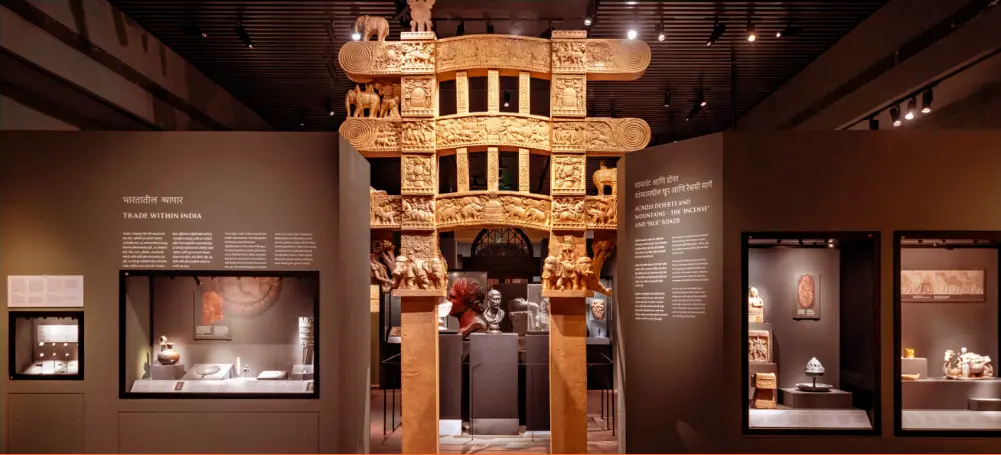
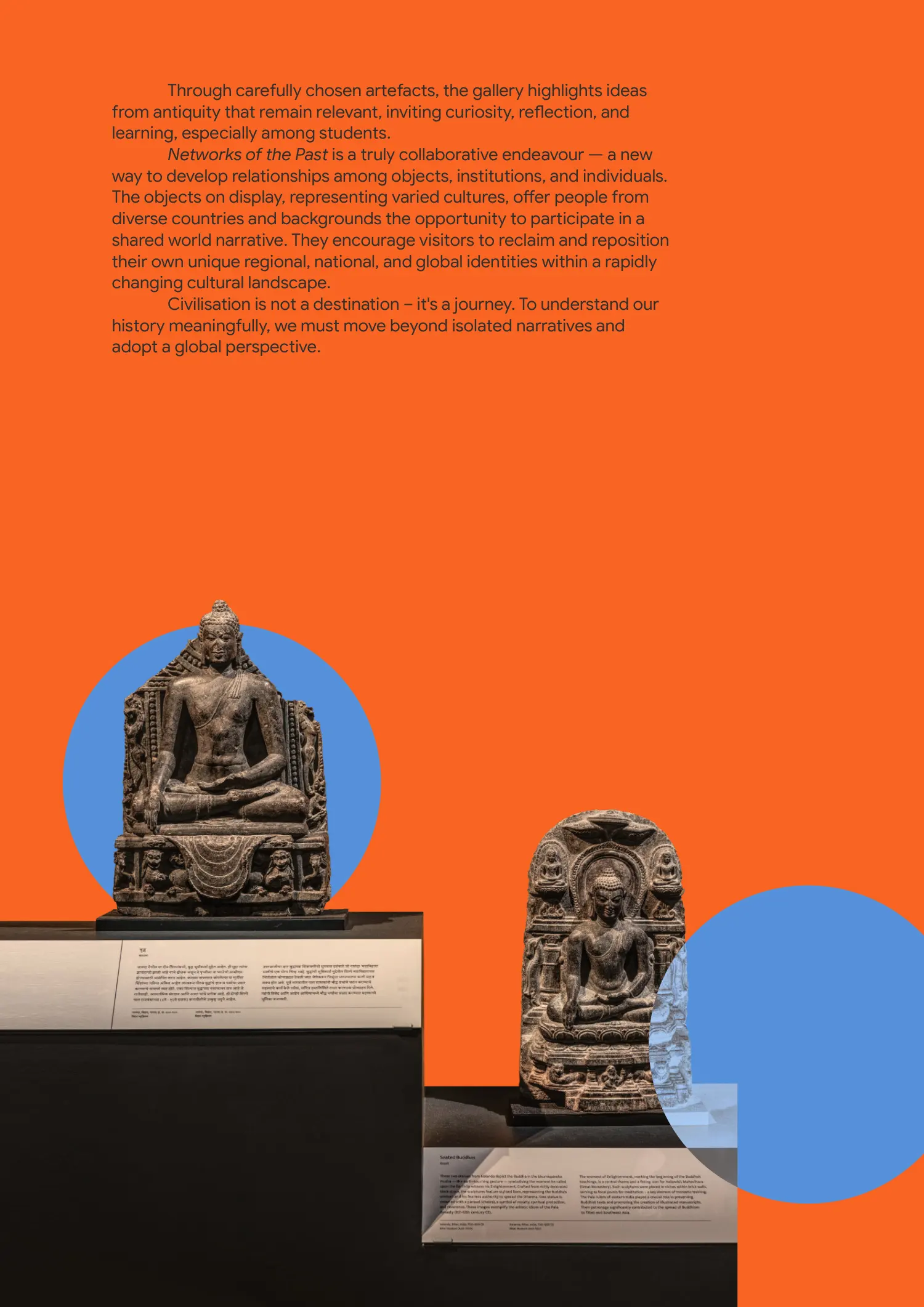
Through carefully chosen artefacts, the gallery highlights ideas from antiquity that remain relevant, inviting curiosity, reflection, and learning, especially among students.
Networks of the Past is a truly collaborative endeavour — a new way to develop relationships among objects, institutions, and individuals. The objects on display, representing varied cultures, offer people from diverse countries and backgrounds the opportunity to participate in a shared world narrative. They encourage visitors to reclaim and reposition their own unique regional, national, and global identities within a rapidly changing cultural landscape. Civilisation is not a destination – it's a journey. To understand our history meaningfully, we must move beyond isolated narratives and adopt a global perspective.
View original pages, photographs & credits
Originally published in Museum Mosaic 2025, published May 2026.
Part of our annual review. Descriptions reflect the publication’s reporting period.