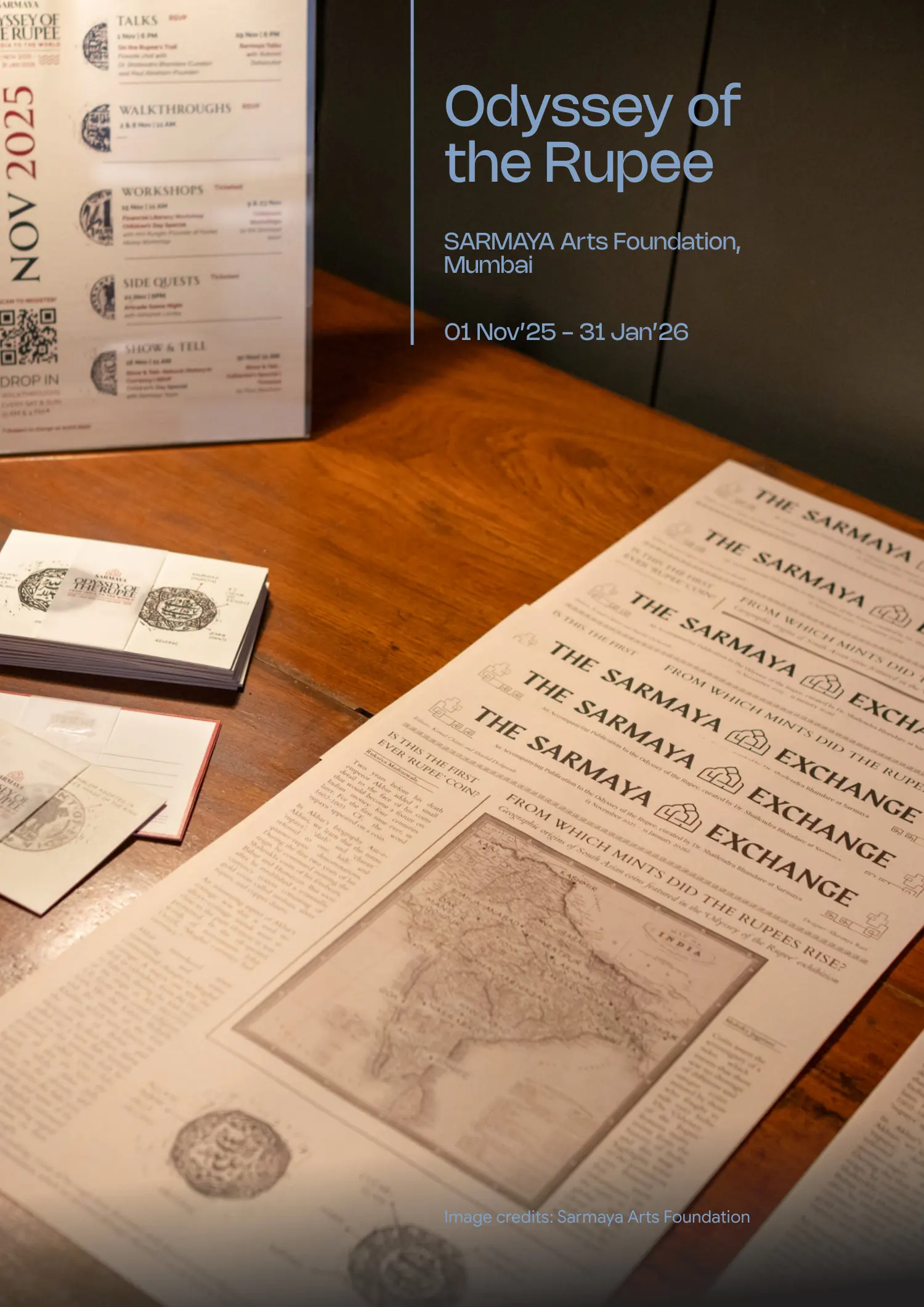
SARMAYA Arts Foundation, Mumbai
01 Nov’25 - 31 Jan’26
Image credits: Sarmaya Arts Foundation
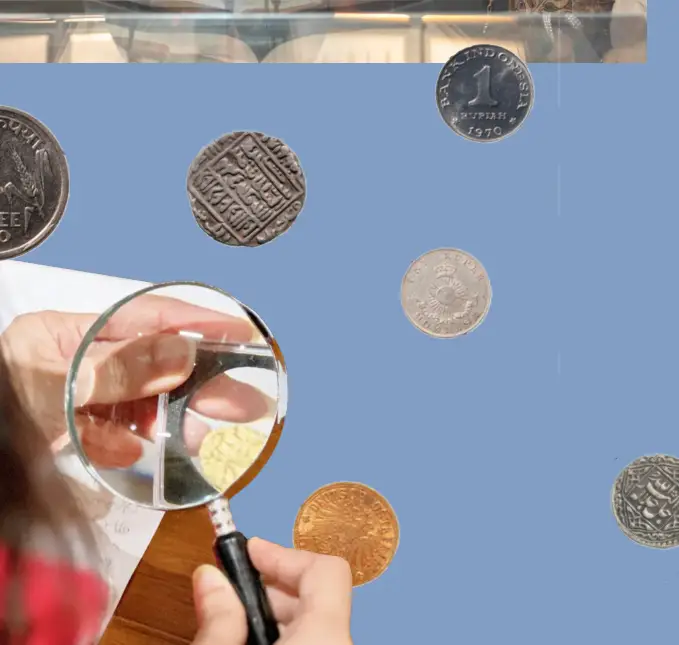
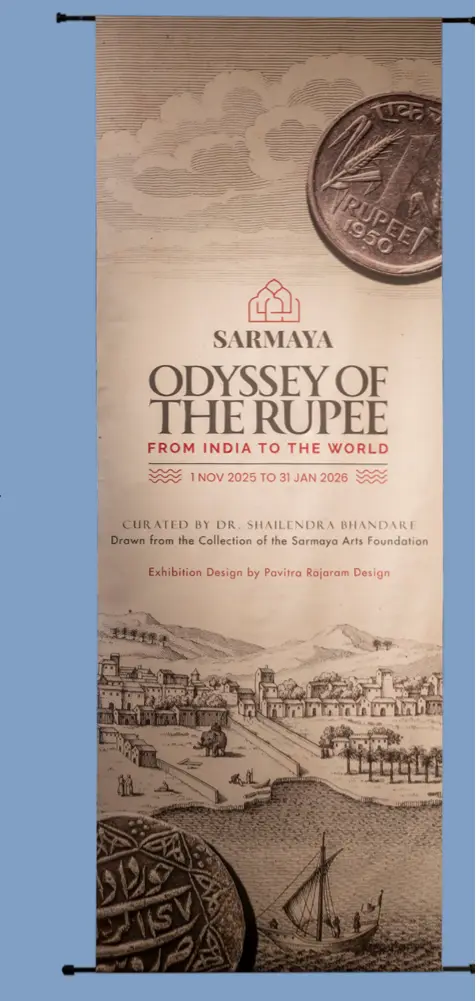
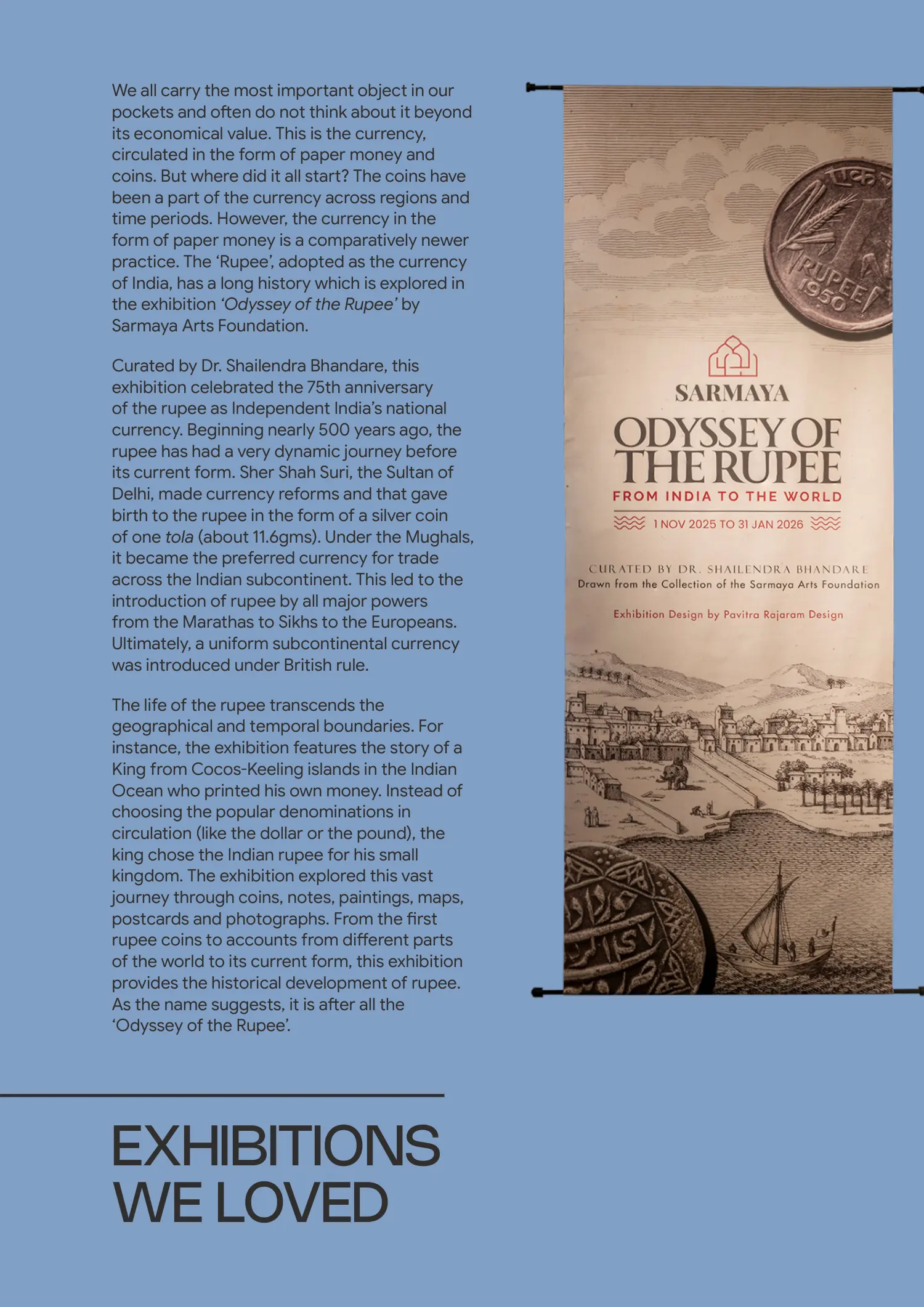
We all carry the most important object in our pockets and often do not think about it beyond its economical value. This is the currency, circulated in the form of paper money and coins. But where did it all start? The coins have been a part of the currency across regions and time periods. However, the currency in the form of paper money is a comparatively newer practice. The ‘Rupee’, adopted as the currency of India, has a long history which is explored in the exhibition ‘Odyssey of the Rupee’ by Sarmaya Arts Foundation.
Curated by Dr. Shailendra Bhandare, this exhibition celebrated the 75th anniversary of the rupee as Independent India’s national currency. Beginning nearly 500 years ago, the rupee has had a very dynamic journey before its current form. Sher Shah Suri, the Sultan of Delhi, made currency reforms and that gave birth to the rupee in the form of a silver coin of one tola (about 11.6gms). Under the Mughals, it became the preferred currency for trade across the Indian subcontinent. This led to the introduction of rupee by all major powers from the Marathas to Sikhs to the Europeans. Ultimately, a uniform subcontinental currency was introduced under British rule.
The life of the rupee transcends the geographical and temporal boundaries. For instance, the exhibition features the story of a King from Cocos-Keeling islands in the Indian Ocean who printed his own money. Instead of choosing the popular denominations in circulation (like the dollar or the pound), the king chose the Indian rupee for his small kingdom. The exhibition explored this vast journey through coins, notes, paintings, maps, postcards and photographs. From the first rupee coins to accounts from different parts of the world to its current form, this exhibition provides the historical development of rupee. As the name suggests, it is after all the ‘Odyssey of the Rupee’.
EXHIBITIONS WE LOVED

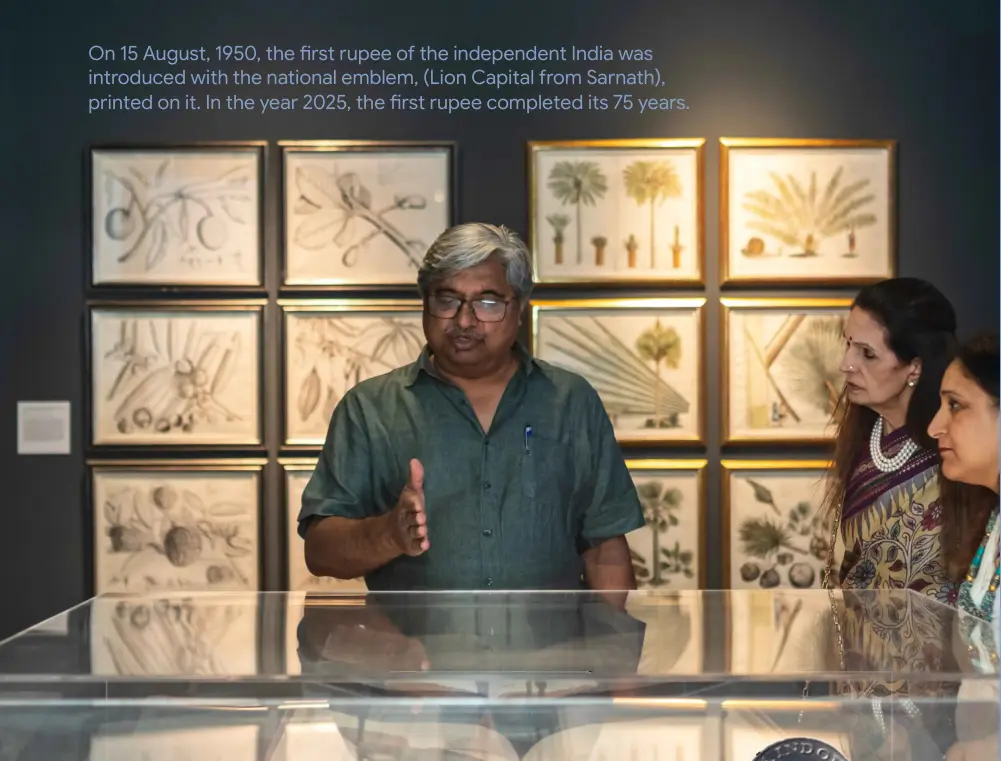
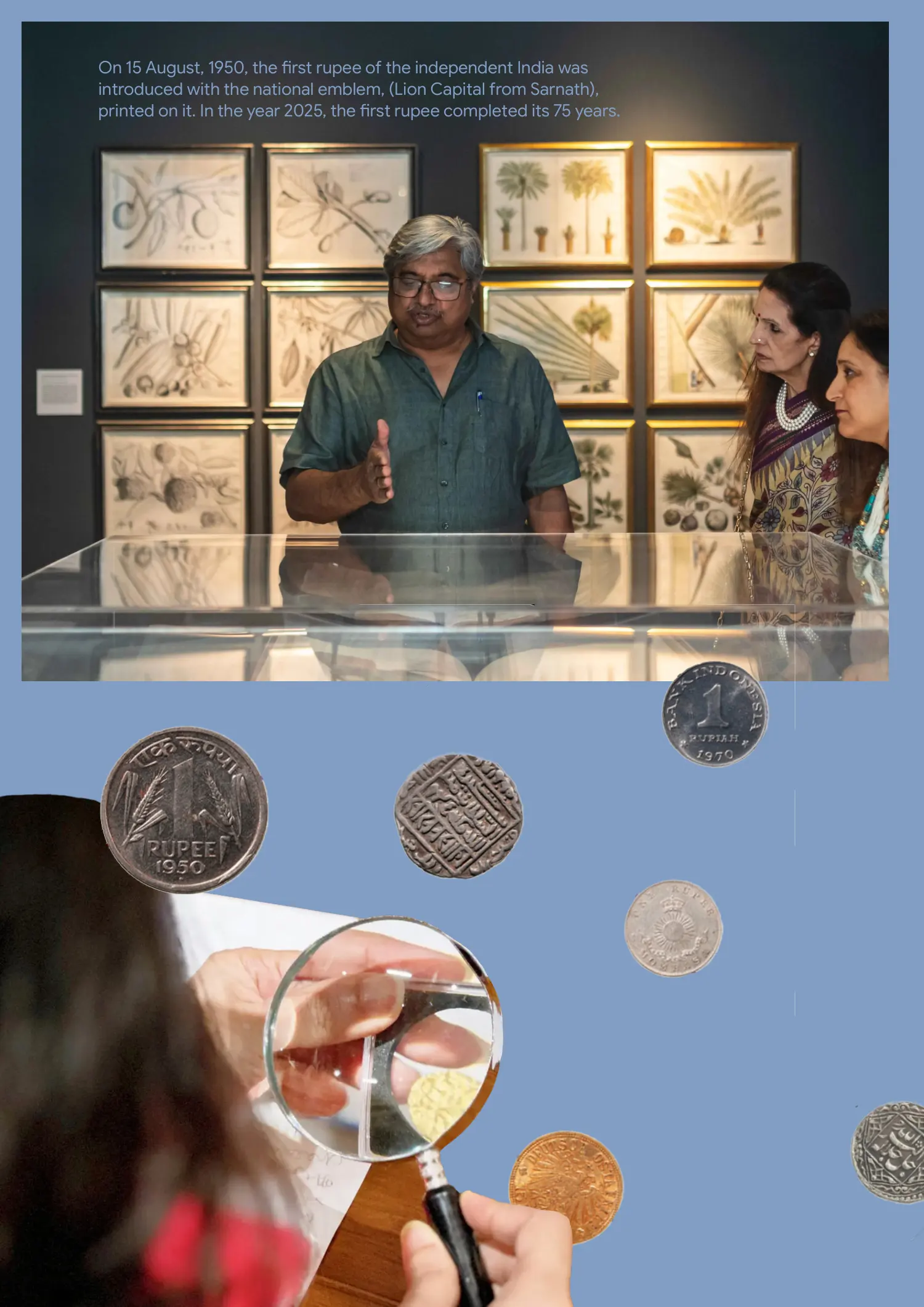
On 15 August, 1950, the first rupee of the independent India was introduced with the national emblem, (Lion Capital from Sarnath), printed on it. In the year 2025, the first rupee completed its 75 years.
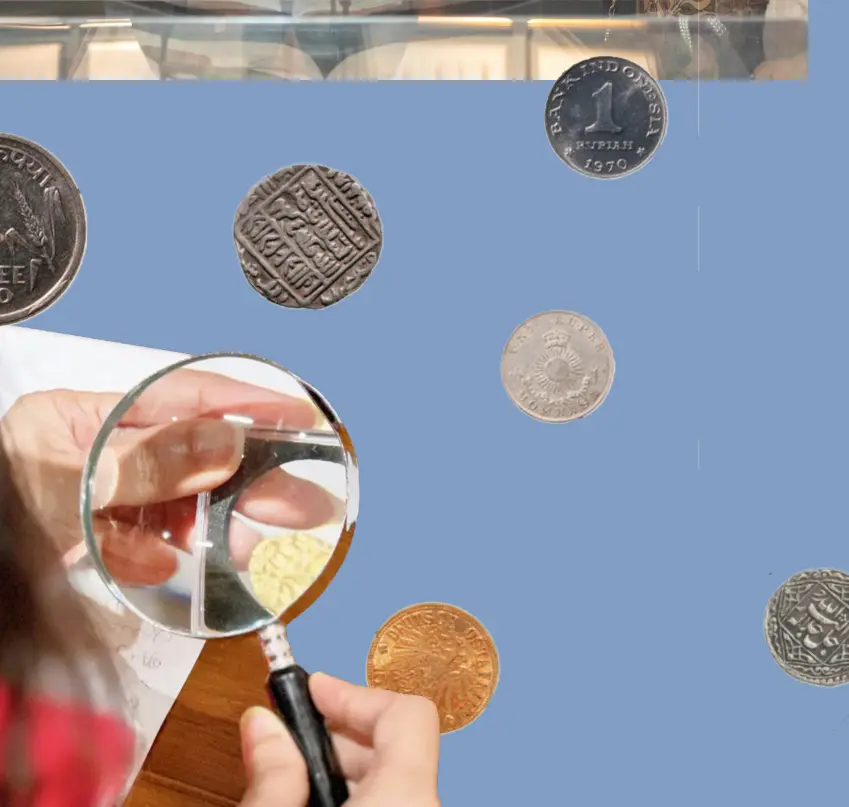
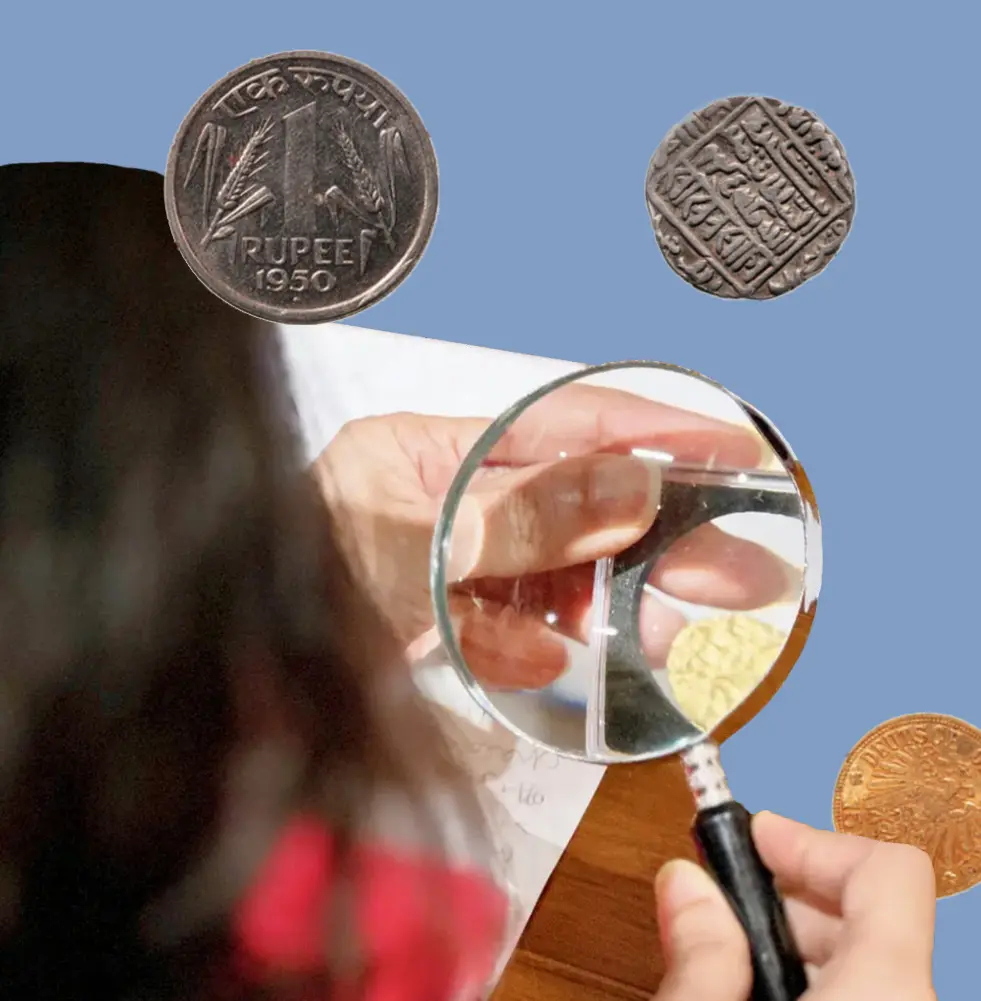
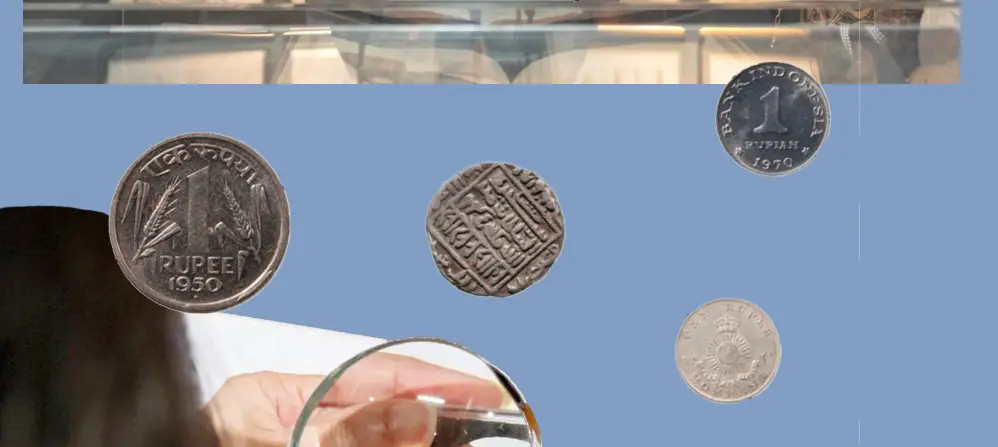
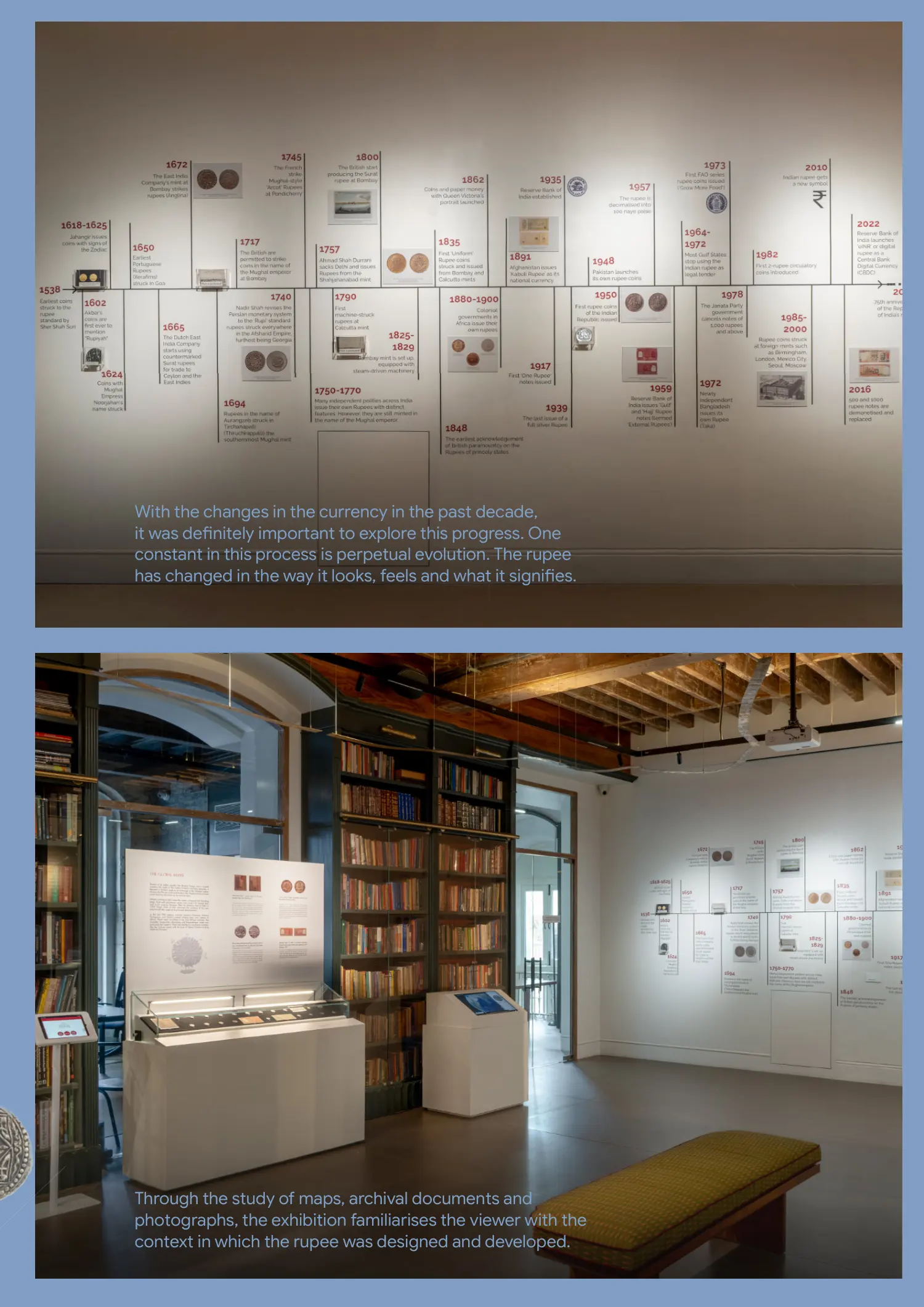
With the changes in the currency in the past decade, it was definitely important to explore this progress. One constant in this process is perpetual evolution. The rupee has changed in the way it looks, feels and what it signifies.
Through the study of maps, archival documents and photographs, the exhibition familiarises the viewer with the context in which the rupee was designed and developed.
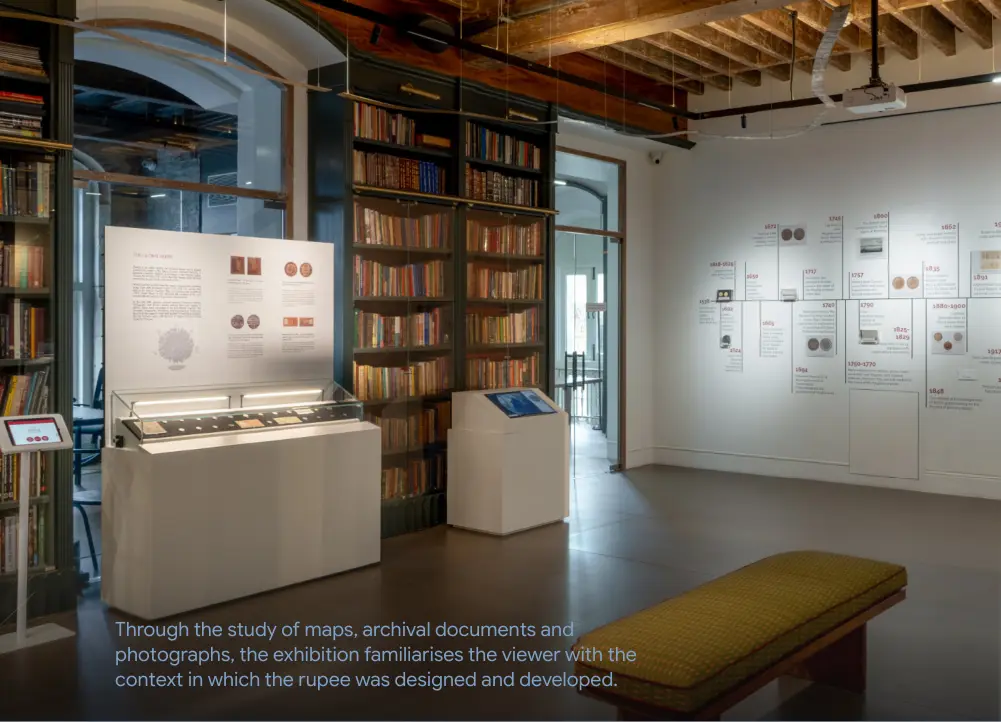
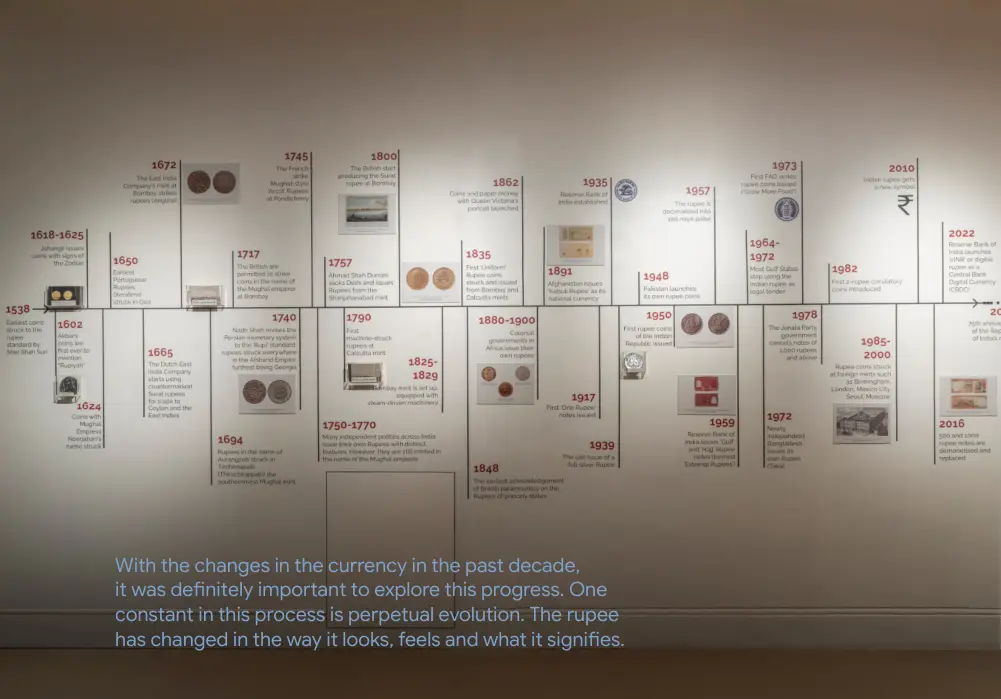
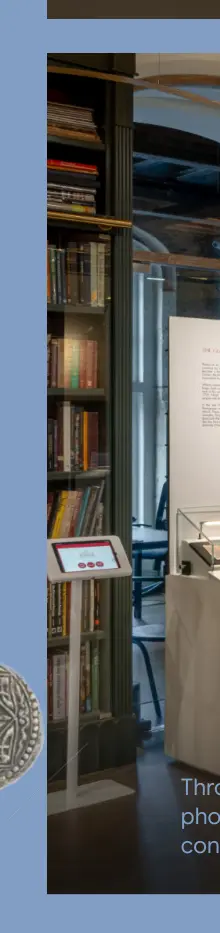
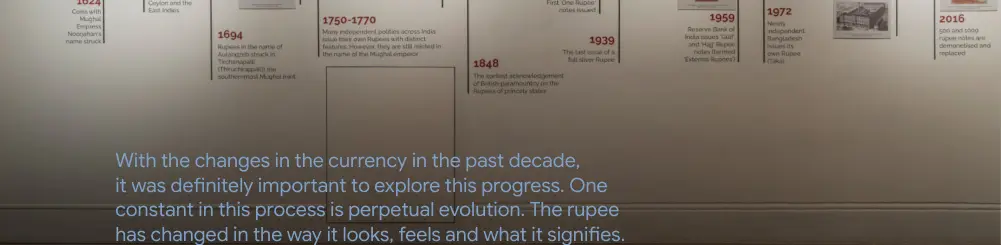
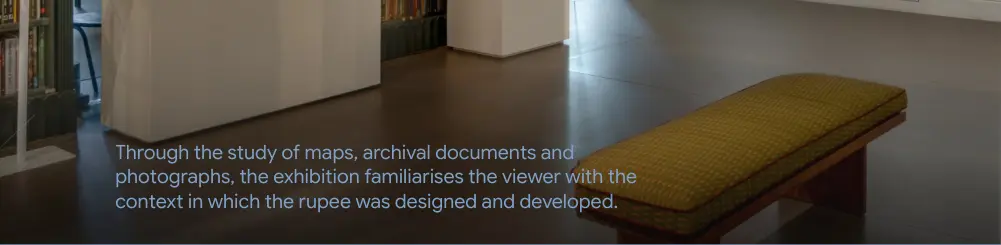
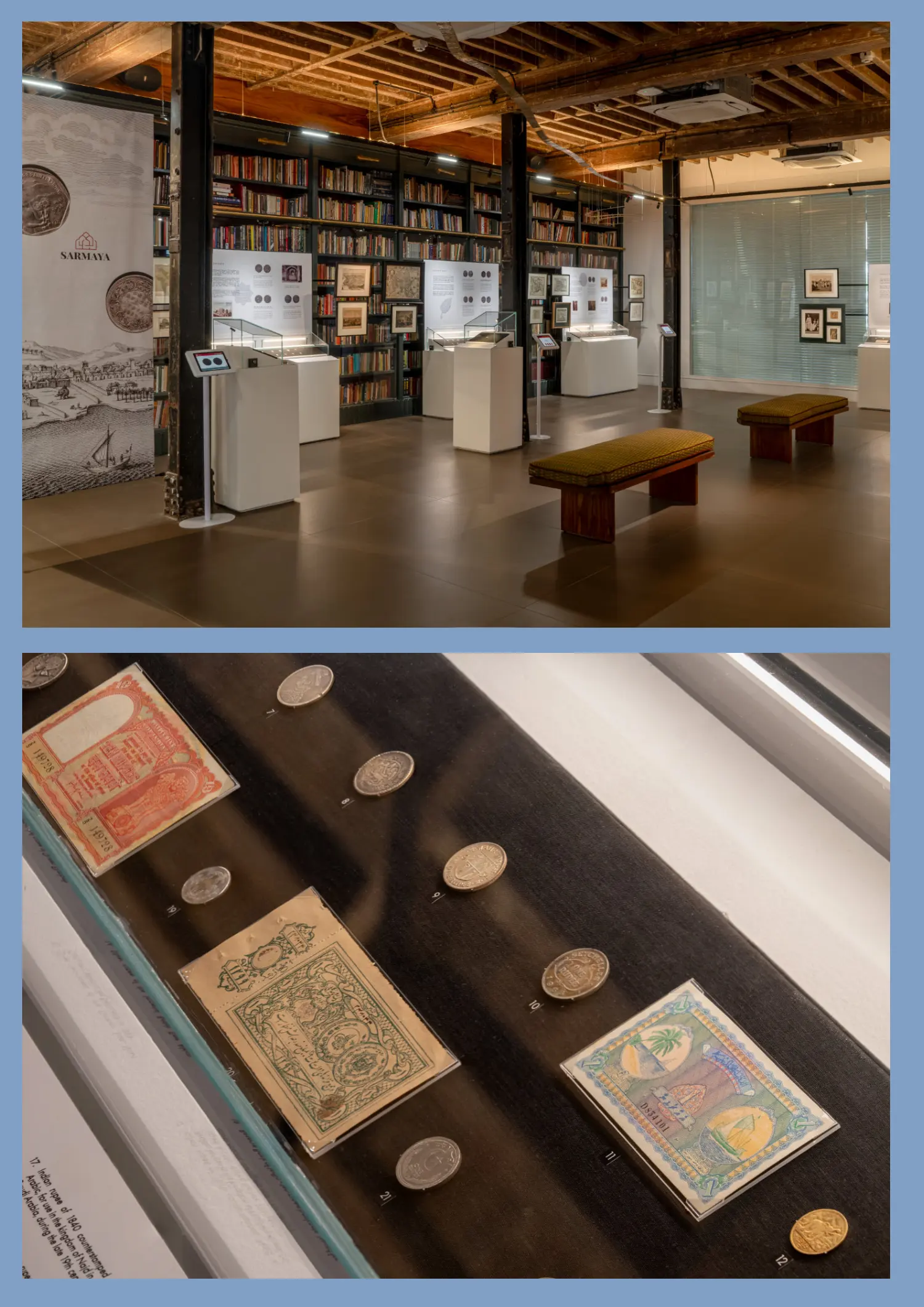
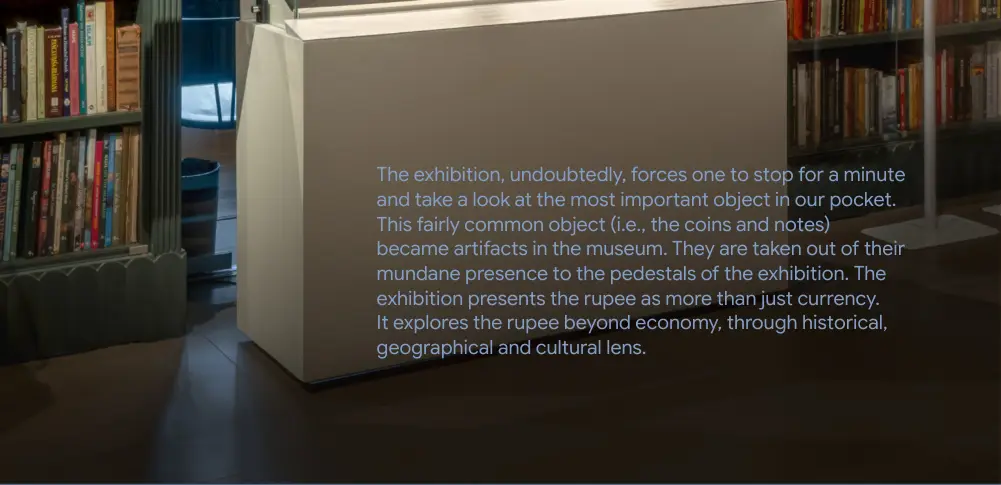
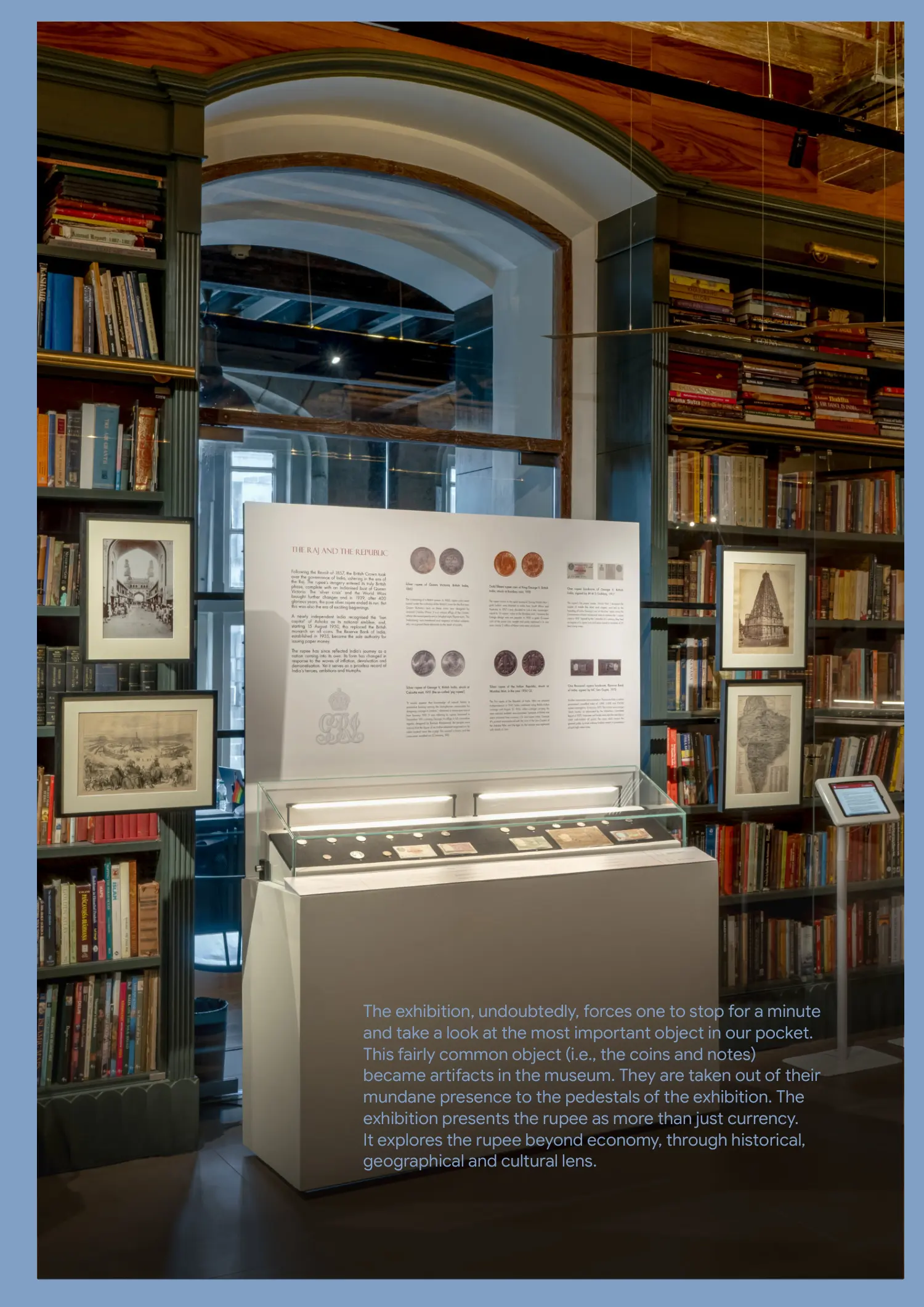
The exhibition, undoubtedly, forces one to stop for a minute and take a look at the most important object in our pocket. This fairly common object (i.e., the coins and notes) became artifacts in the museum. They are taken out of their mundane presence to the pedestals of the exhibition. The exhibition presents the rupee as more than just currency. It explores the rupee beyond economy, through historical, geographical and cultural lens.
View original pages, photographs & credits
Originally published in Museum Mosaic 2025, published May 2026.
Part of our annual review. Descriptions reflect the publication’s reporting period.