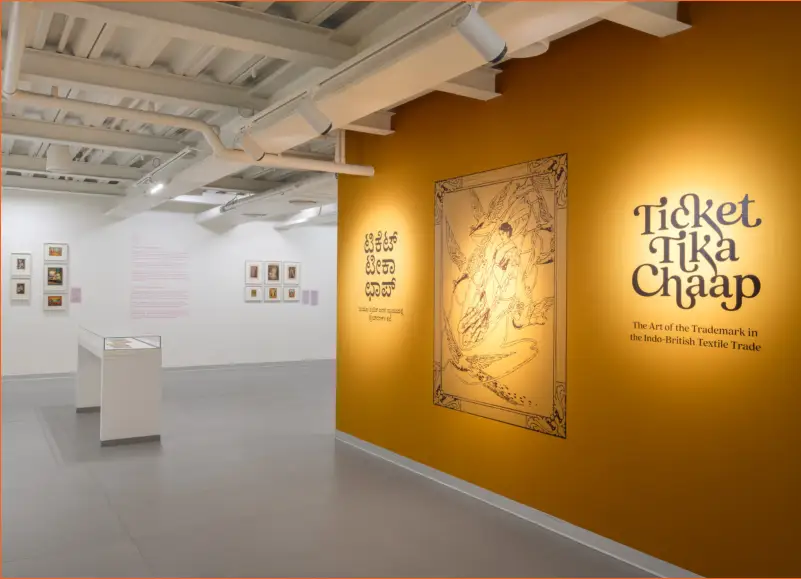
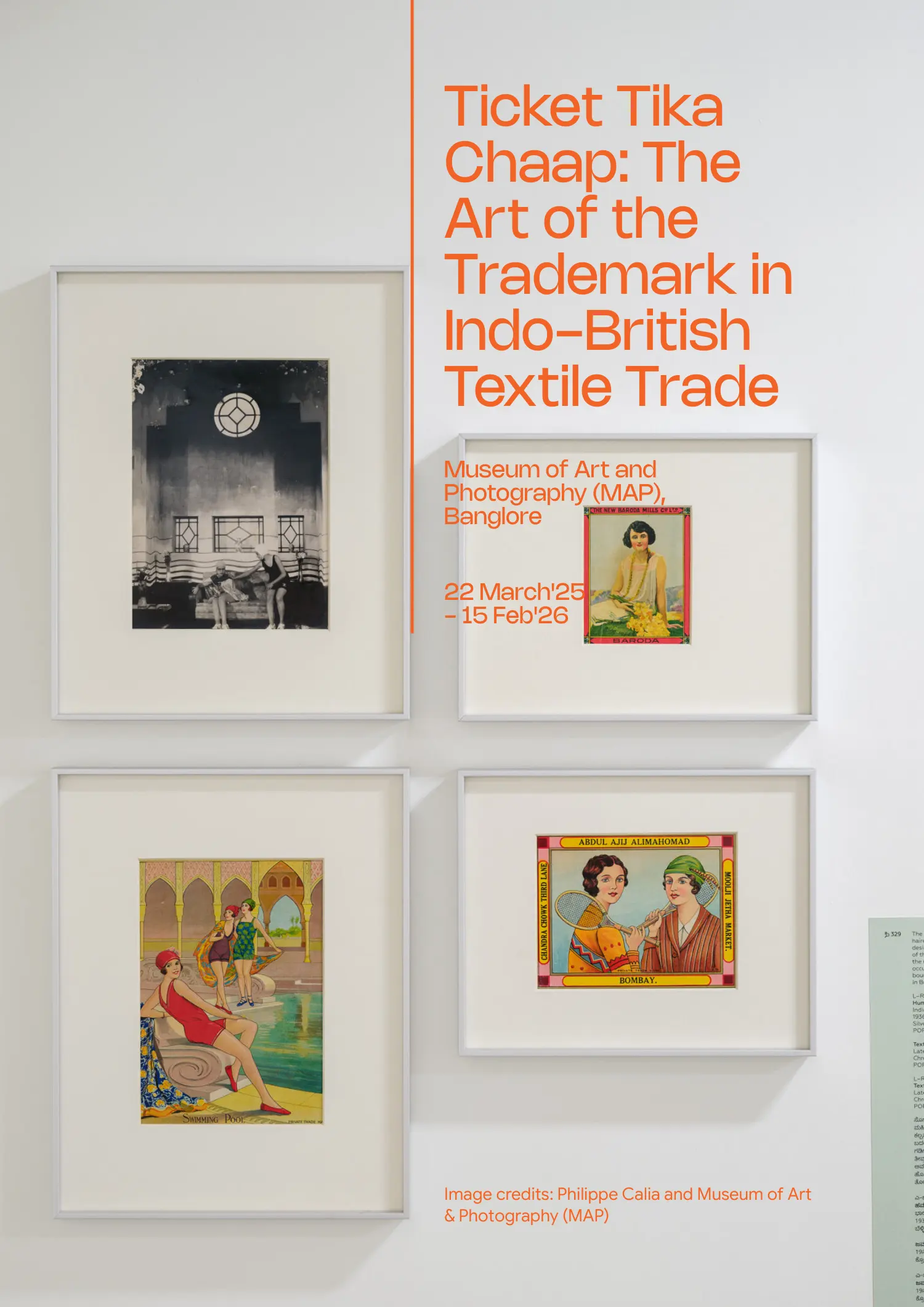
Museum of Art and Photography (MAP), Banglore
22 March'25 - 15 Feb'26
Image credits: Philippe Calia and Museum of Art & Photography (MAP)
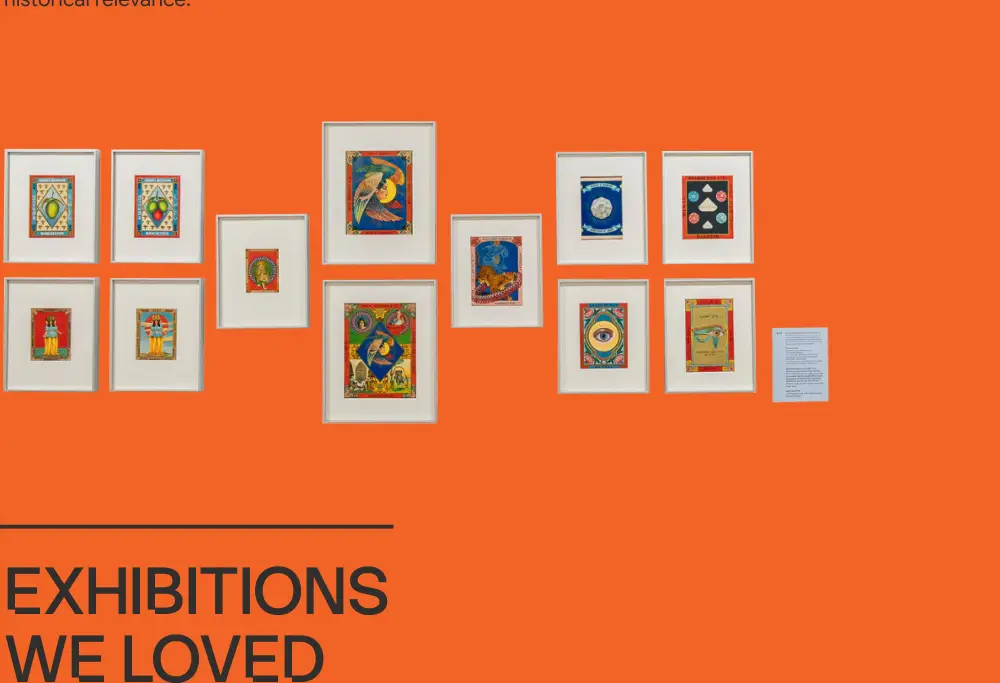
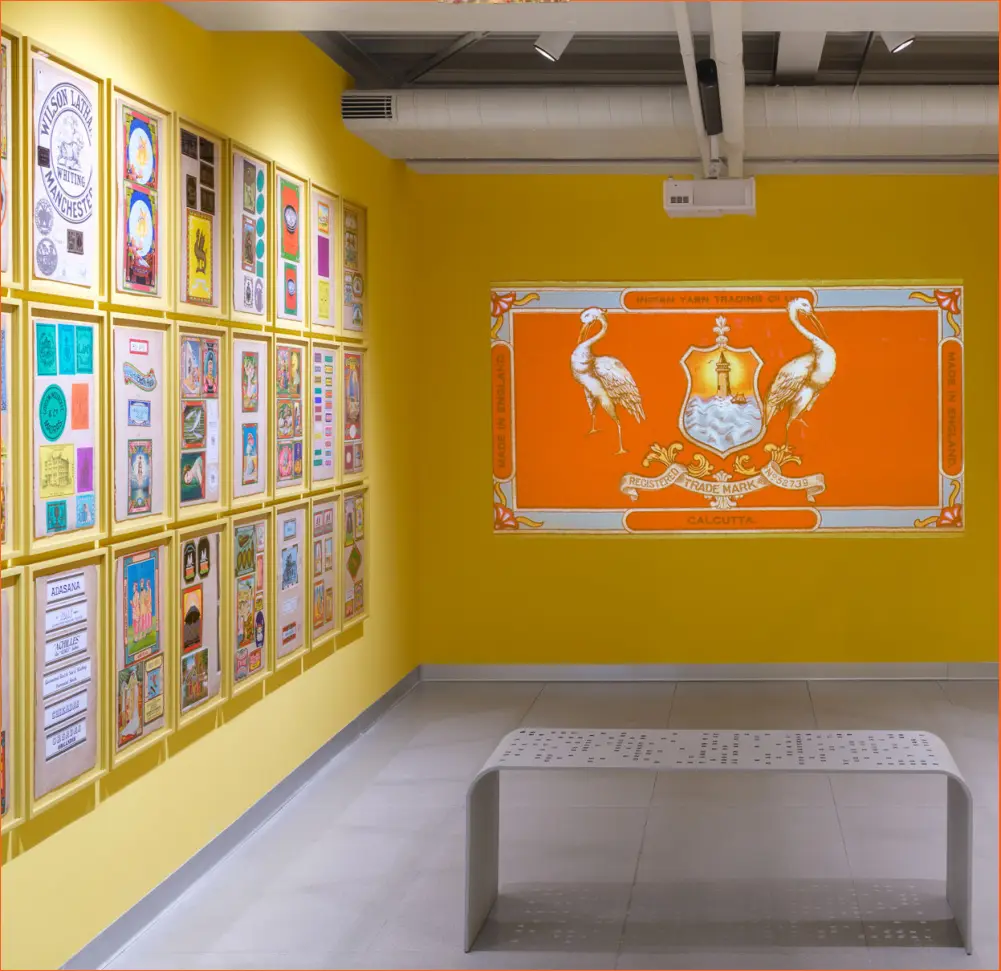
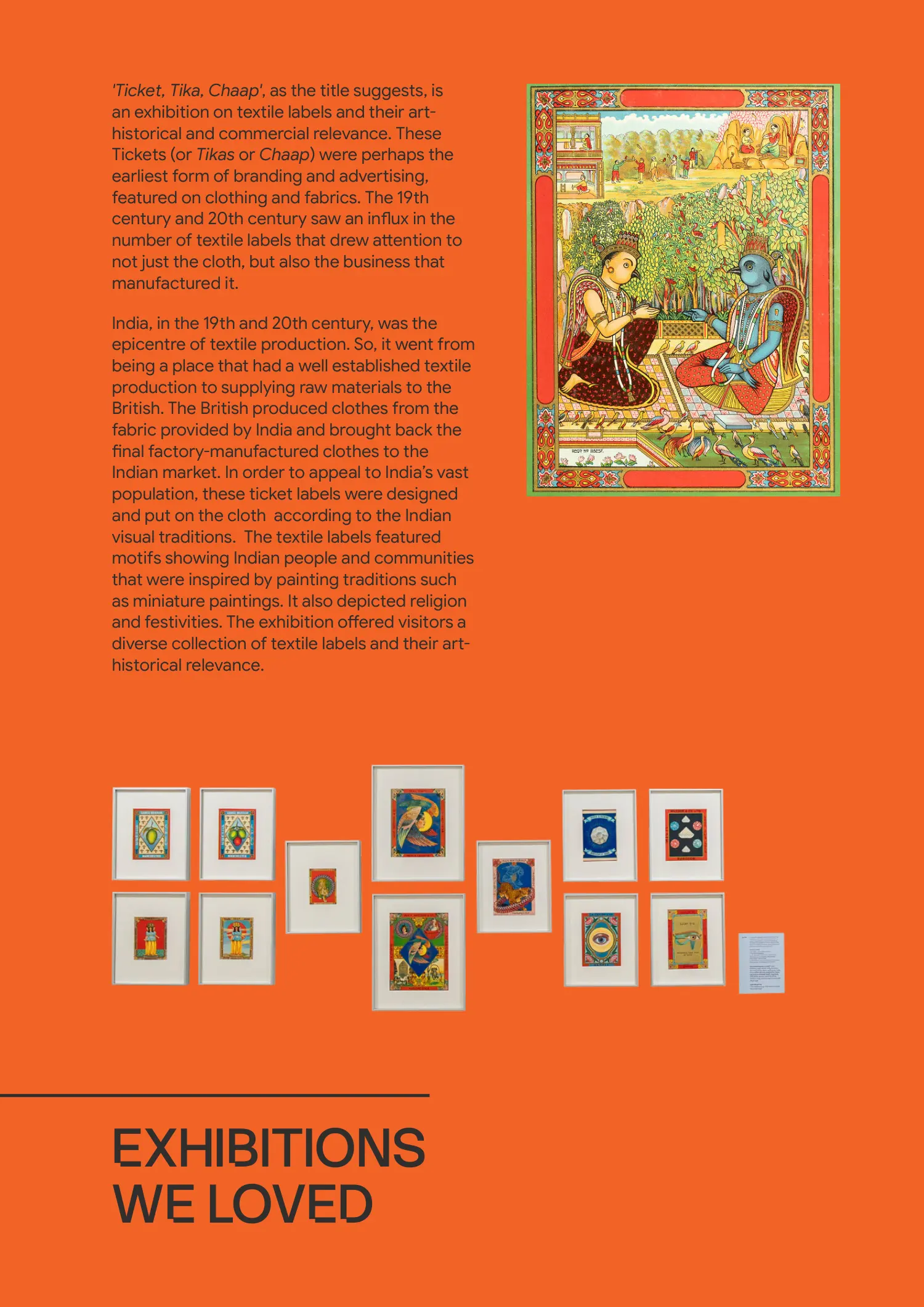
'Ticket, Tika, Chaap', as the title suggests, is an exhibition on textile labels and their art- historical and commercial relevance. These Tickets (or Tikas or Chaap) were perhaps the earliest form of branding and advertising, featured on clothing and fabrics. The 19th century and 20th century saw an influx in the number of textile labels that drew attention to not just the cloth, but also the business that manufactured it.
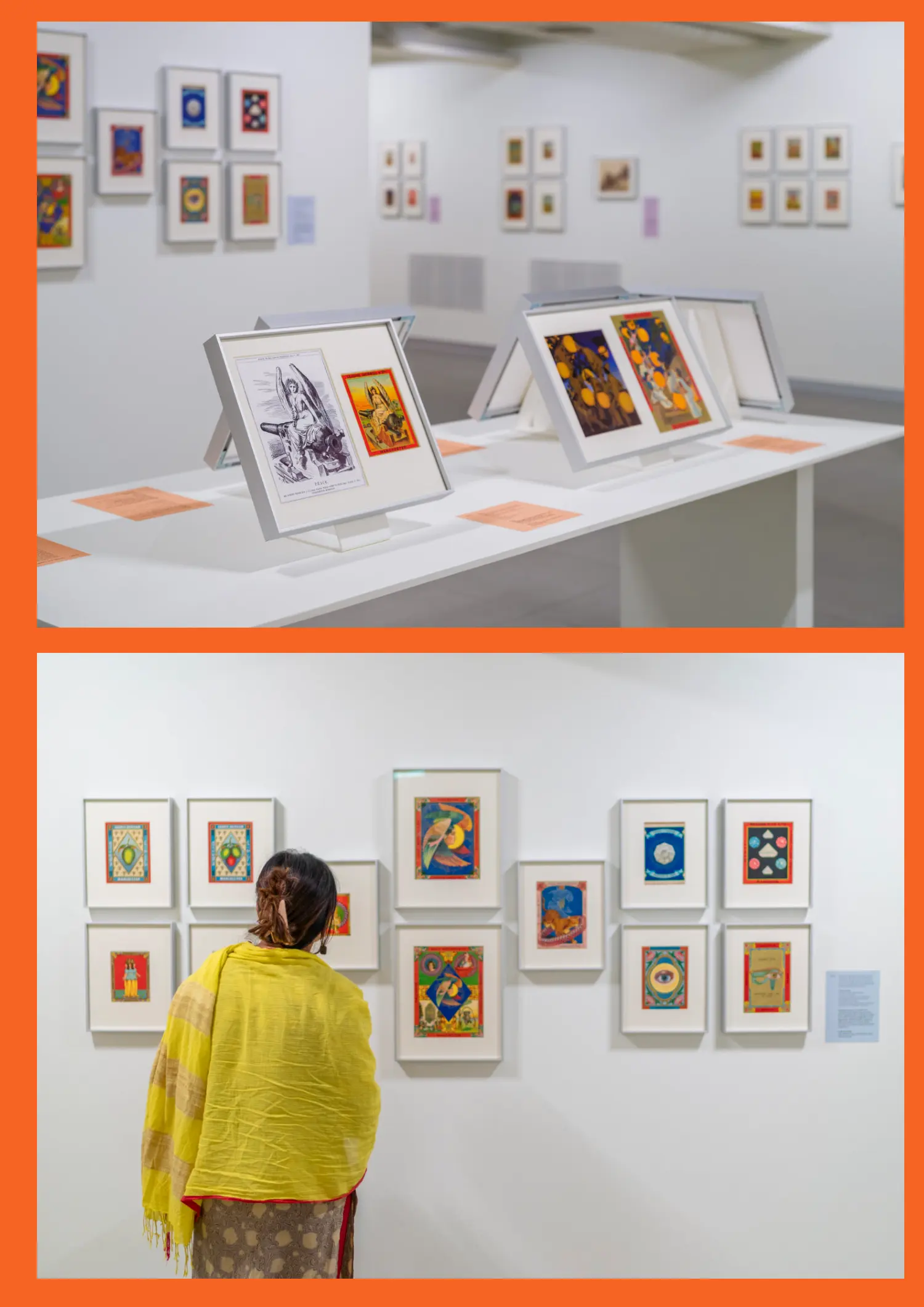
India, in the 19th and 20th century, was the epicentre of textile production. So, it went from being a place that had a well established textile production to supplying raw materials to the British. The British produced clothes from the fabric provided by India and brought back the final factory-manufactured clothes to the Indian market. In order to appeal to India’s vast population, these ticket labels were designed and put on the cloth according to the Indian visual traditions. The textile labels featured motifs showing Indian people and communities that were inspired by painting traditions such as miniature paintings. It also depicted religion and festivities. The exhibition offered visitors a diverse collection of textile labels and their art- historical relevance.
EXHIBITIONS WE LOVED
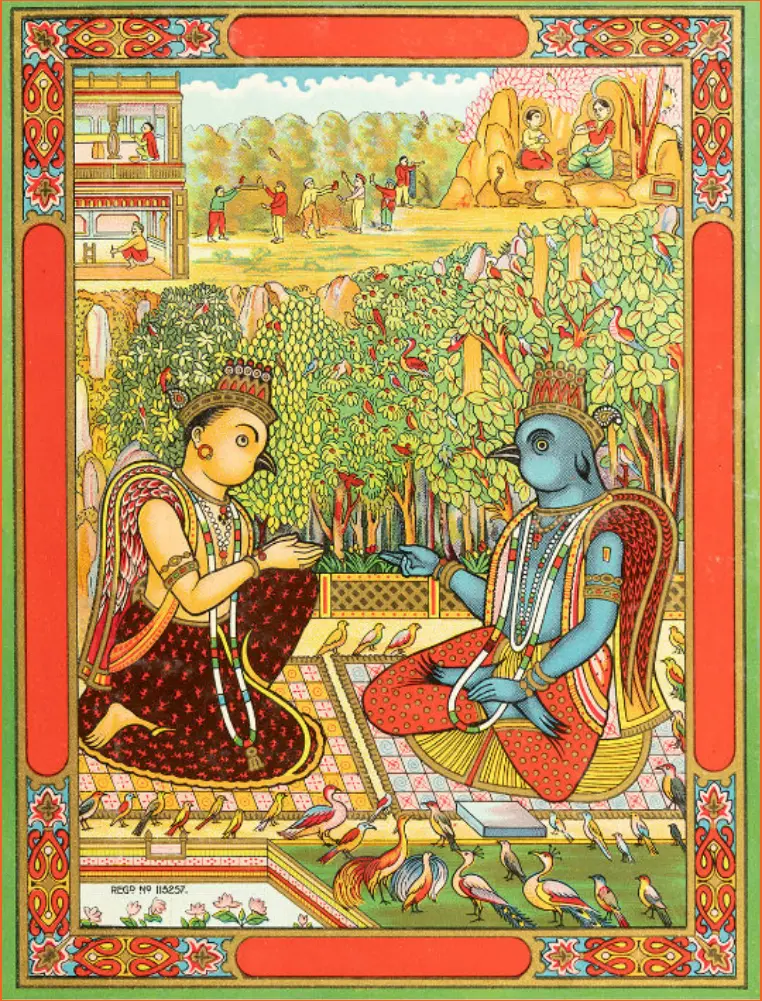
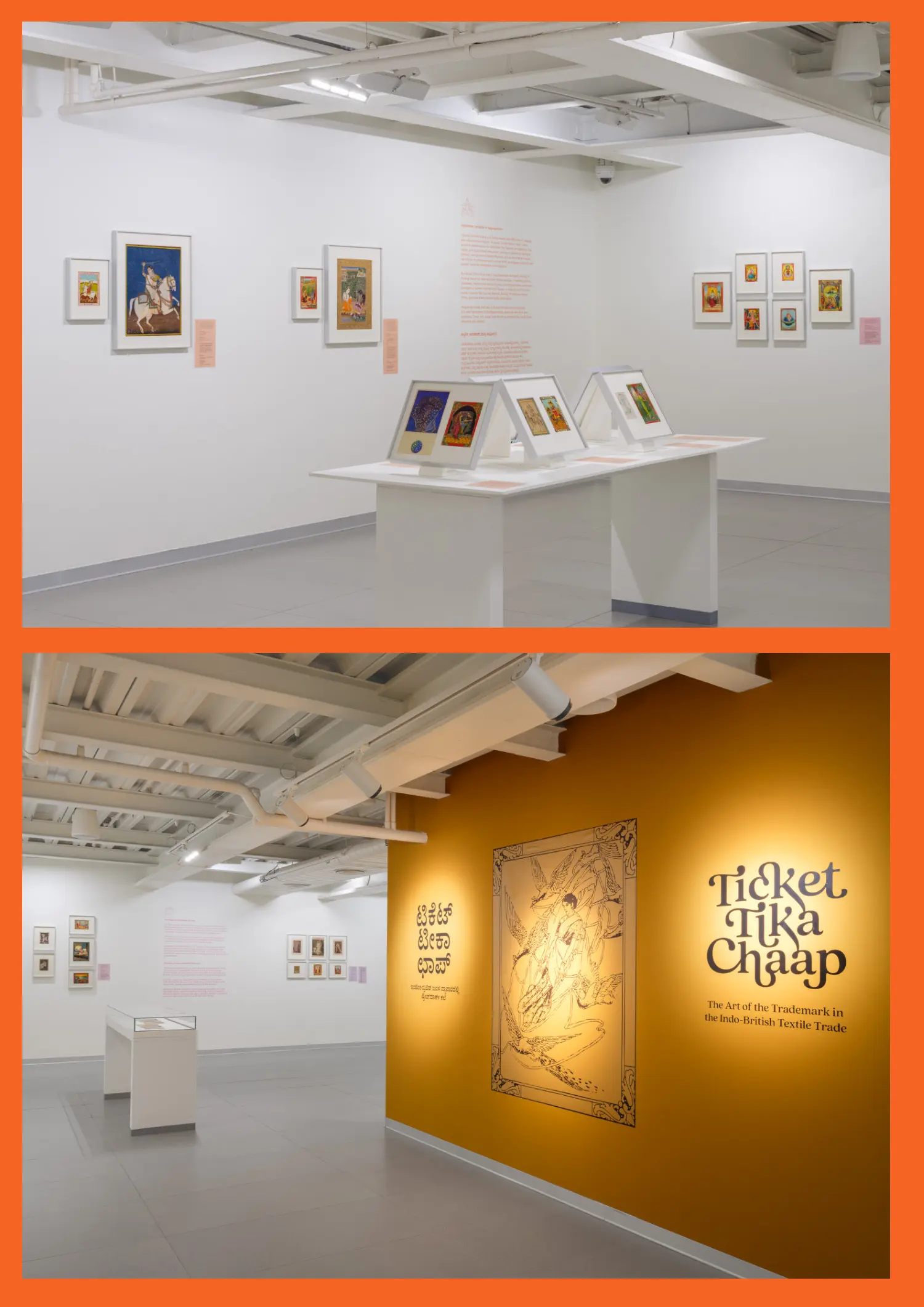
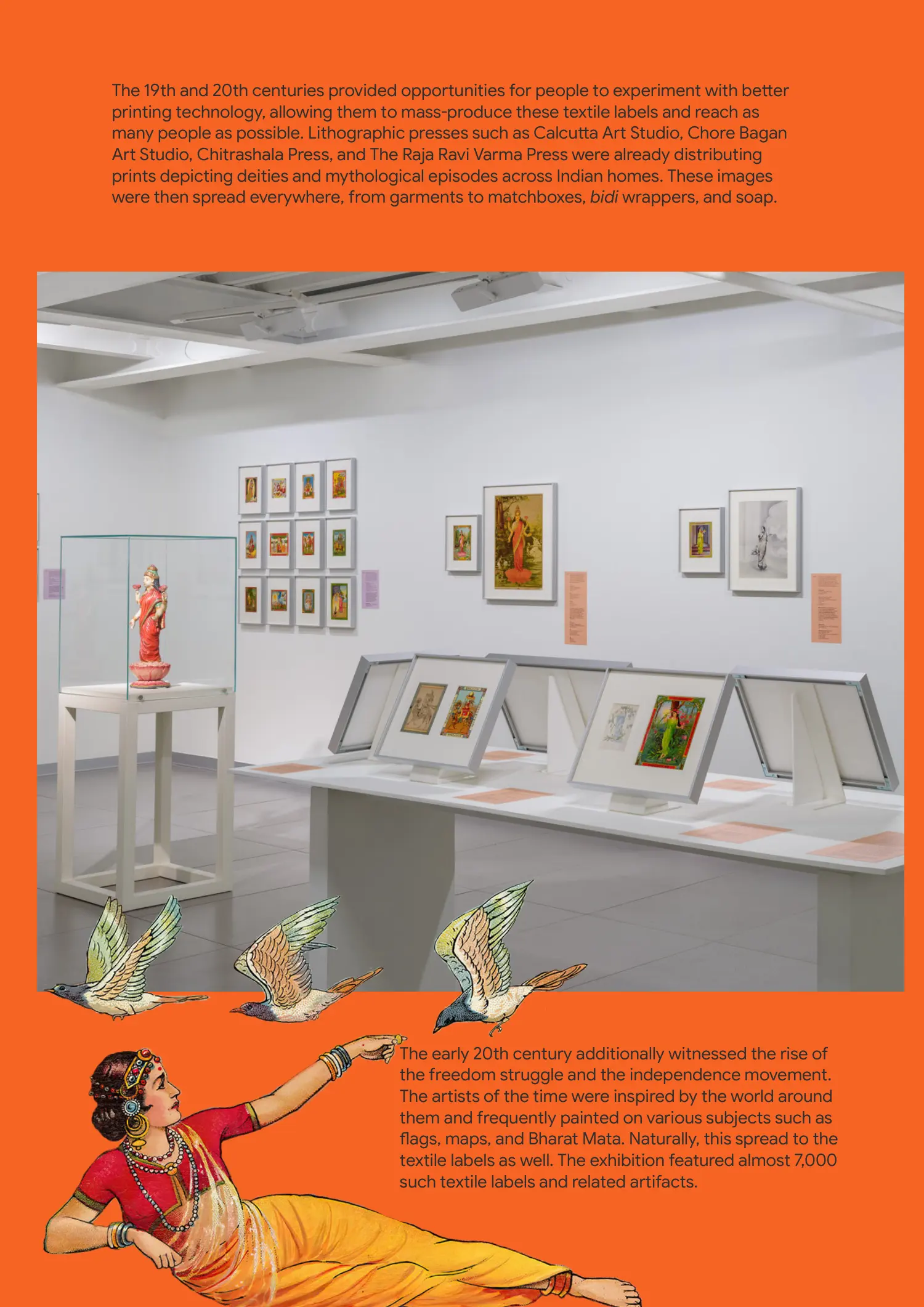
The 19th and 20th centuries provided opportunities for people to experiment with better printing technology, allowing them to mass-produce these textile labels and reach as many people as possible. Lithographic presses such as Calcutta Art Studio, Chore Bagan Art Studio, Chitrashala Press, and The Raja Ravi Varma Press were already distributing prints depicting deities and mythological episodes across Indian homes. These images were then spread everywhere, from garments to matchboxes, bidi wrappers, and soap.
The early 20th century additionally witnessed the rise of the freedom struggle and the independence movement. The artists of the time were inspired by the world around them and frequently painted on various subjects such as flags, maps, and Bharat Mata. Naturally, this spread to the textile labels as well. The exhibition featured almost 7,000 such textile labels and related artifacts.
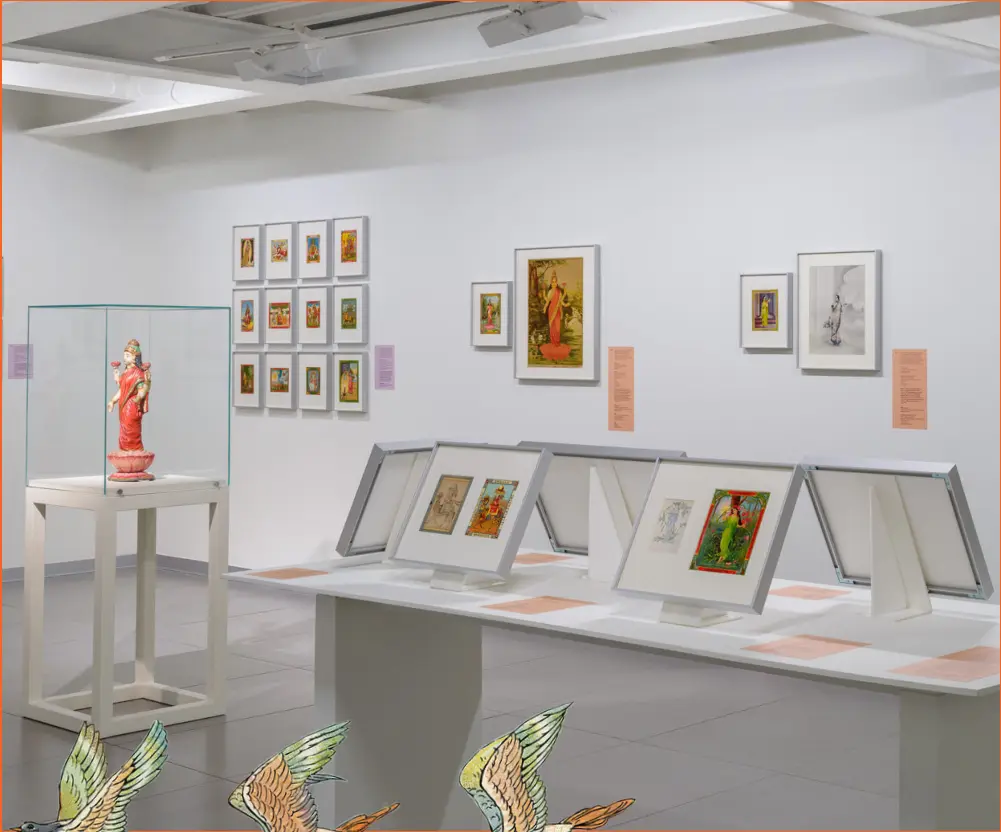
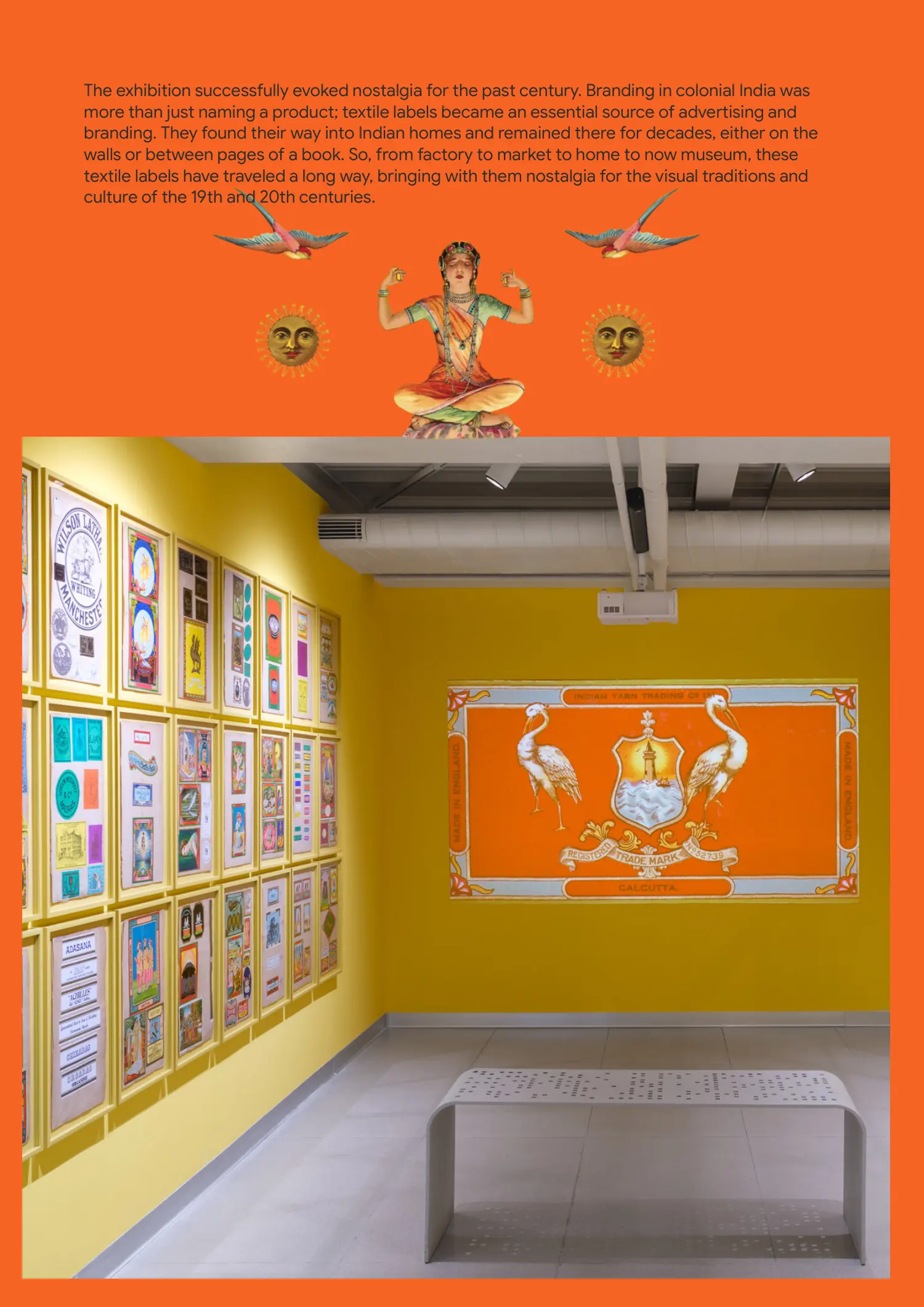
The exhibition successfully evoked nostalgia for the past century. Branding in colonial India was more than just naming a product; textile labels became an essential source of advertising and branding. They found their way into Indian homes and remained there for decades, either on the walls or between pages of a book. So, from factory to market to home to now museum, these textile labels have traveled a long way, bringing with them nostalgia for the visual traditions and culture of the 19th and 20th centuries.
View original pages, photographs & credits
Originally published in Museum Mosaic 2025, published May 2026.
Part of our annual review. Descriptions reflect the publication’s reporting period.