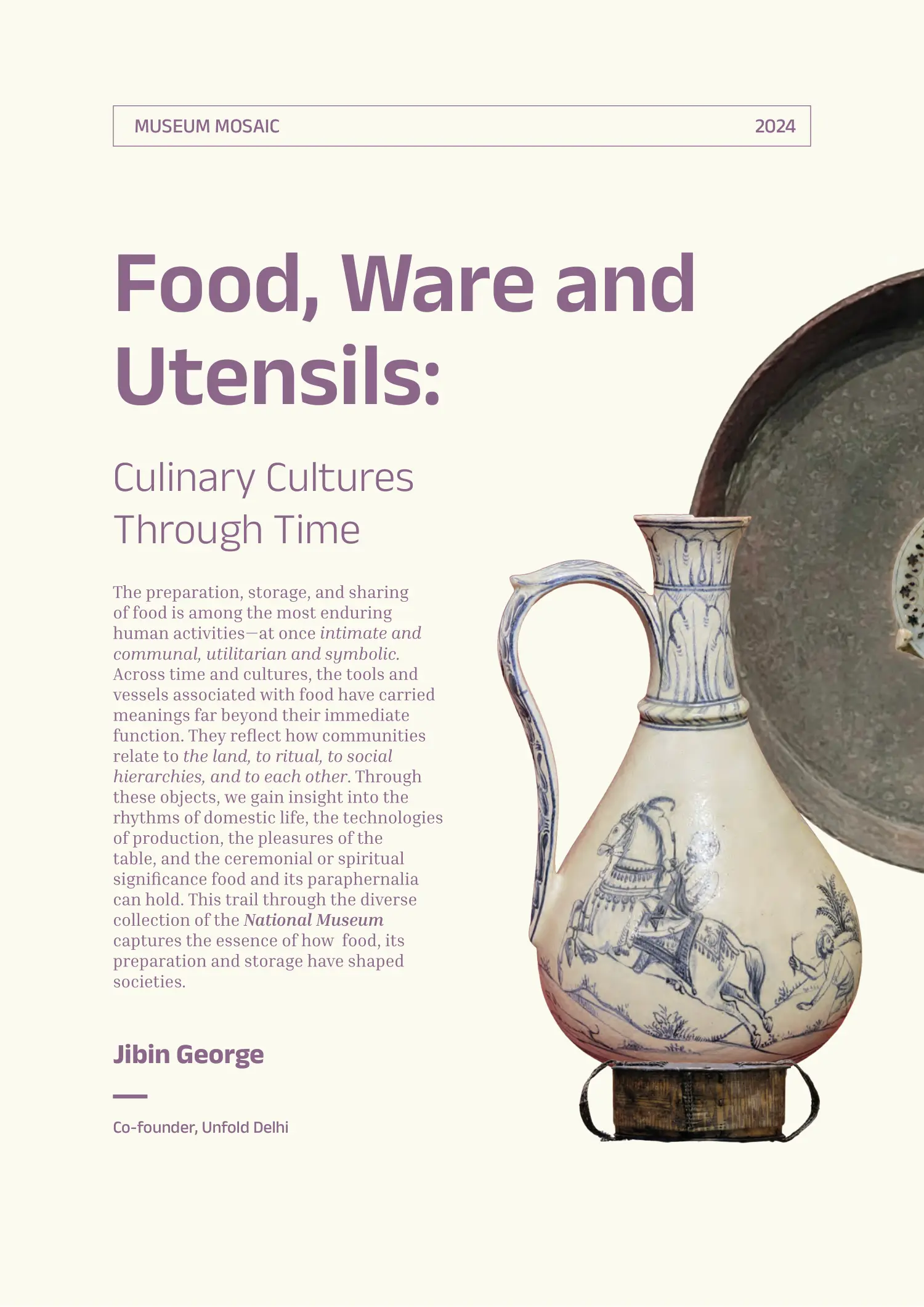
intimate and communal, utilitarian and symbolic.
the land, to ritual, to social hierarchies, and to each other
National Museum
societies.
Jibin George
Co-founder, Unfold Delhi

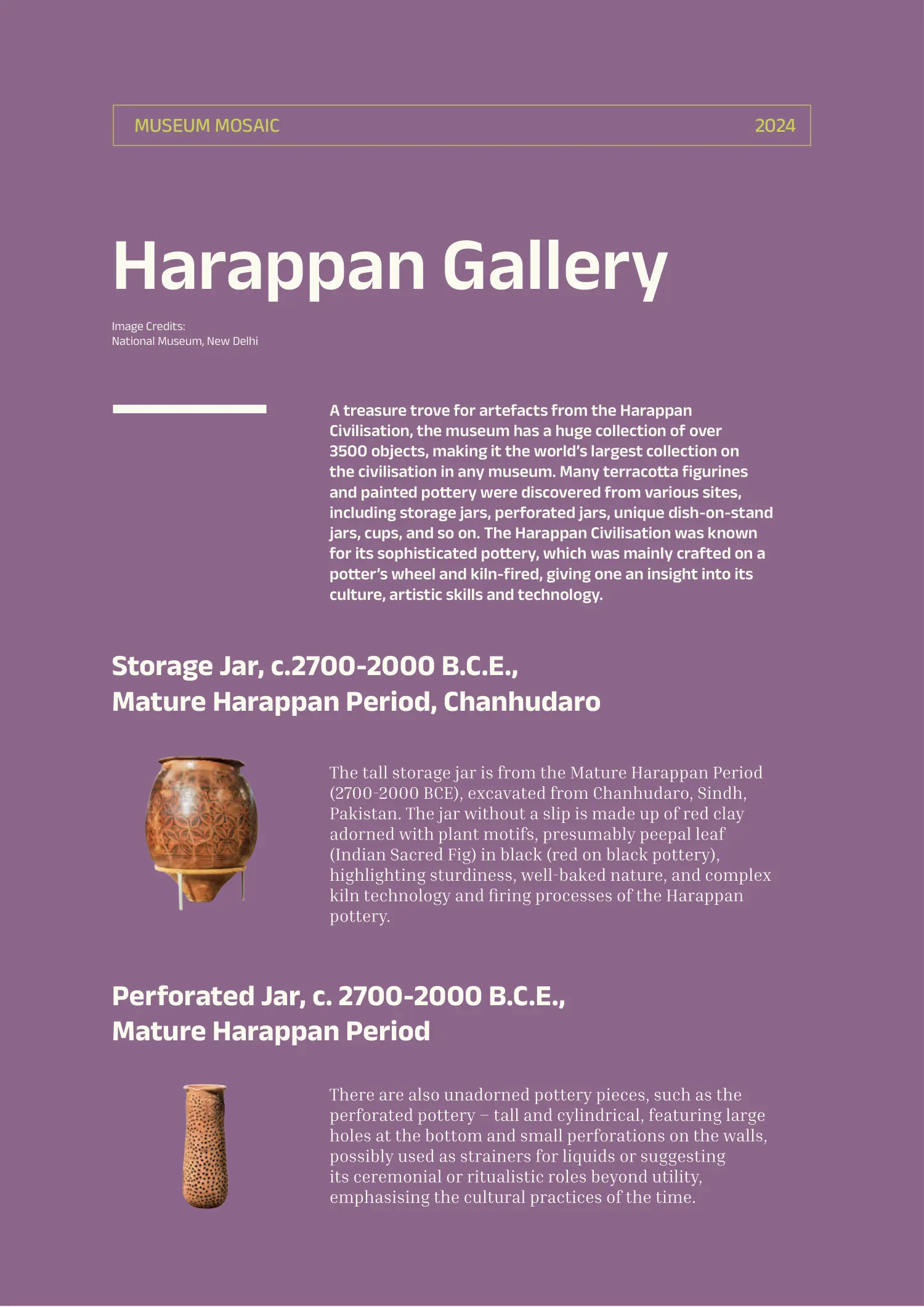
Harappan Gallery
Image Credits: National Museum, New Delhi
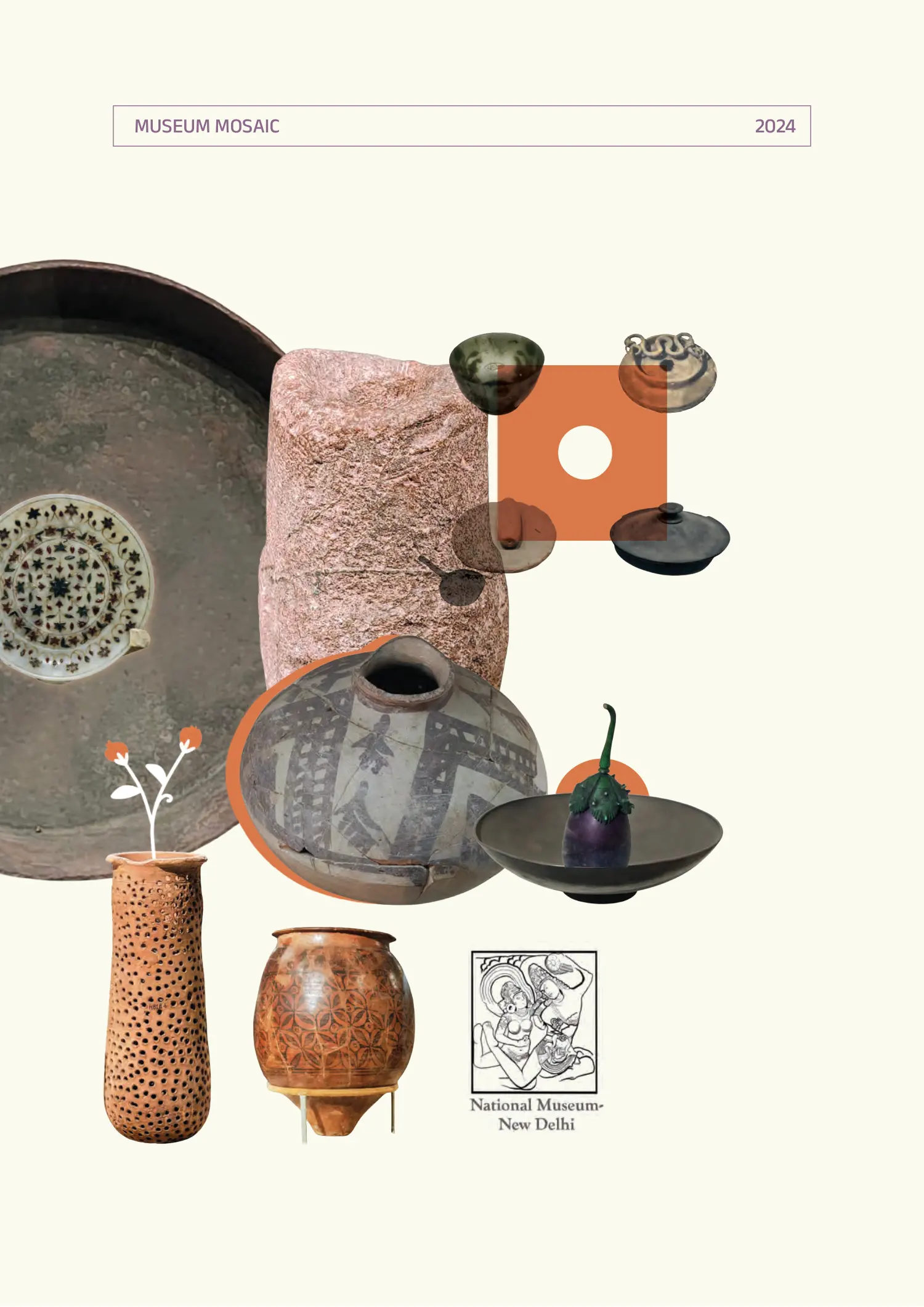
A treasure trove for artefacts from the Harappan Civilisation, the museum has a huge collection of over 3500 objects, making it the world’s largest collection on
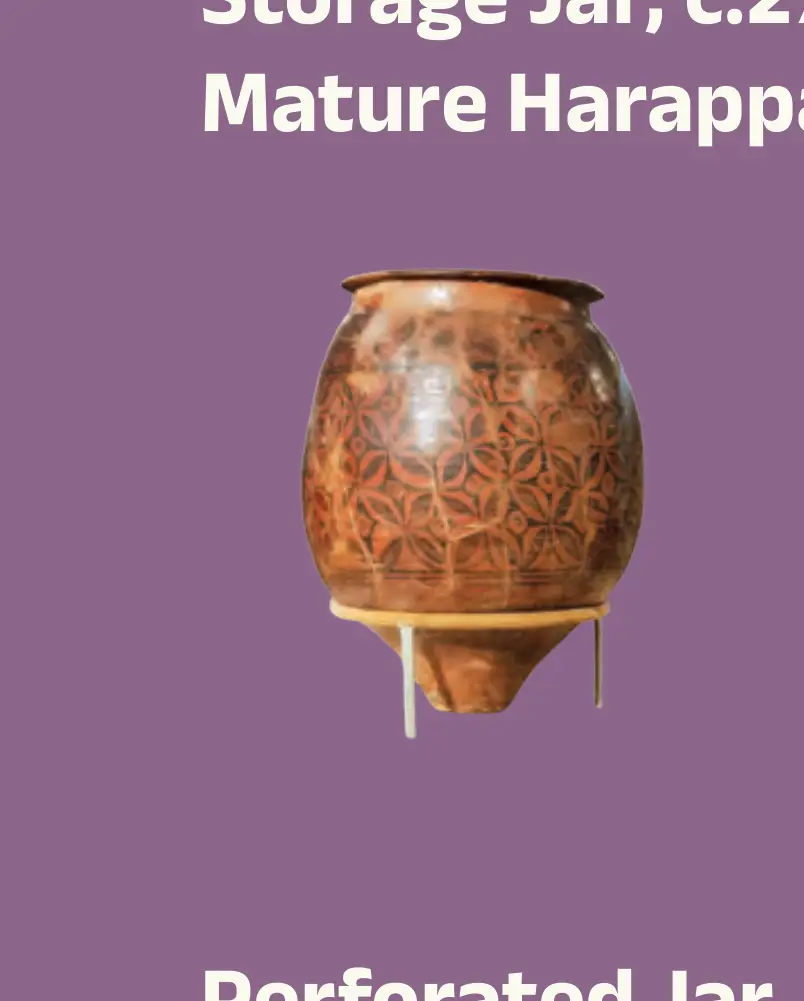
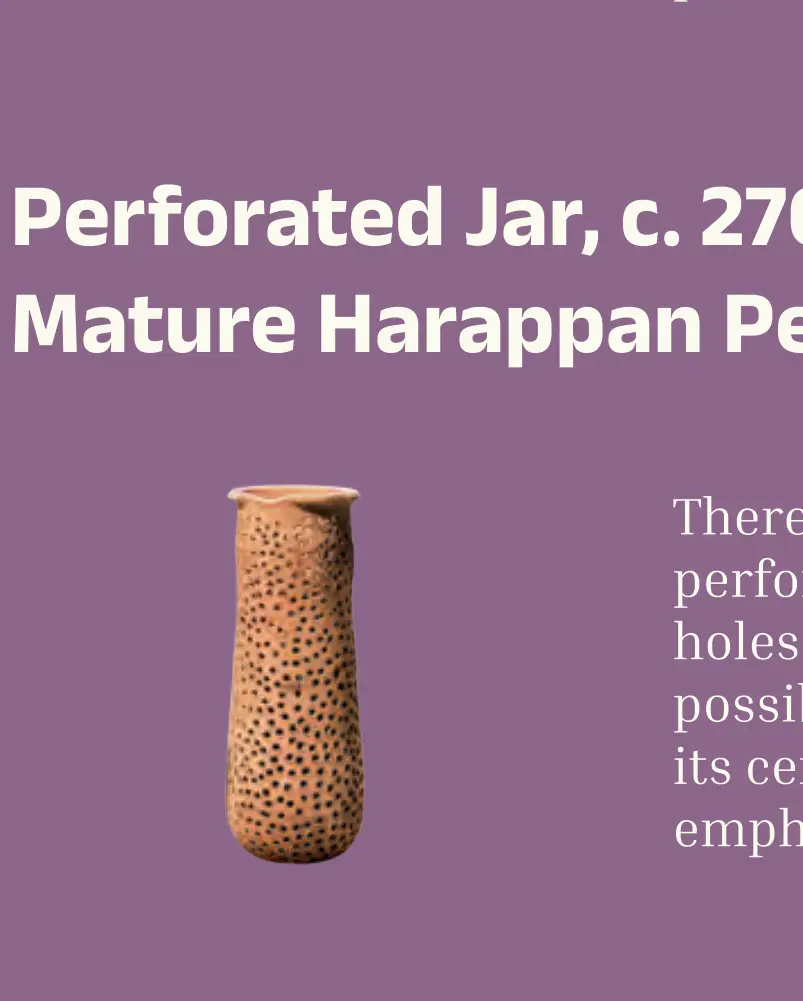
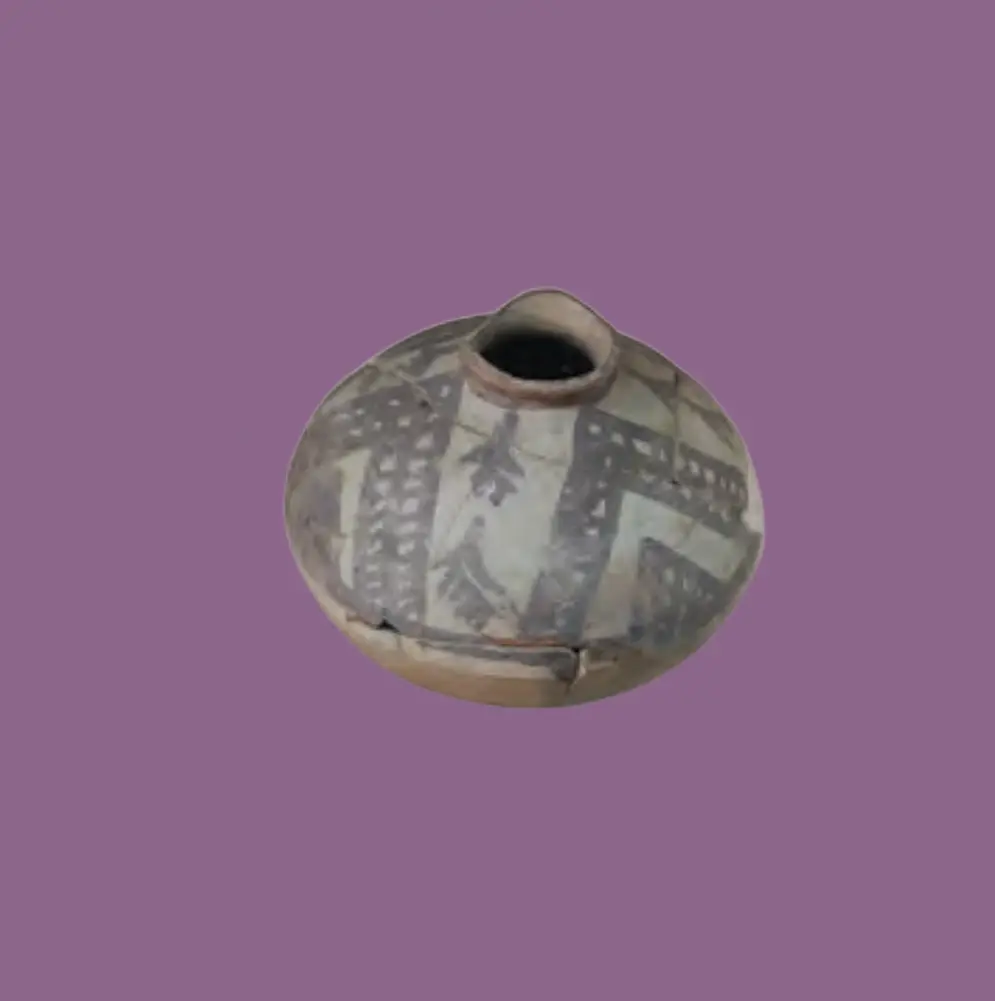
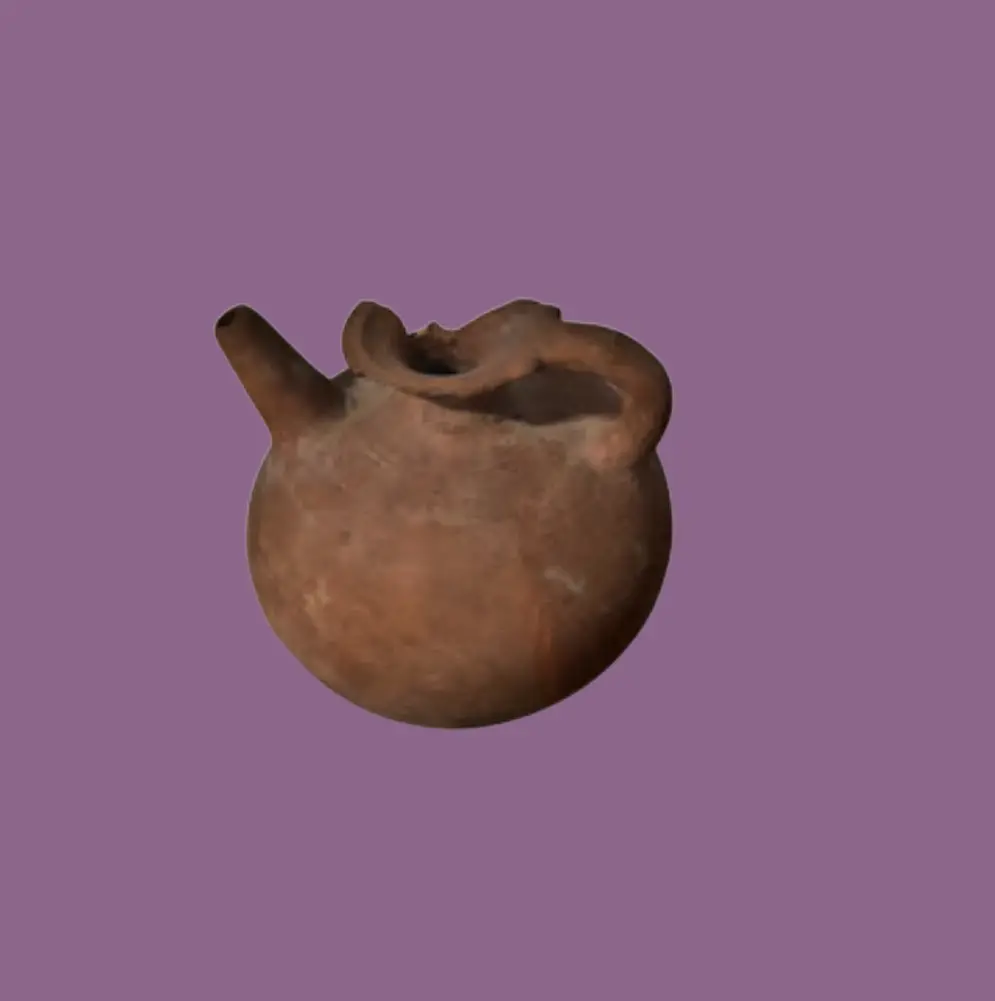
and painted pottery were discovered from various sites, including storage jars, perforated jars, unique dish-on-stand jars, cups, and so on. The Harappan Civilisation was known for its sophisticated pottery, which was mainly crafted on a
culture, artistic skills and technology.
Storage Jar, c.2700-2000 B.C.E., Mature Harappan Period, Chanhudaro
Perforated Jar, c. 2700-2000 B.C.E., Mature Harappan Period
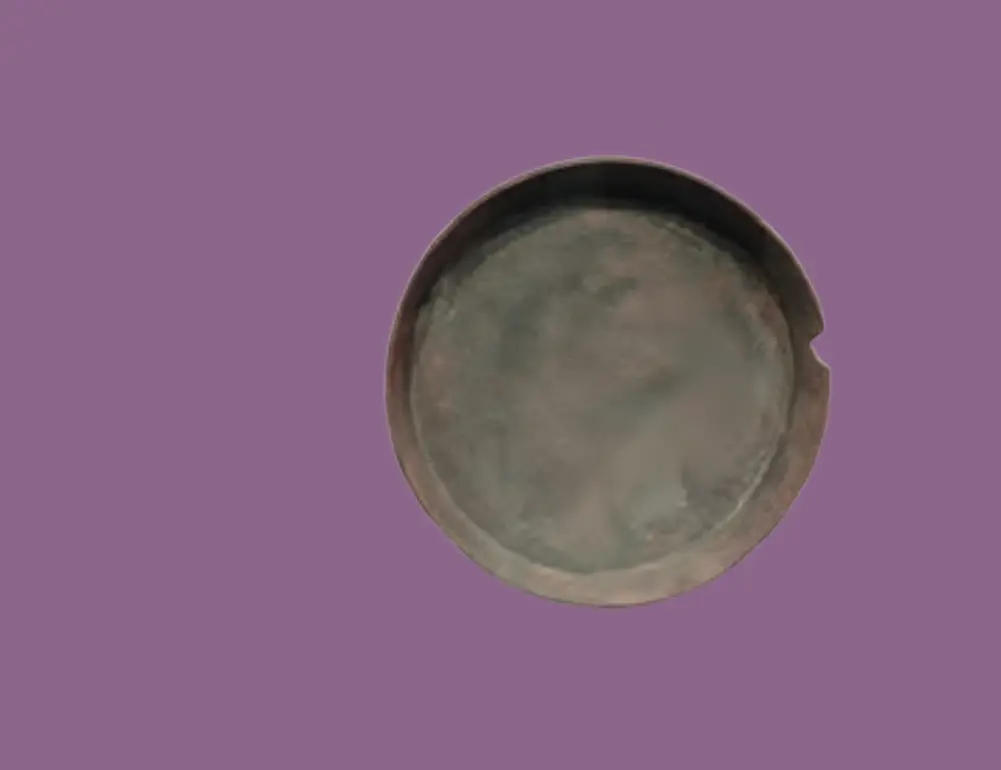
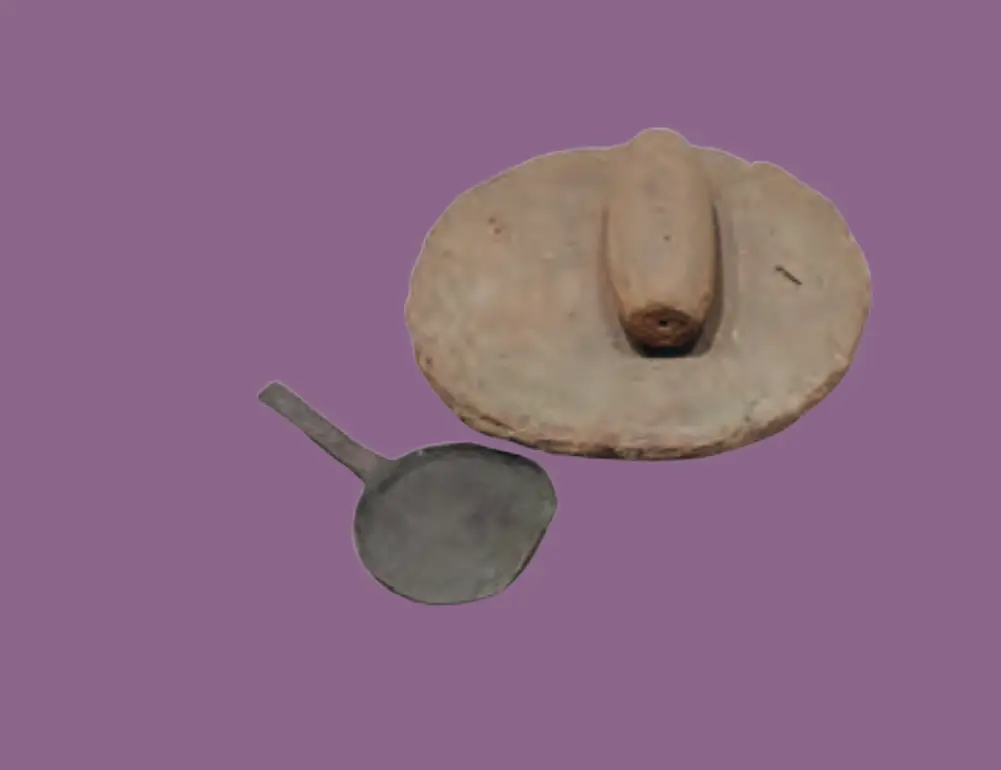
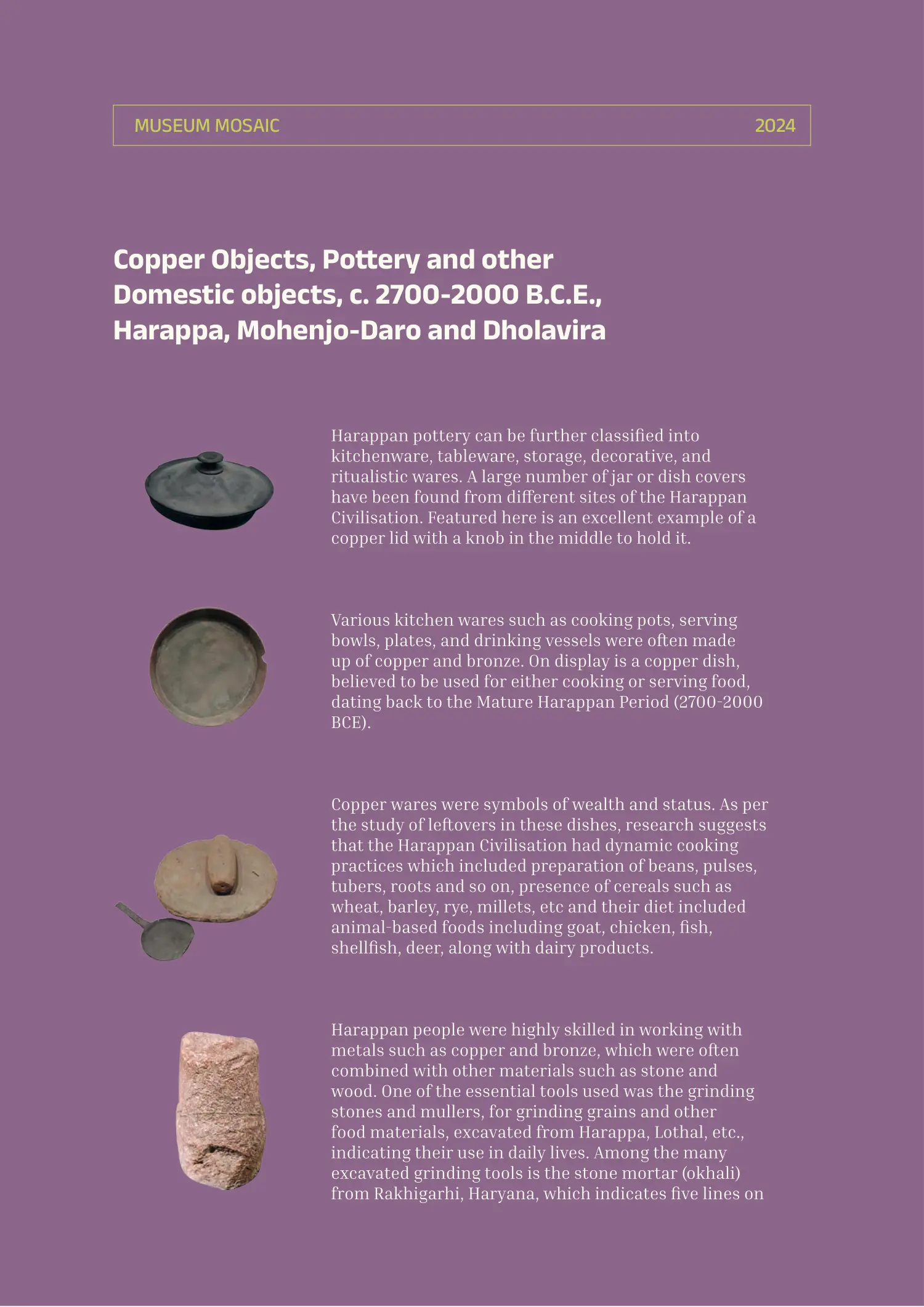
Copper Objects, Pottery and other Domestic objects, c. 2700-2000 B.C.E., Harappa, Mohenjo-Daro and Dholavira
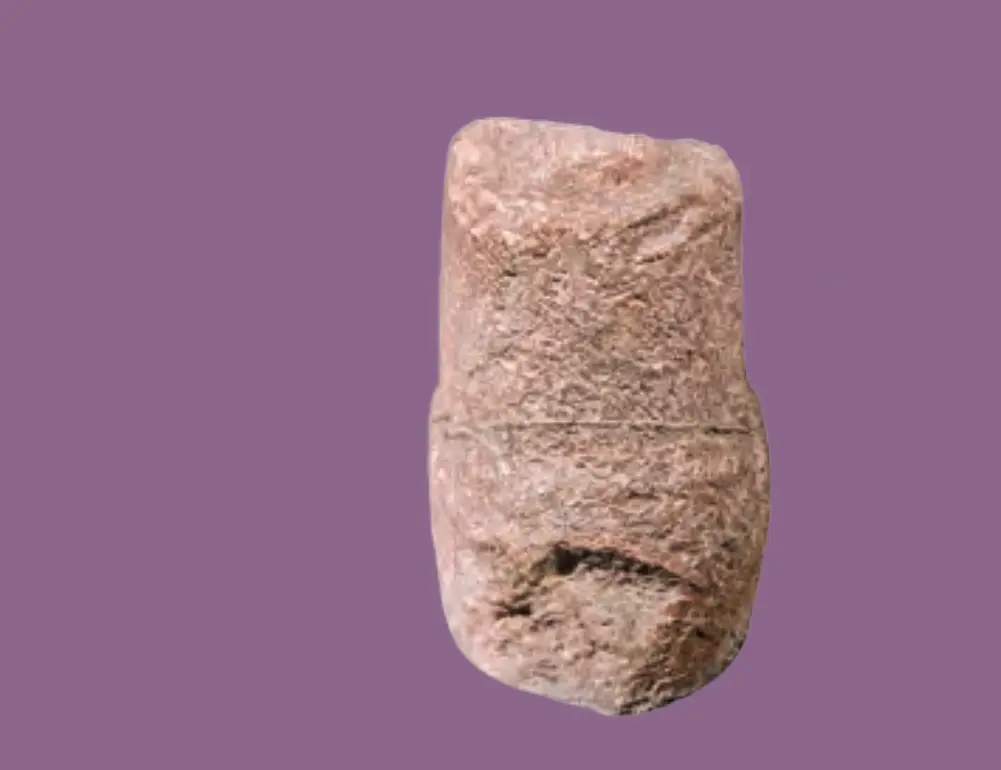
Tribal Lifestyle of North -East India Gallery
Image Credits: National Museum, New Delhi
The gallery is dedicated to the art and culture of the tribal societies of the North-eastern part of India. The diverse and fascinating gallery exhibits attires, ornaments, headgear, puppets, utilitarian objects, basketry, and more highlighting the rich traditional, religious, and social heritage of the tribal communities from the North Eastern Indian states.
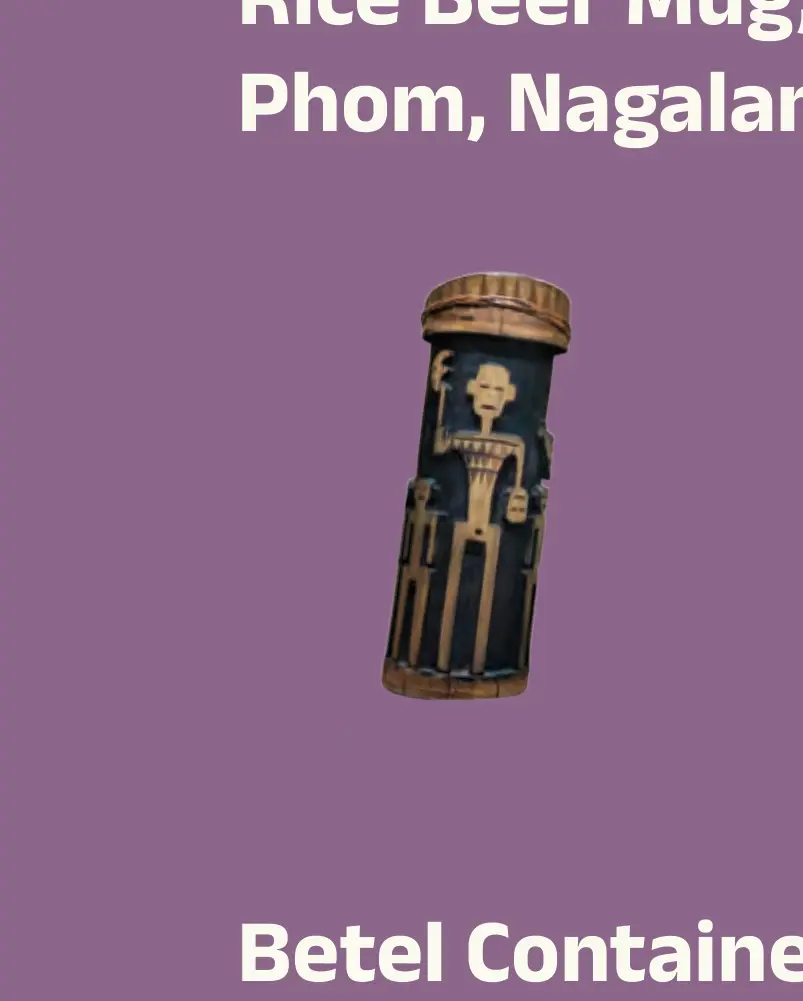
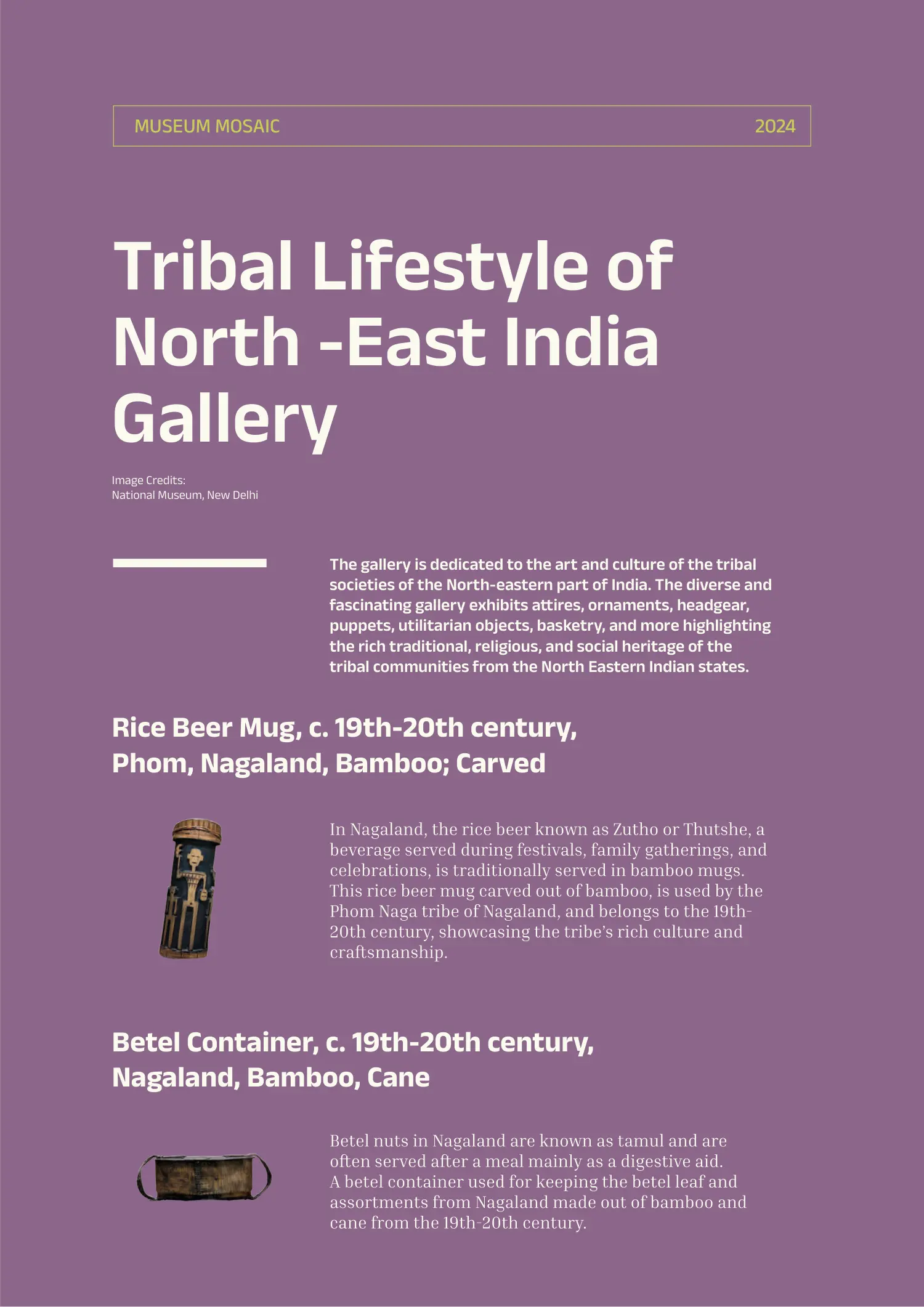
Rice Beer Mug, c. 19th-20th century, Phom, Nagaland, Bamboo; Carved
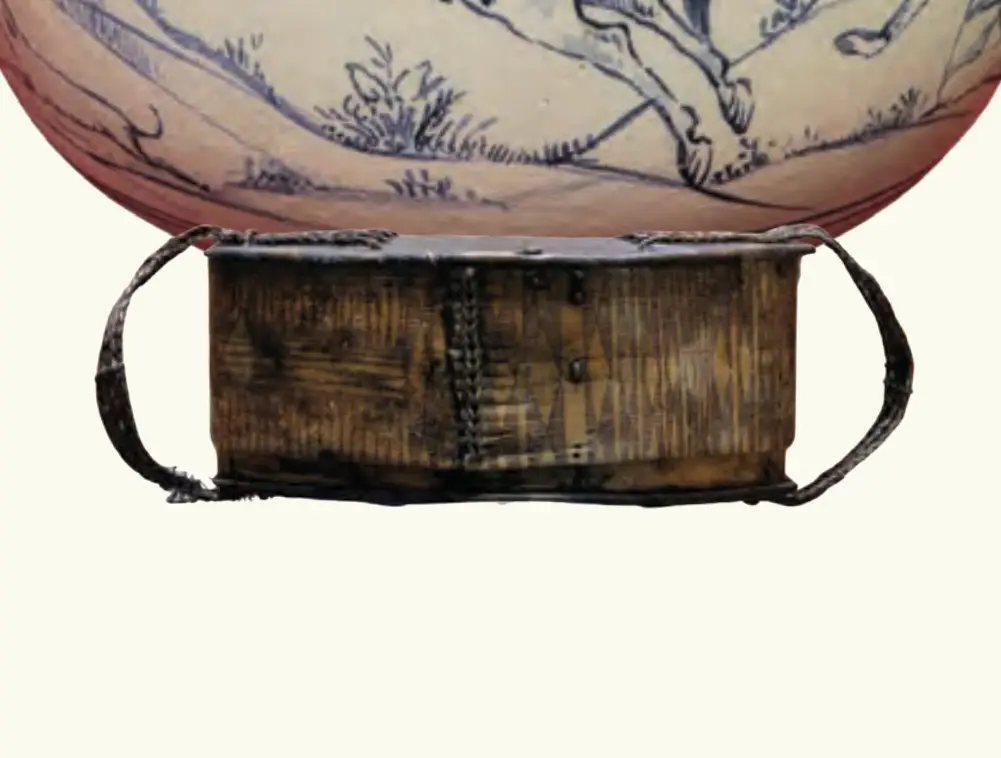
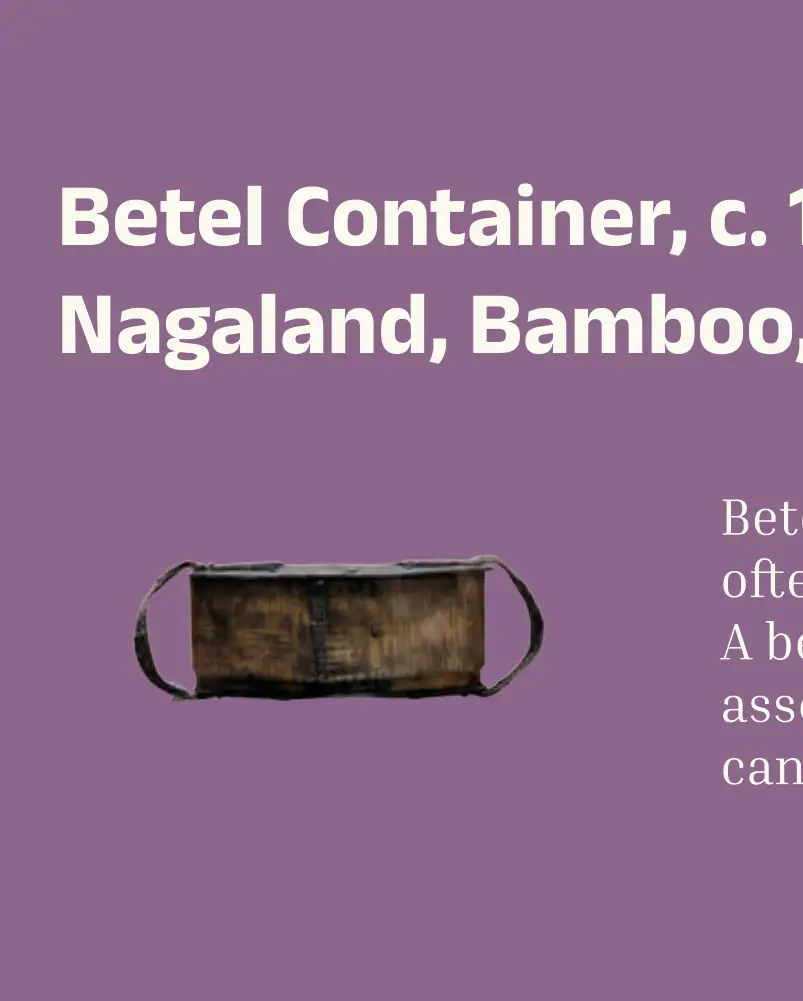
Betel Container, c. 19th-20th century, Nagaland, Bamboo, Cane
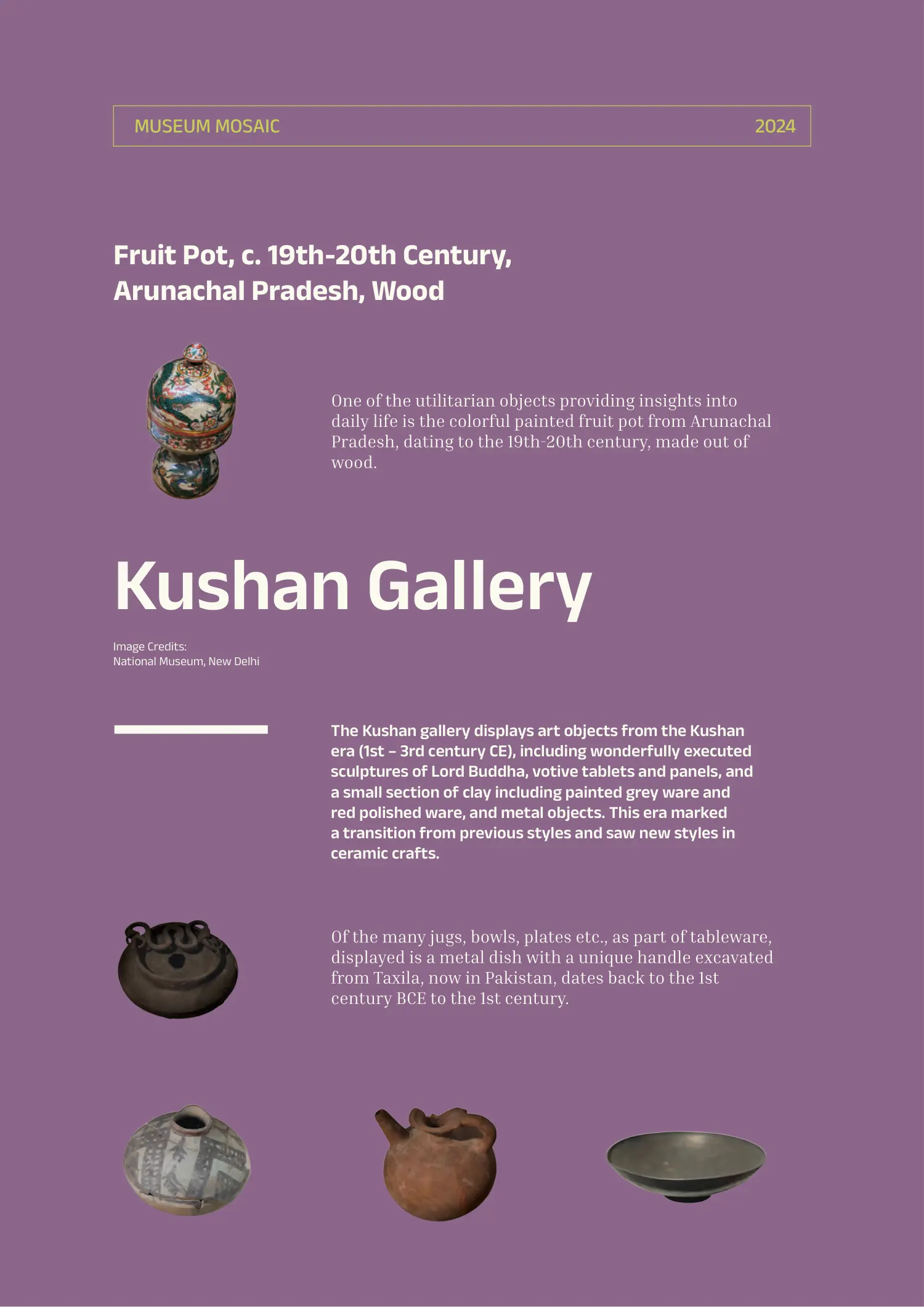
Fruit Pot, c. 19th-20th Century, Arunachal Pradesh, Wood
wood.
Kushan Gallery
Image Credits: National Museum, New Delhi
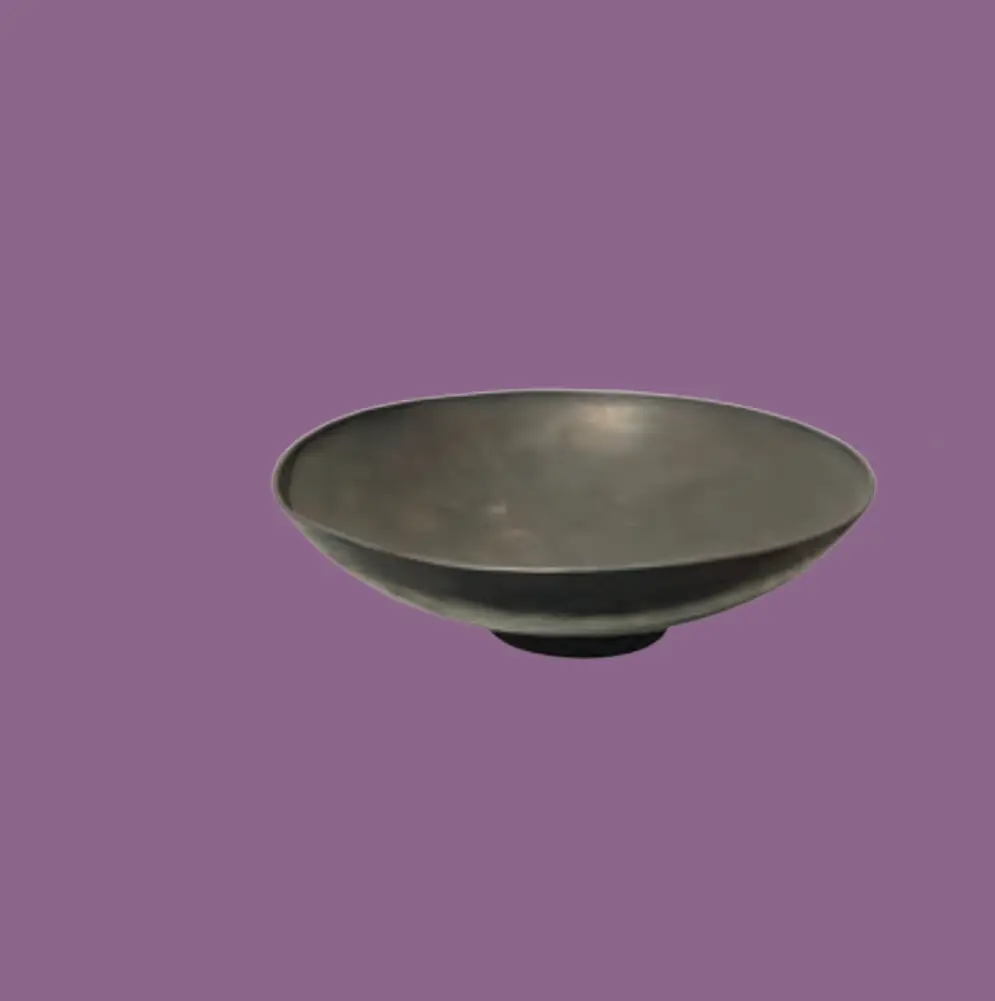
The Kushan gallery displays art objects from the Kushan era (1st – 3rd century CE), including wonderfully executed sculptures of Lord Buddha, votive tablets and panels, and a small section of clay including painted grey ware and red polished ware, and metal objects. This era marked a transition from previous styles and saw new styles in ceramic crafts.
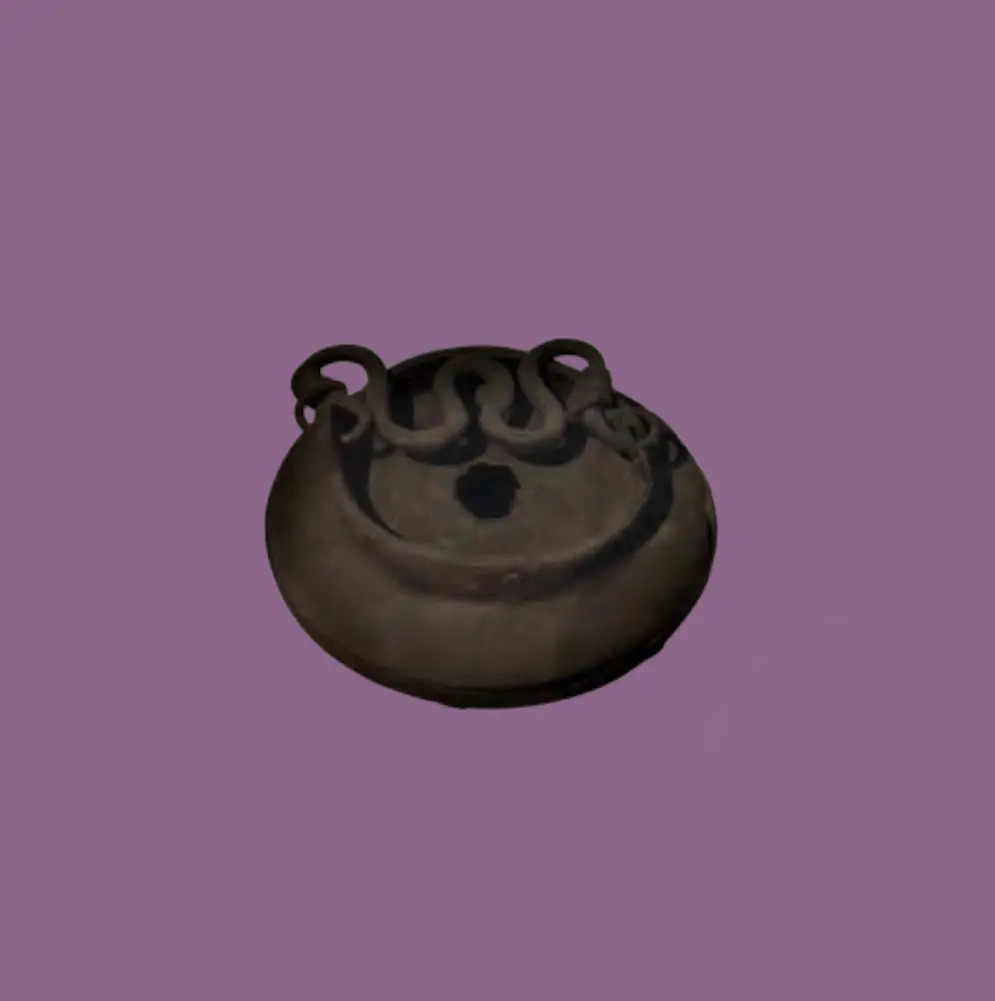
Decorative Arts Gallery
Image Credits: National Museum, New Delhi
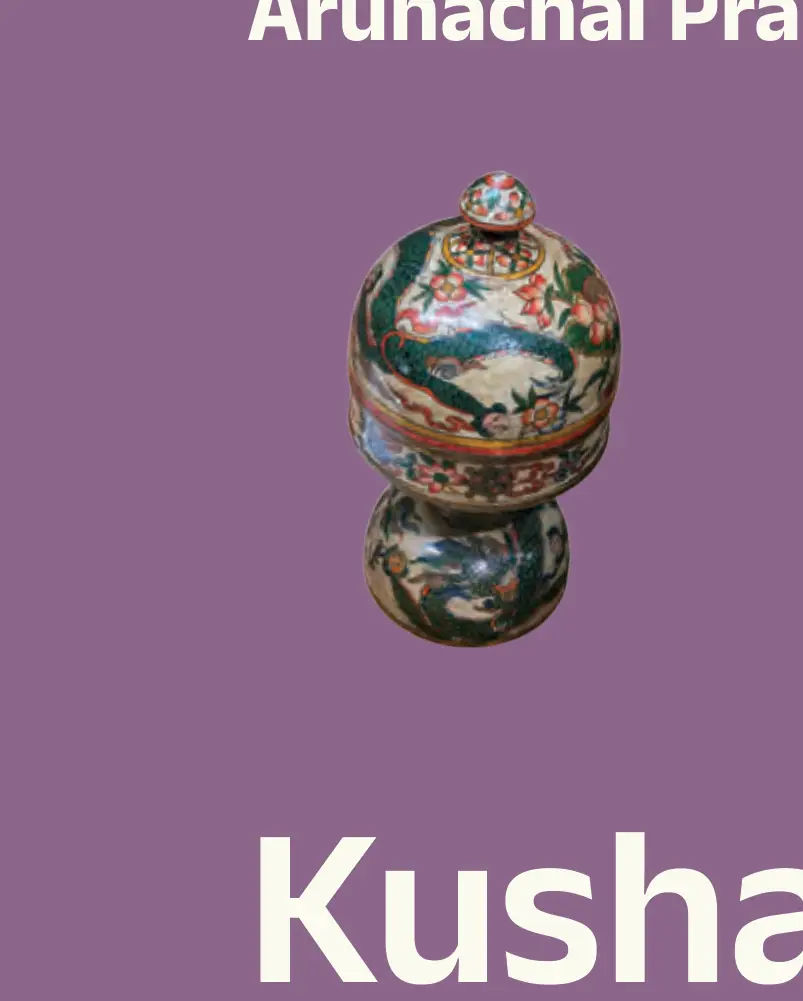
showcasing daily and ceremonial objects made from ivory, jade, ceramic, wood, metal, and more.
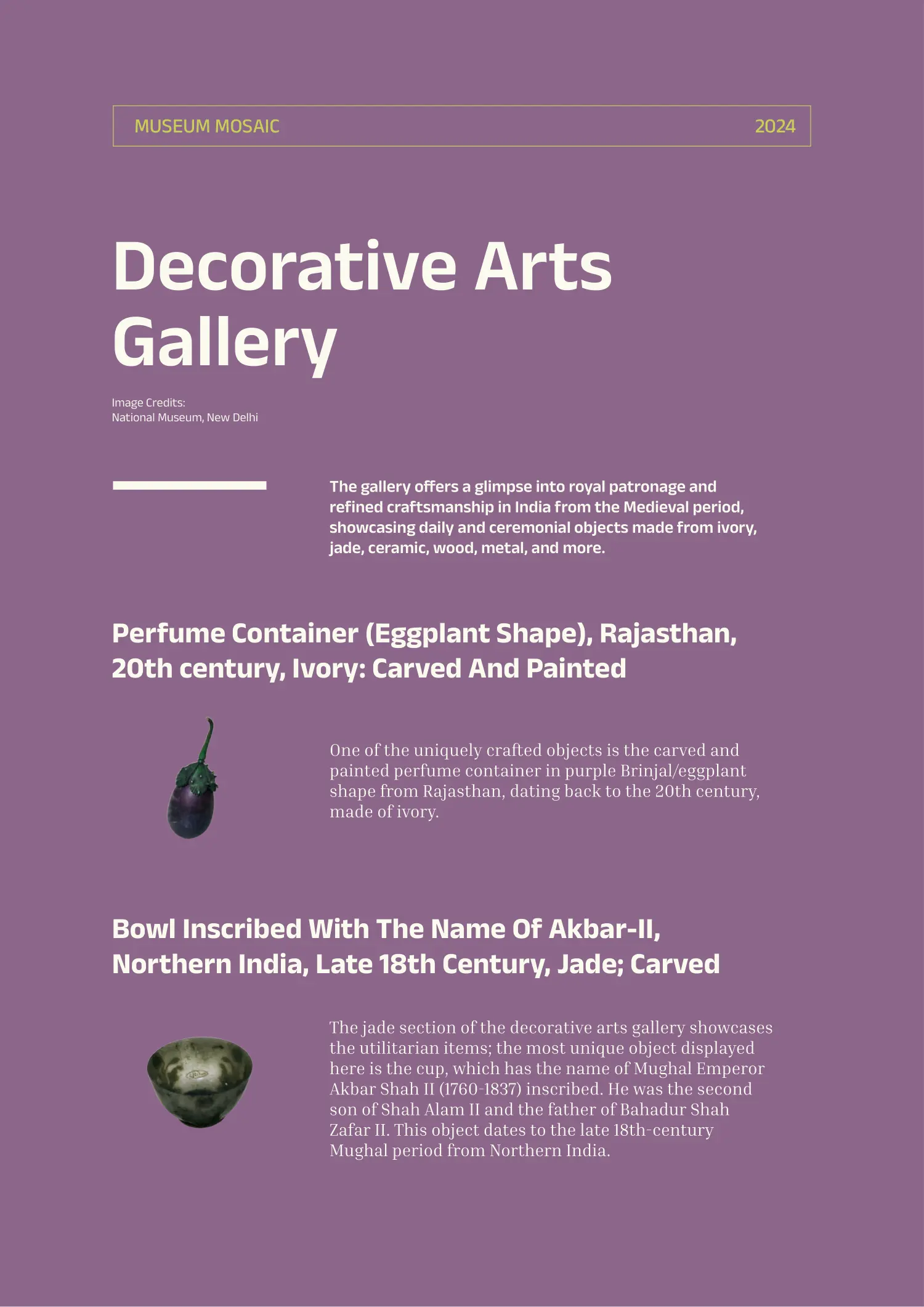
Perfume Container (Eggplant Shape), Rajasthan, 20th century, Ivory: Carved And Painted
Bowl Inscribed With The Name Of Akbar-II, Northern India, Late 18th Century, Jade; Carved
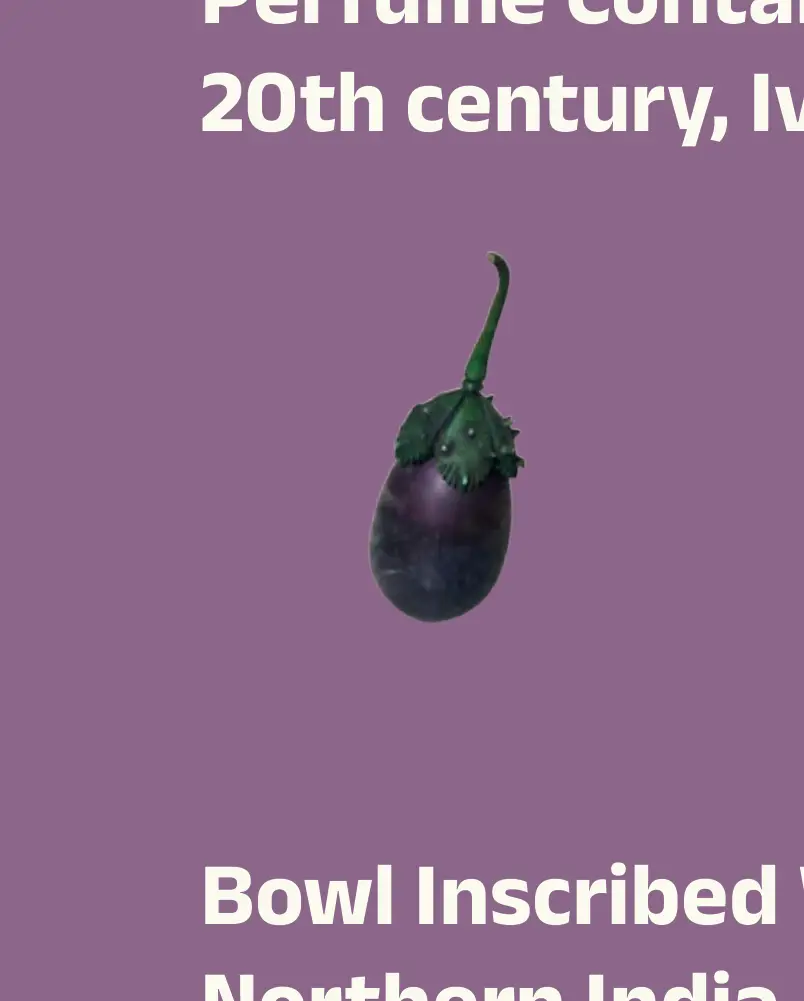
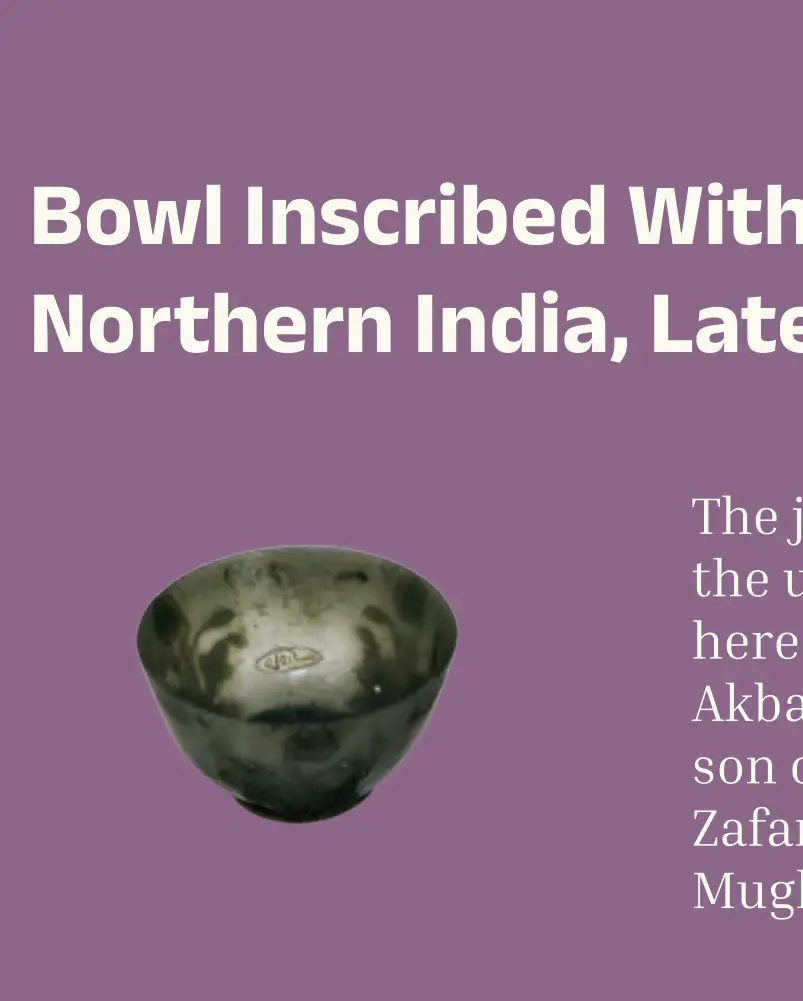
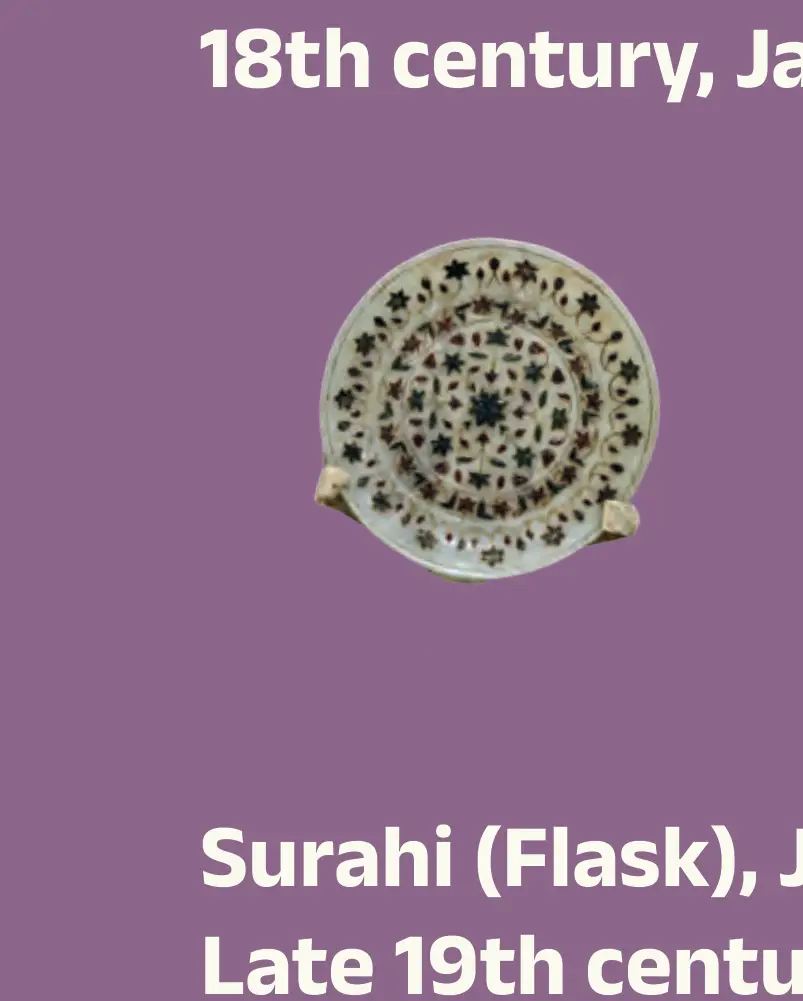
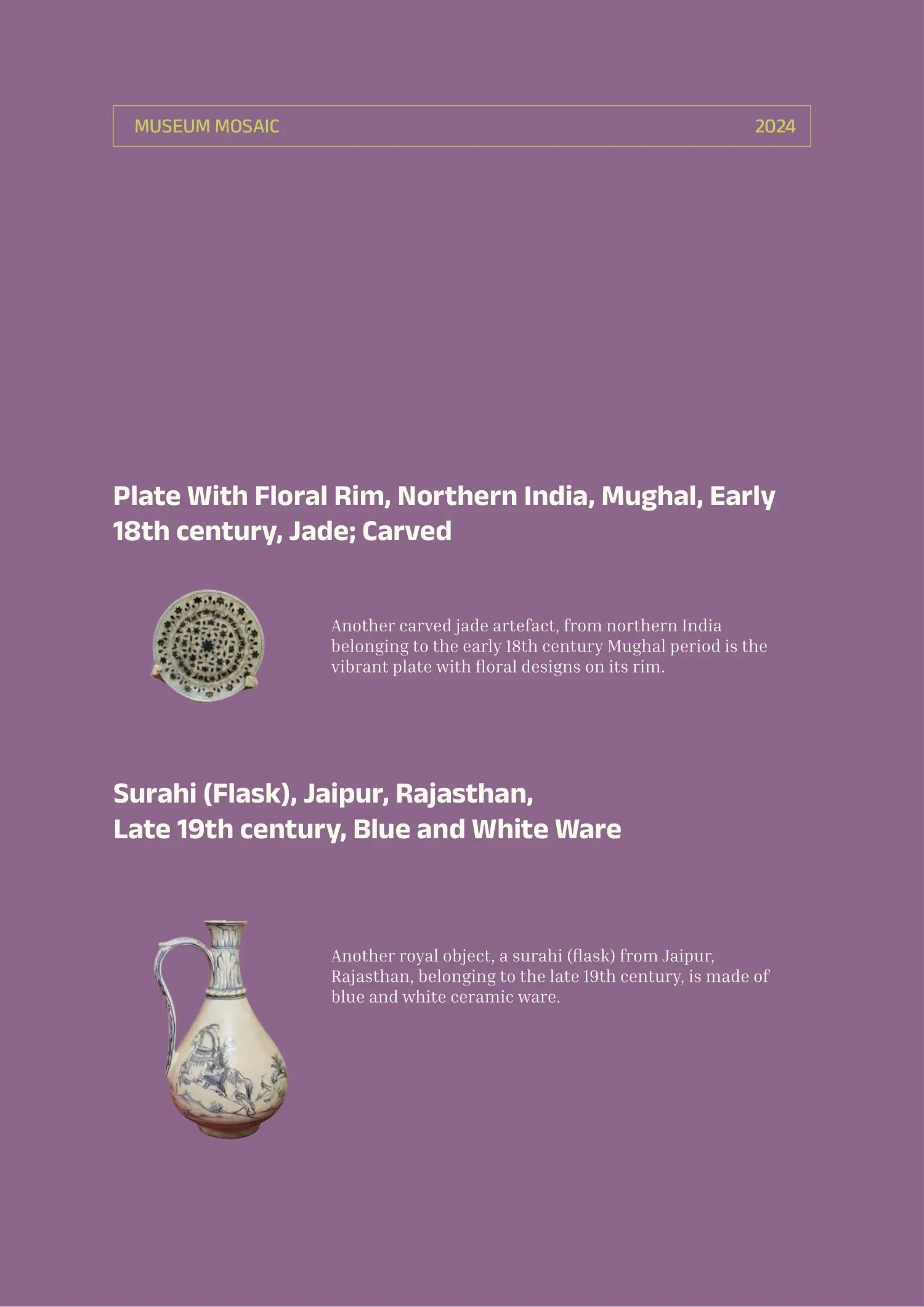
Plate With Floral Rim, Northern India, Mughal, Early 18th century, Jade; Carved
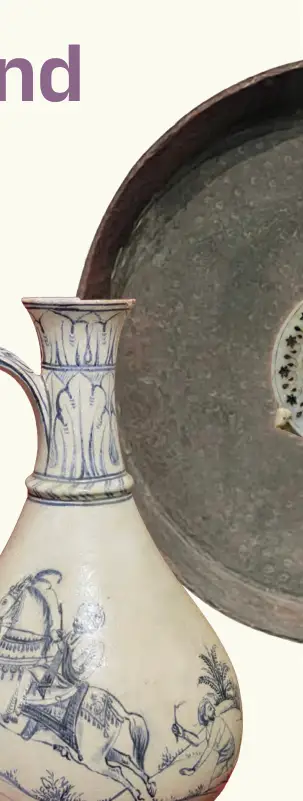
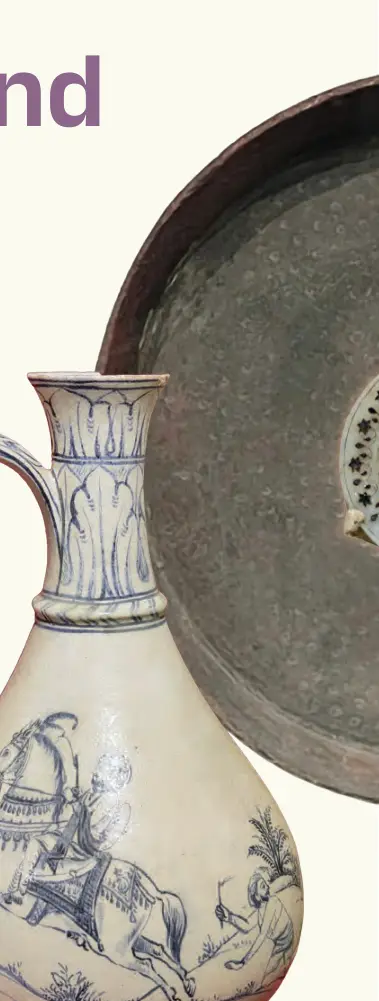
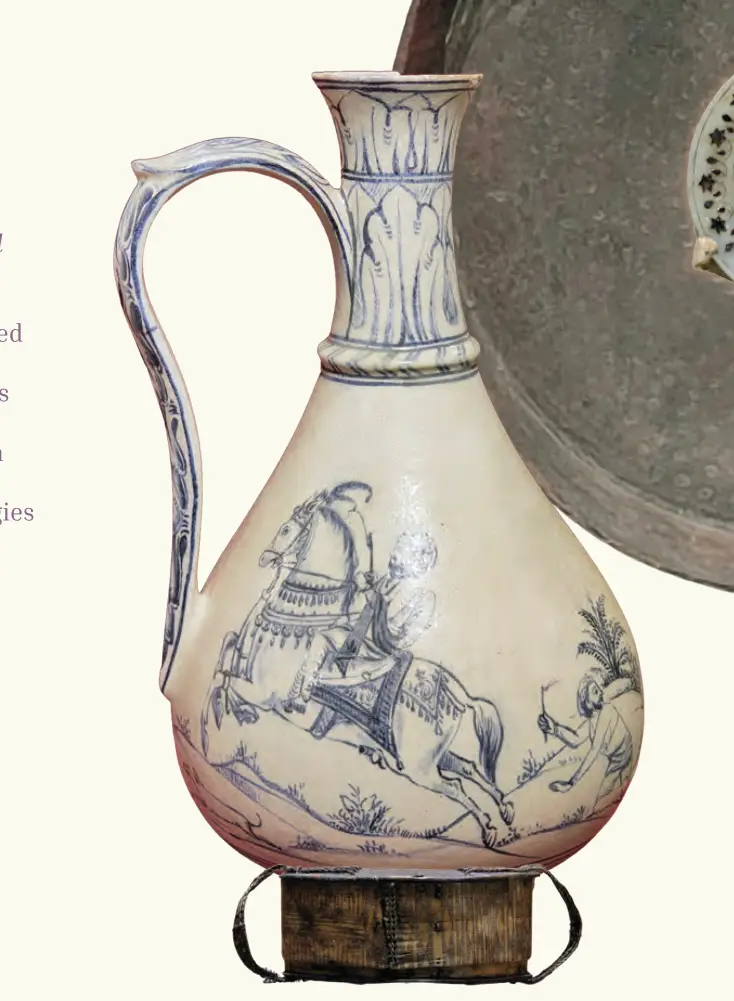
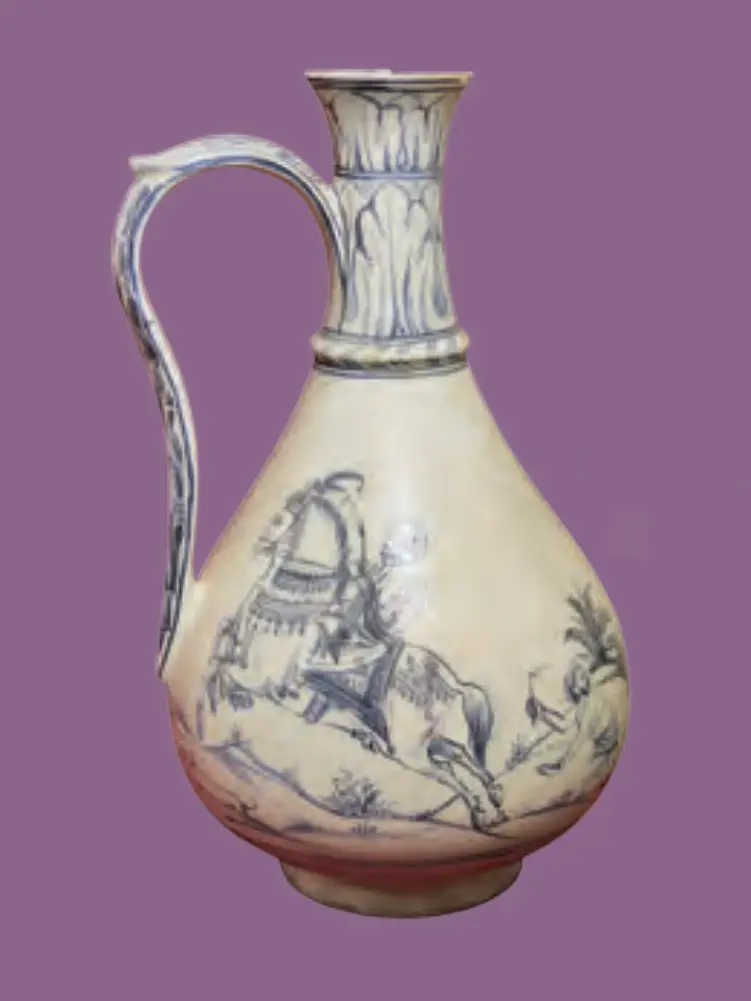
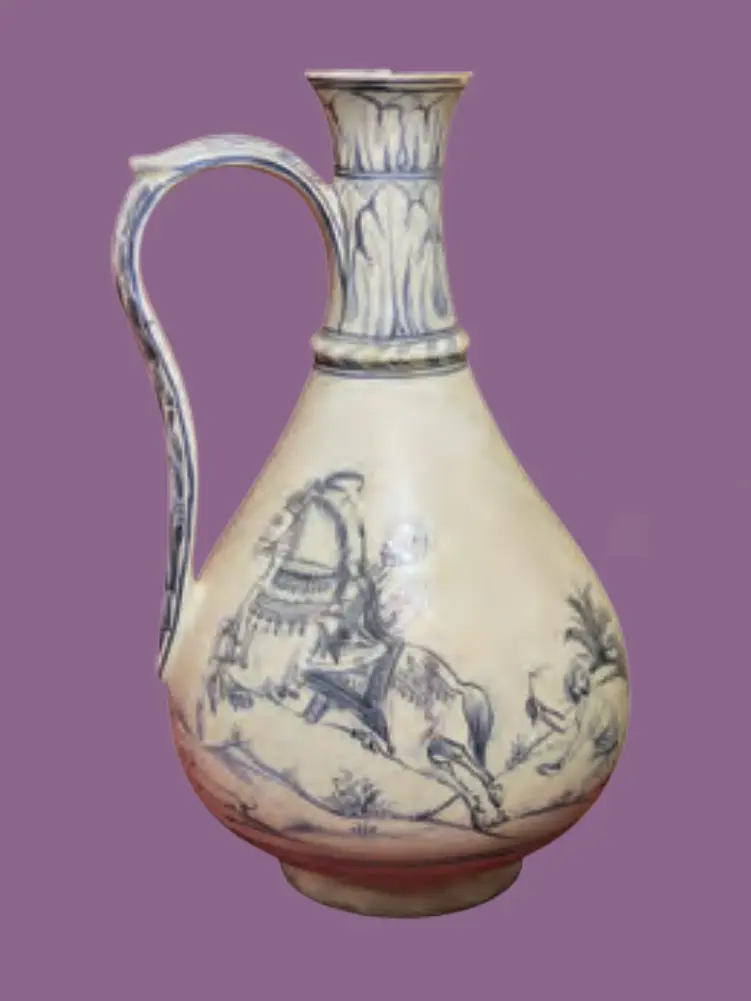
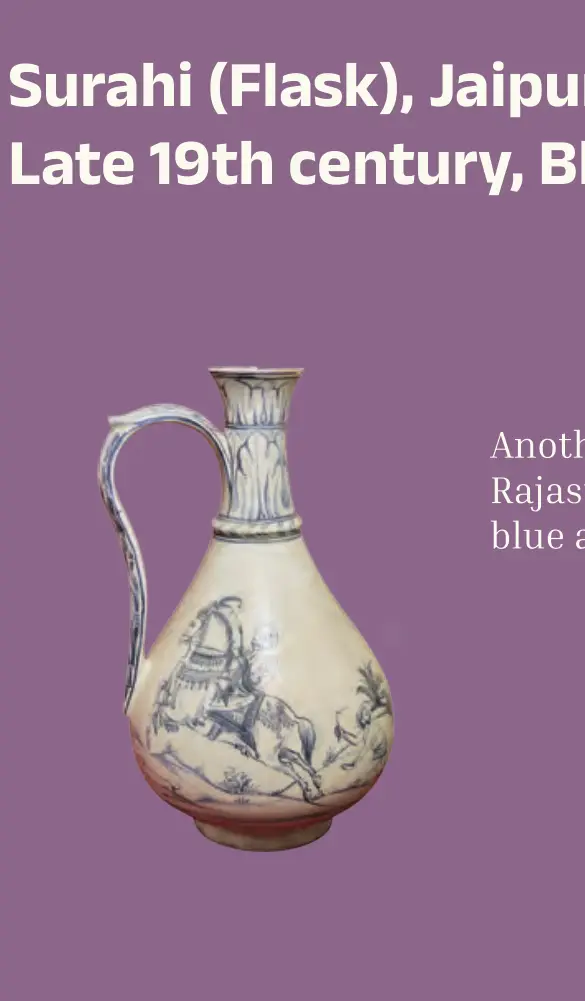
Surahi (Flask), Jaipur, Rajasthan, Late 19th century, Blue and White Ware
View original pages, photographs & credits
Originally published in Museum Mosaic 2024, published May 2025.
Part of our annual review. Descriptions reflect the publication’s reporting period.