Telangana State Archeology Museum, Hyderabad
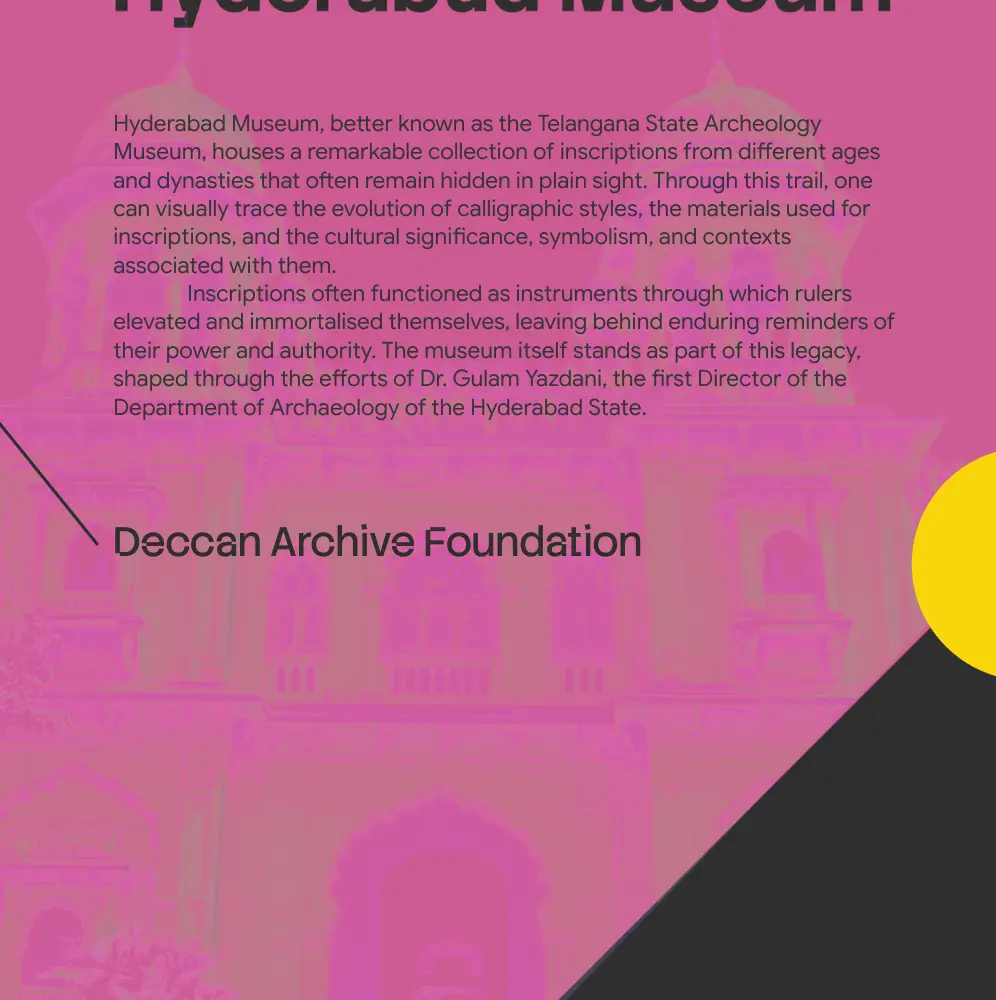
Hyderabad Museum, better known as the Telangana State Archeology Museum, houses a remarkable collection of inscriptions from different ages and dynasties that often remain hidden in plain sight. Through this trail, one can visually trace the evolution of calligraphic styles, the materials used for inscriptions, and the cultural significance, symbolism, and contexts associated with them. Inscriptions often functioned as instruments through which rulers elevated and immortalised themselves, leaving behind enduring reminders of their power and authority. The museum itself stands as part of this legacy, shaped through the efforts of Dr. Gulam Yazdani, the first Director of the Department of Archaeology of the Hyderabad State.
Deccan Archive Foundation
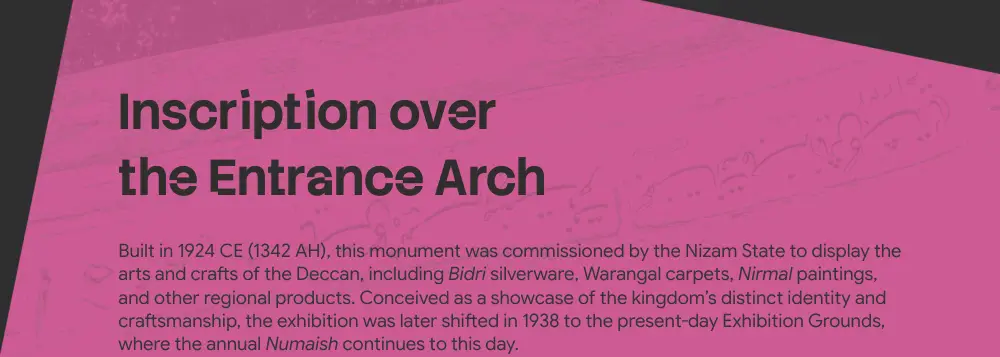
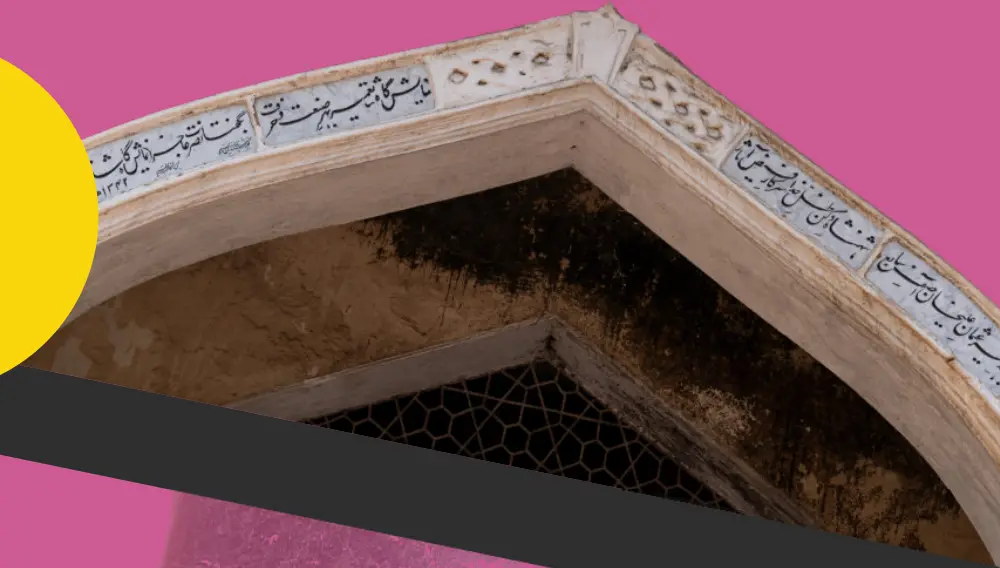
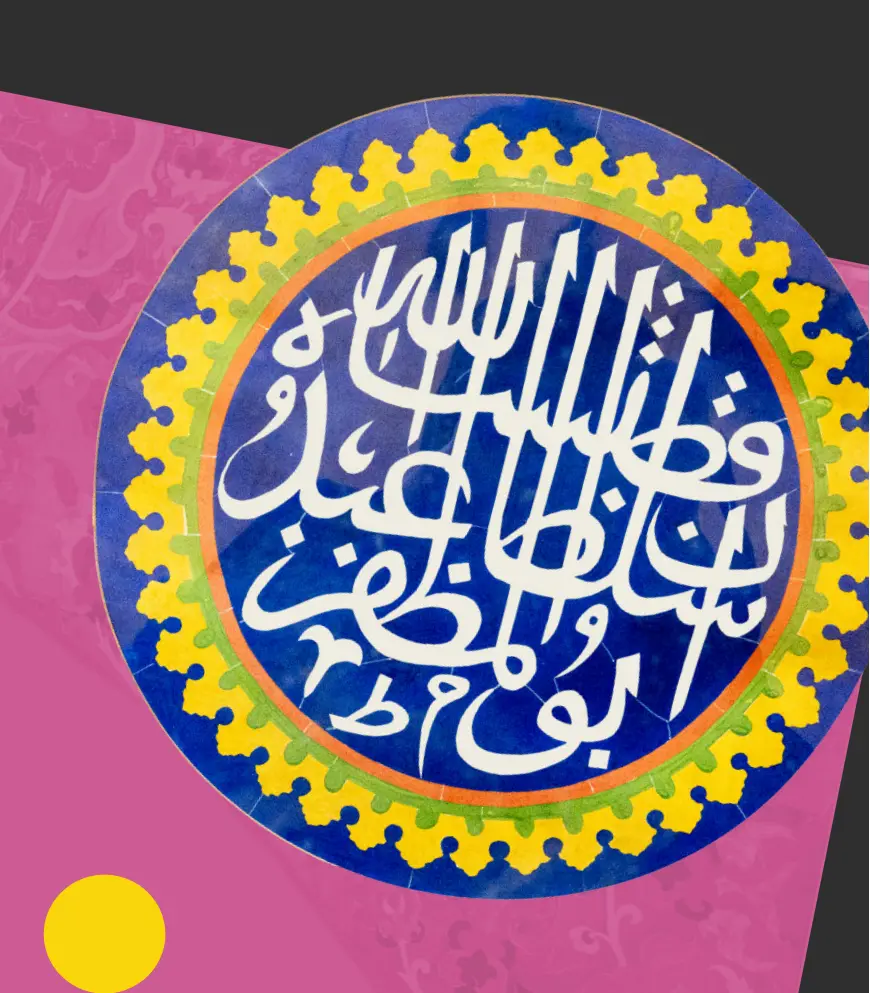
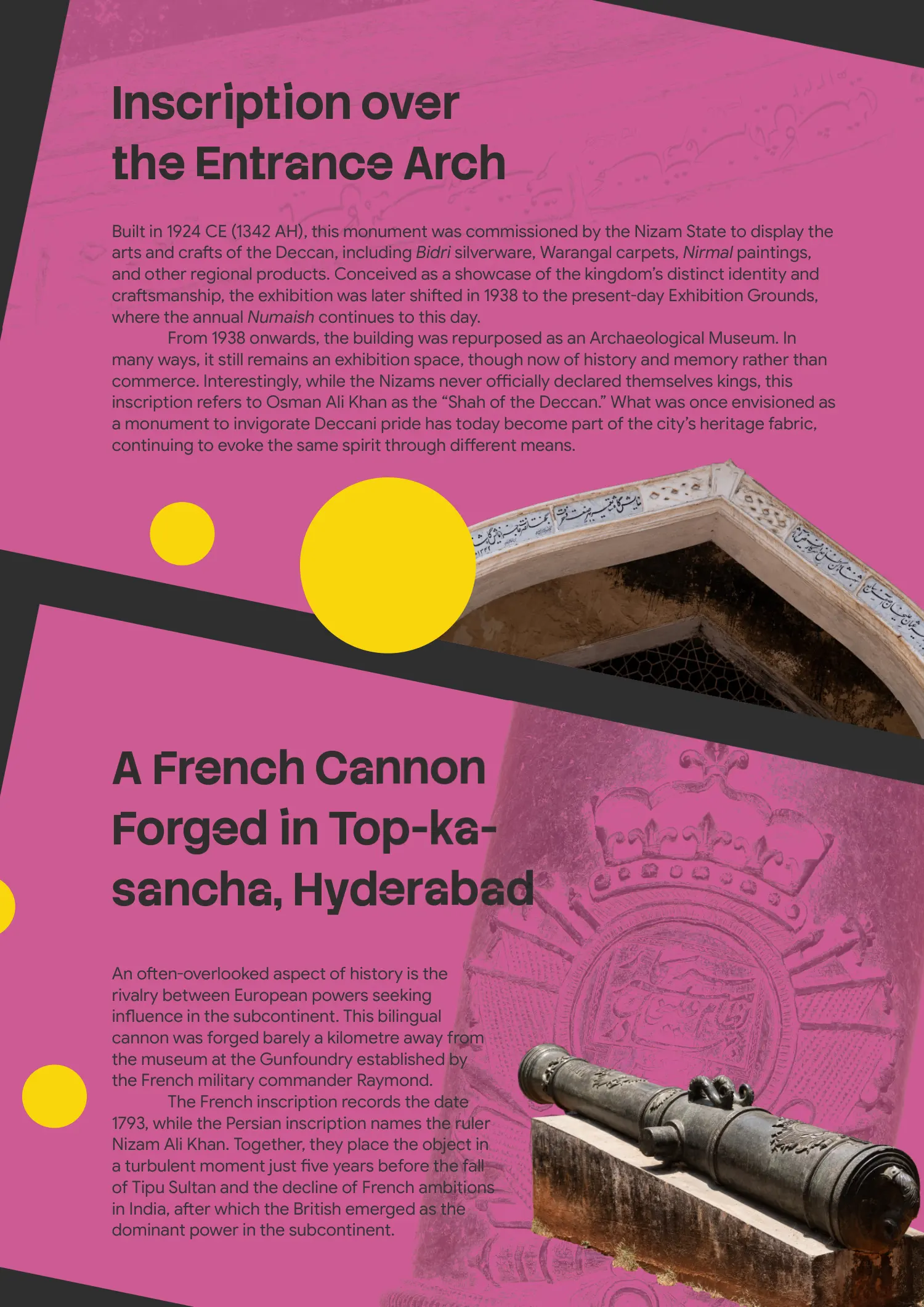
Inscription over the Entrance Arch
Built in 1924 CE (1342 AH), this monument was commissioned by the Nizam State to display the arts and crafts of the Deccan, including Bidri silverware, Warangal carpets, Nirmal paintings, and other regional products. Conceived as a showcase of the kingdom’s distinct identity and craftsmanship, the exhibition was later shifted in 1938 to the present-day Exhibition Grounds, where the annual Numaish continues to this day. From 1938 onwards, the building was repurposed as an Archaeological Museum. In many ways, it still remains an exhibition space, though now of history and memory rather than commerce. Interestingly, while the Nizams never officially declared themselves kings, this inscription refers to Osman Ali Khan as the “Shah of the Deccan.” What was once envisioned as a monument to invigorate Deccani pride has today become part of the city’s heritage fabric, continuing to evoke the same spirit through different means.
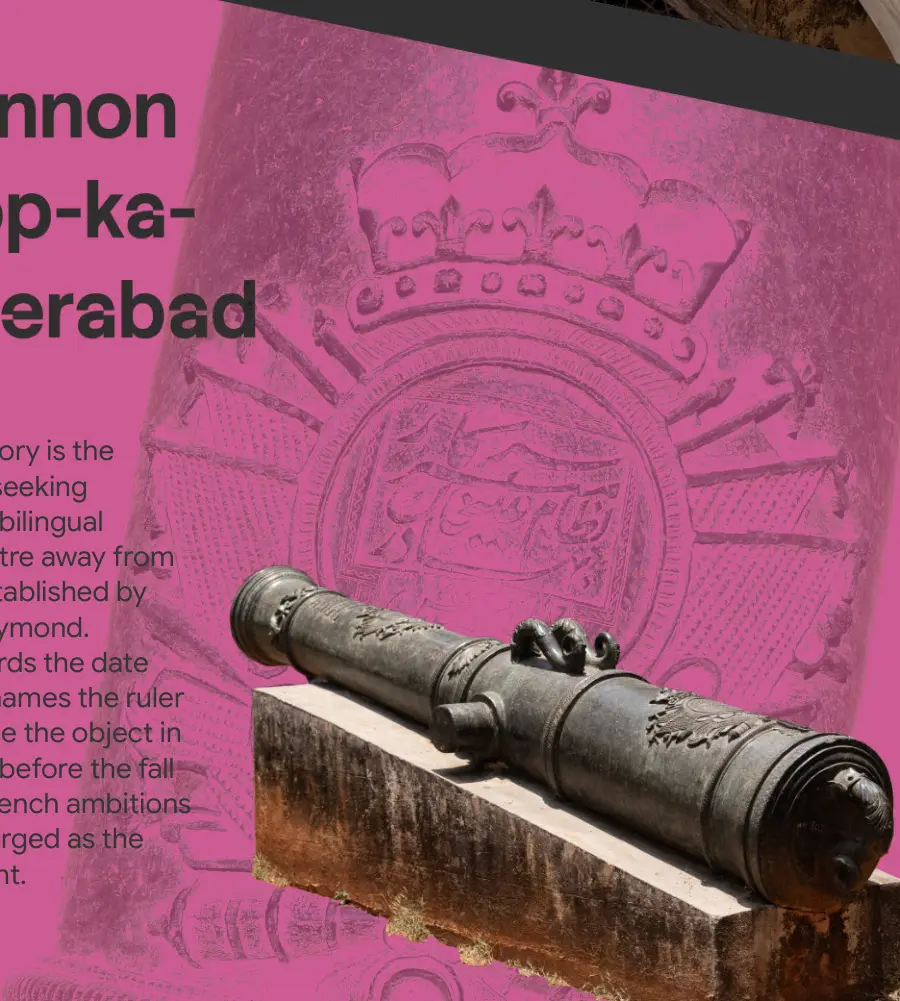
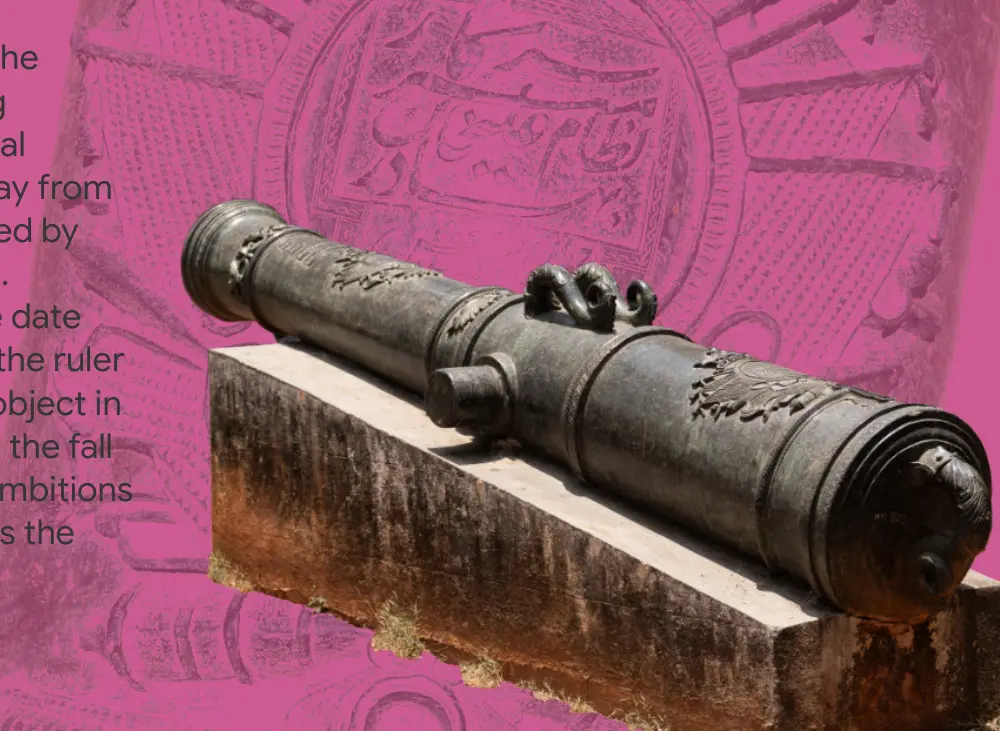
A French Cannon Forged in Top-ka- sancha, Hyderabad
An often-overlooked aspect of history is the rivalry between European powers seeking influence in the subcontinent. This bilingual cannon was forged barely a kilometre away from the museum at the Gunfoundry established by the French military commander Raymond. The French inscription records the date 1793, while the Persian inscription names the ruler Nizam Ali Khan. Together, they place the object in a turbulent moment just five years before the fall of Tipu Sultan and the decline of French ambitions in India, after which the British emerged as the dominant power in the subcontinent.
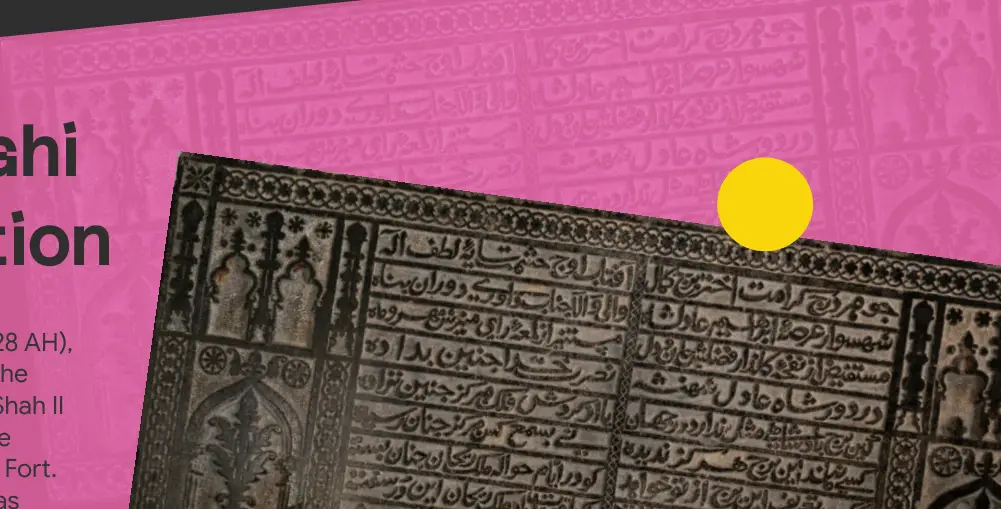
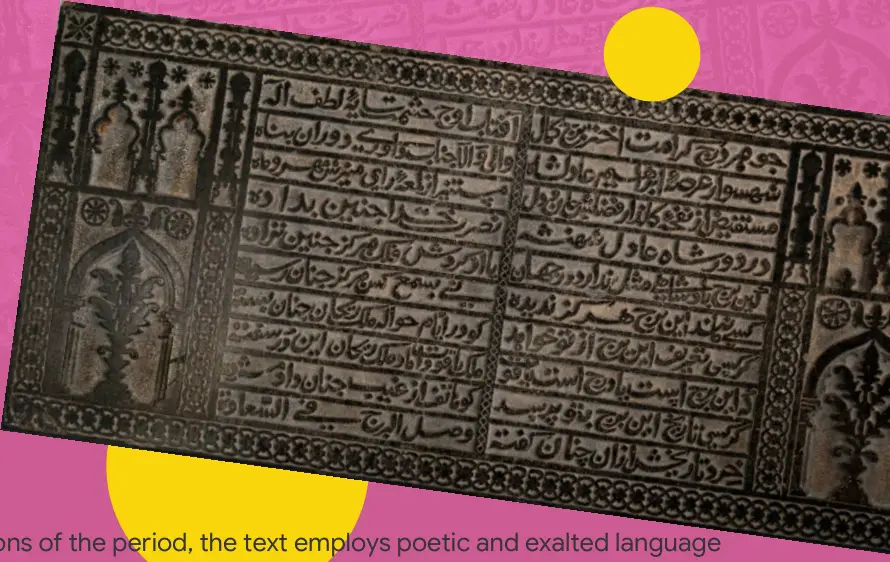
Adil Shahi Inscription
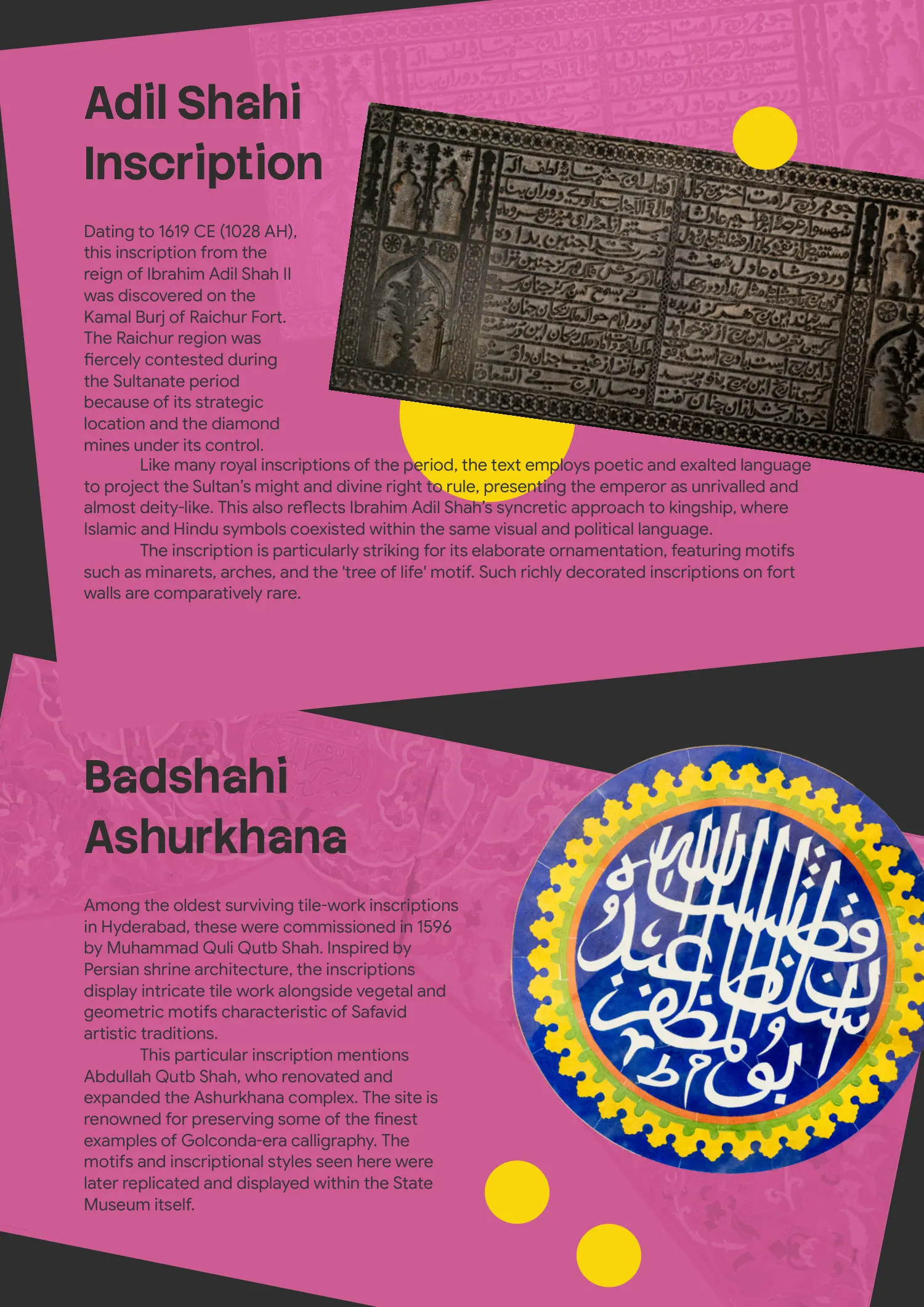
Dating to 1619 CE (1028 AH), this inscription from the reign of Ibrahim Adil Shah II was discovered on the Kamal Burj of Raichur Fort. The Raichur region was fiercely contested during the Sultanate period because of its strategic location and the diamond mines under its control.
Like many royal inscriptions of the period, the text employs poetic and exalted language to project the Sultan’s might and divine right to rule, presenting the emperor as unrivalled and almost deity-like. This also reflects Ibrahim Adil Shah’s syncretic approach to kingship, where Islamic and Hindu symbols coexisted within the same visual and political language. The inscription is particularly striking for its elaborate ornamentation, featuring motifs such as minarets, arches, and the 'tree of life' motif. Such richly decorated inscriptions on fort walls are comparatively rare.
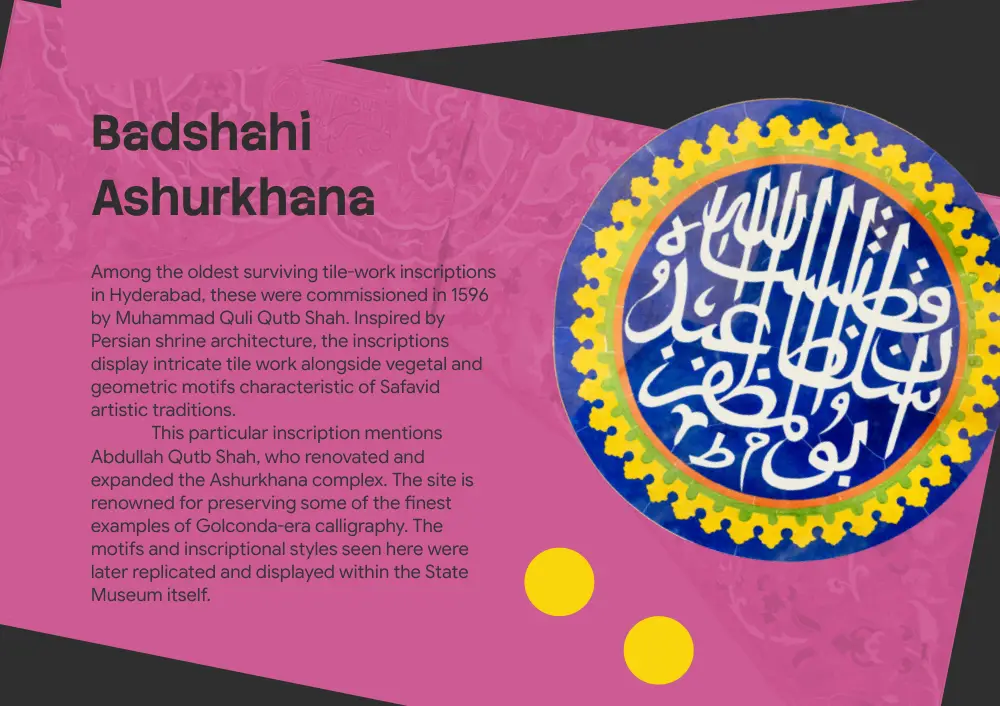
Badshahi Ashurkhana
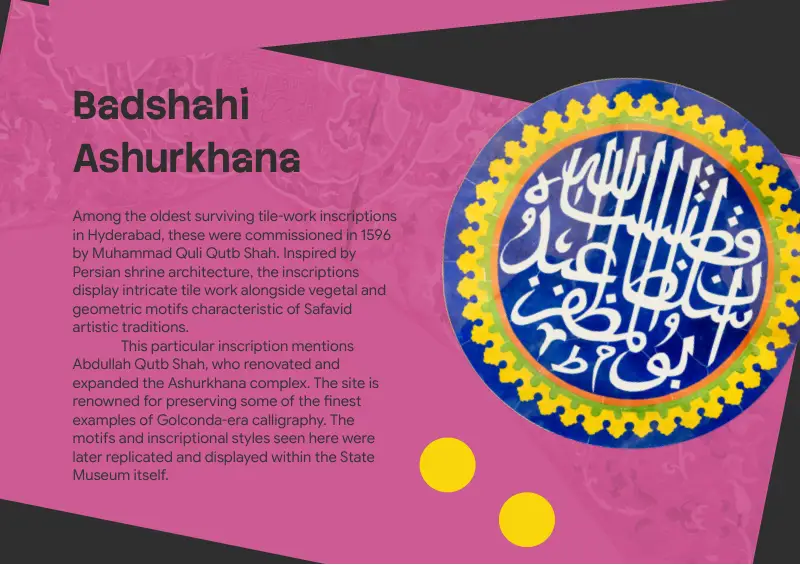
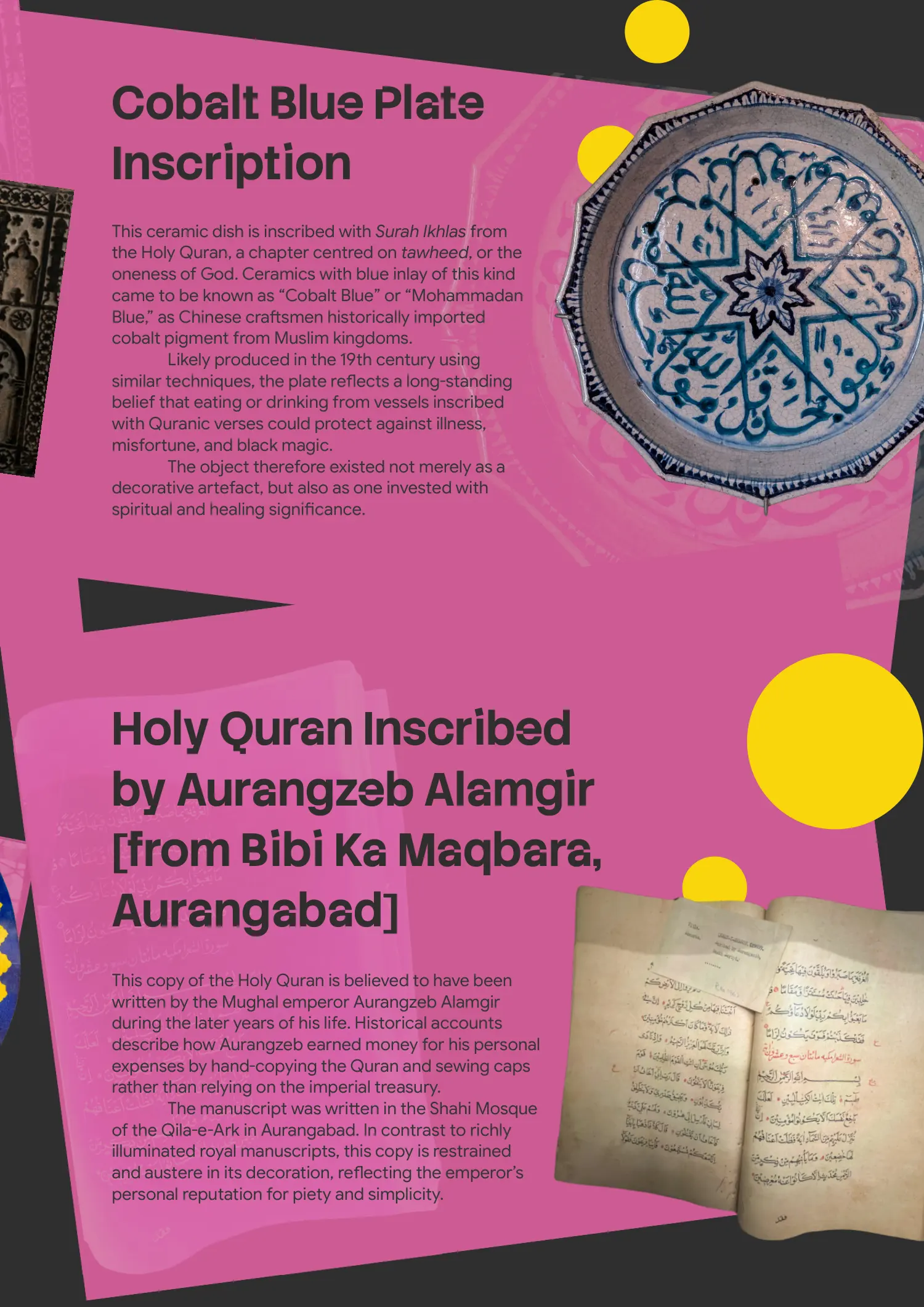
Among the oldest surviving tile-work inscriptions in Hyderabad, these were commissioned in 1596 by Muhammad Quli Qutb Shah. Inspired by Persian shrine architecture, the inscriptions display intricate tile work alongside vegetal and geometric motifs characteristic of Safavid artistic traditions. This particular inscription mentions Abdullah Qutb Shah, who renovated and expanded the Ashurkhana complex. The site is renowned for preserving some of the finest examples of Golconda-era calligraphy. The motifs and inscriptional styles seen here were later replicated and displayed within the State Museum itself.
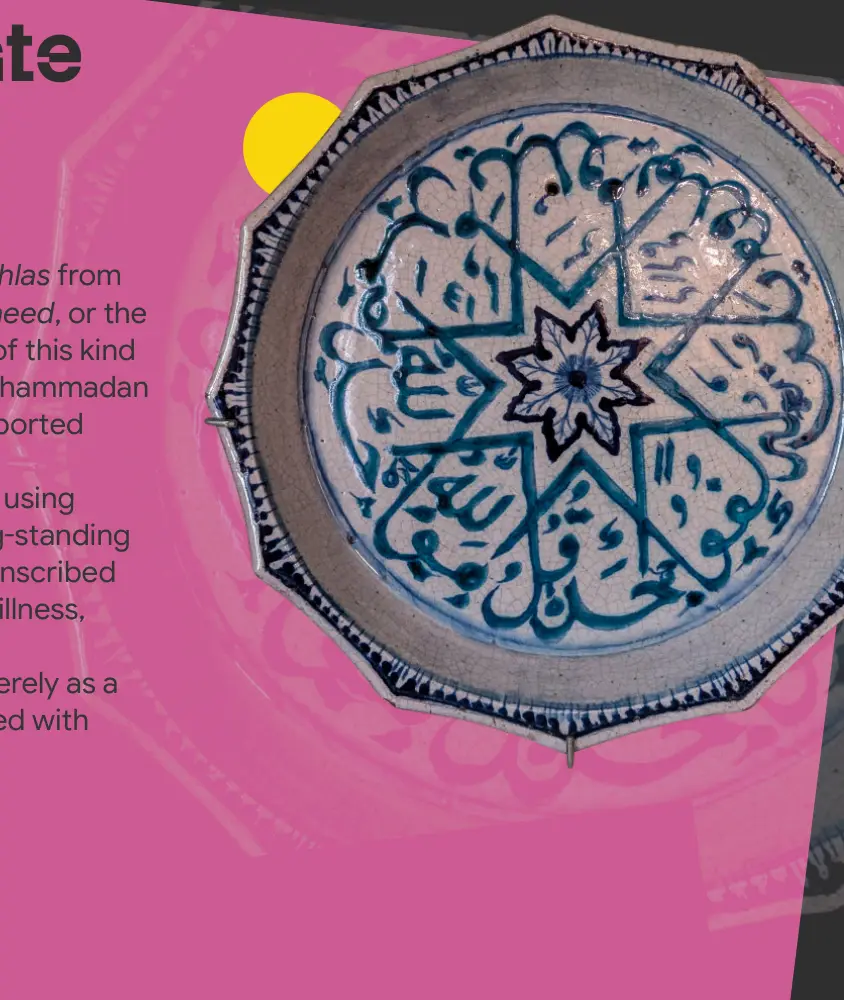
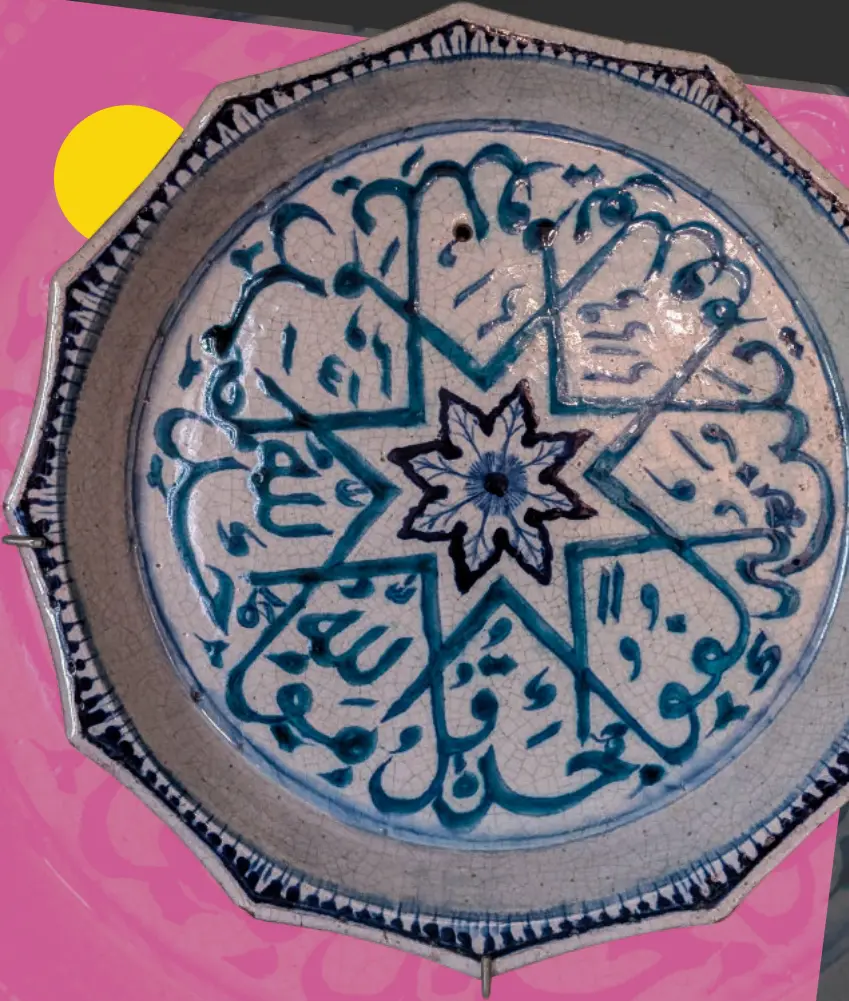
Cobalt Blue Plate Inscription
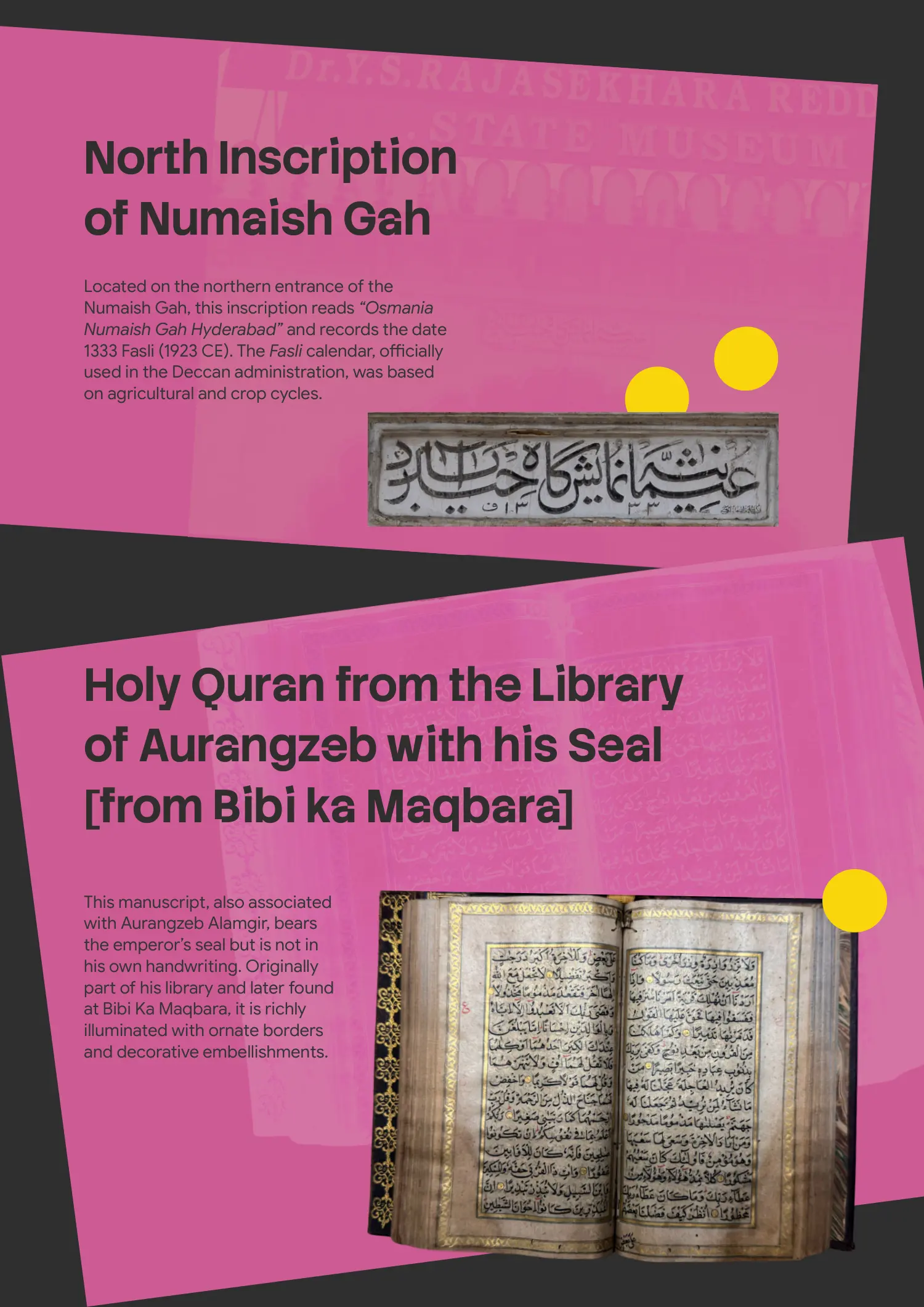
This ceramic dish is inscribed with Surah Ikhlas from the Holy Quran, a chapter centred on tawheed, or the oneness of God. Ceramics with blue inlay of this kind came to be known as “Cobalt Blue” or “Mohammadan Blue,” as Chinese craftsmen historically imported cobalt pigment from Muslim kingdoms. Likely produced in the 19th century using similar techniques, the plate reflects a long-standing belief that eating or drinking from vessels inscribed with Quranic verses could protect against illness, misfortune, and black magic. The object therefore existed not merely as a decorative artefact, but also as one invested with spiritual and healing significance.
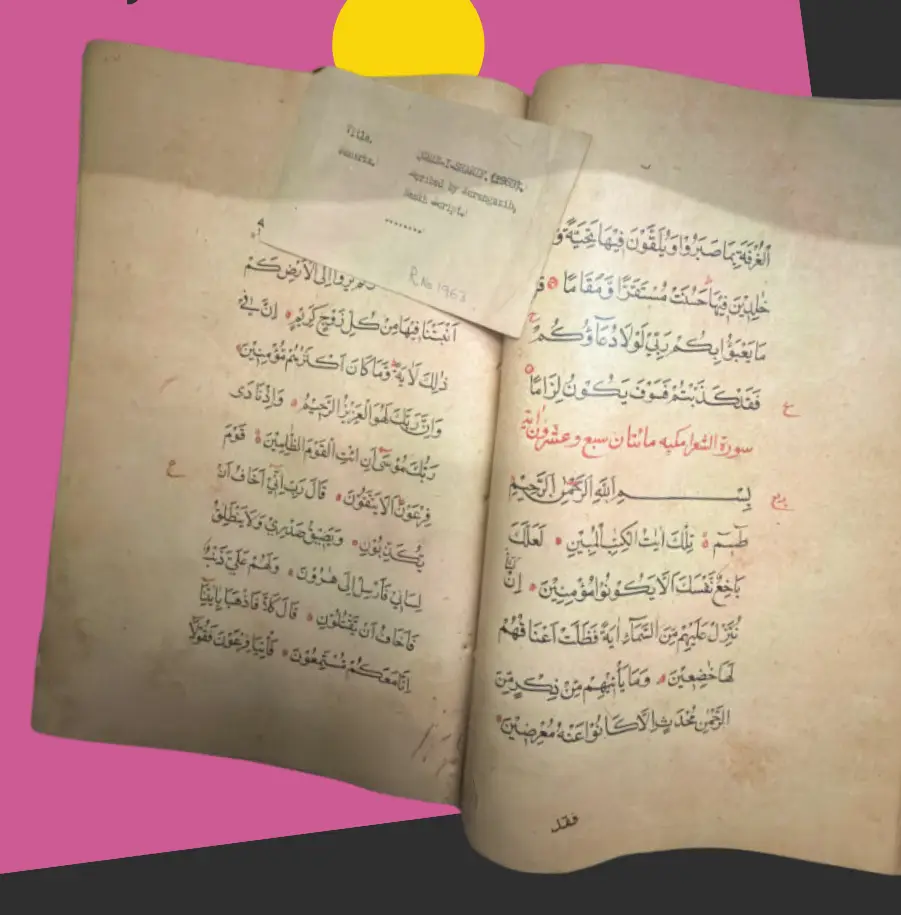
Holy Quran Inscribed by Aurangzeb Alamgir [from Bibi Ka Maqbara, Aurangabad]
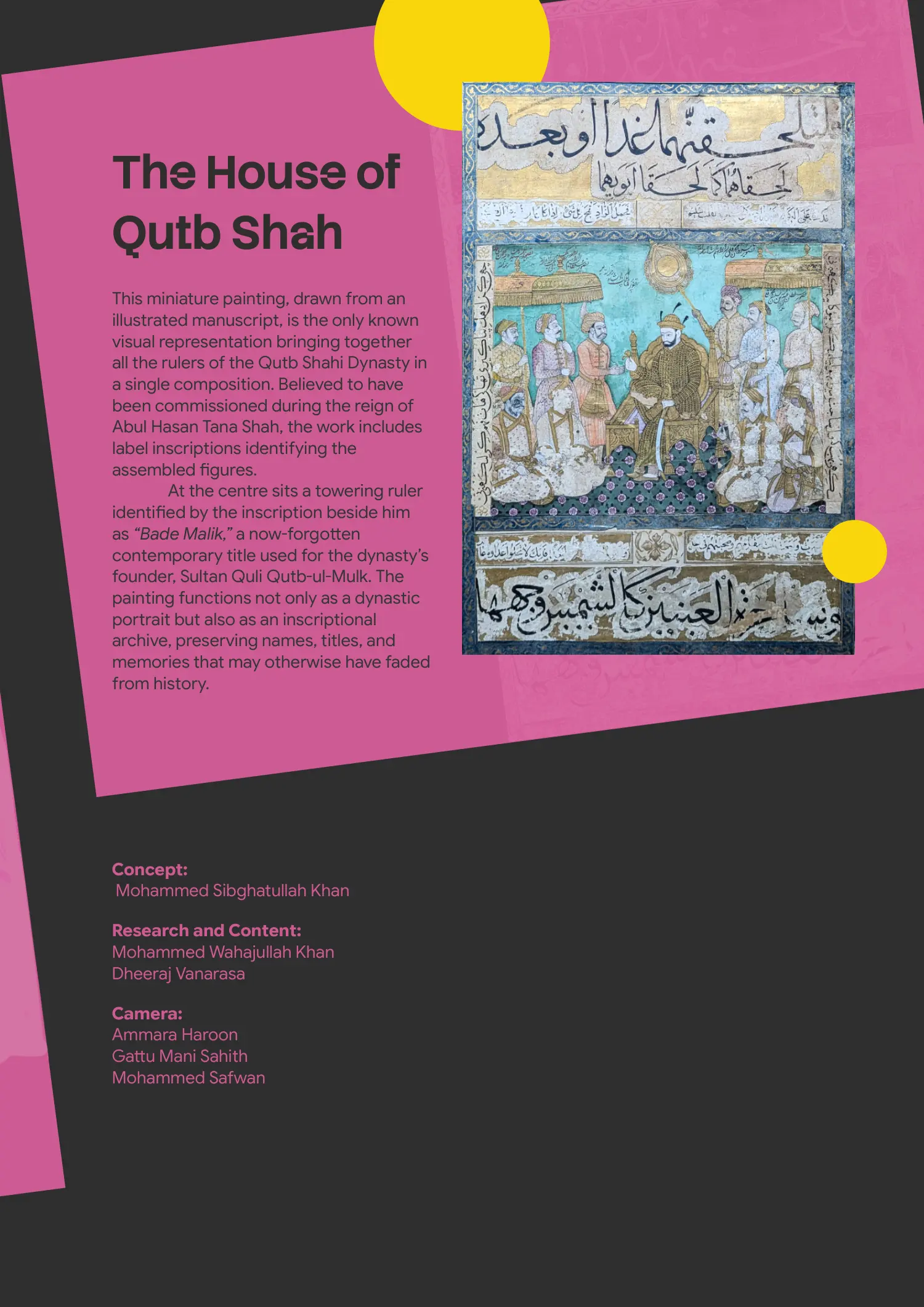
This copy of the Holy Quran is believed to have been written by the Mughal emperor Aurangzeb Alamgir during the later years of his life. Historical accounts describe how Aurangzeb earned money for his personal expenses by hand-copying the Quran and sewing caps rather than relying on the imperial treasury. The manuscript was written in the Shahi Mosque of the Qila-e-Ark in Aurangabad. In contrast to richly illuminated royal manuscripts, this copy is restrained and austere in its decoration, reflecting the emperor’s personal reputation for piety and simplicity.

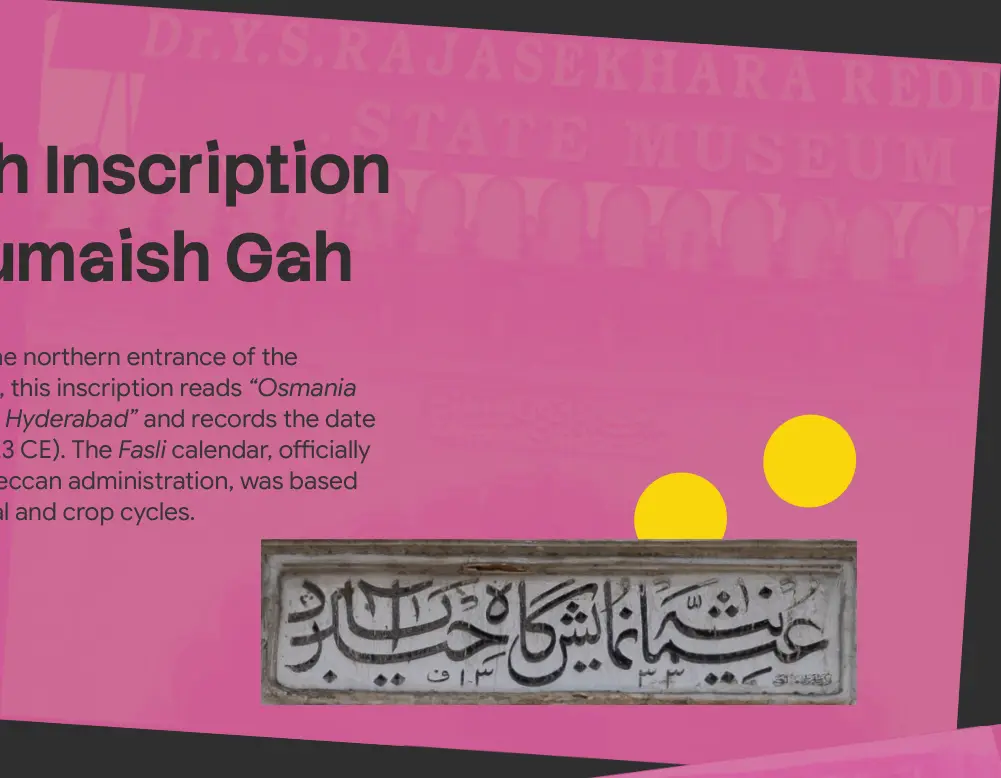
North Inscription of Numaish Gah
Located on the northern entrance of the Numaish Gah, this inscription reads “Osmania Numaish Gah Hyderabad” and records the date 1333 Fasli (1923 CE). The Fasli calendar, officially used in the Deccan administration, was based on agricultural and crop cycles.
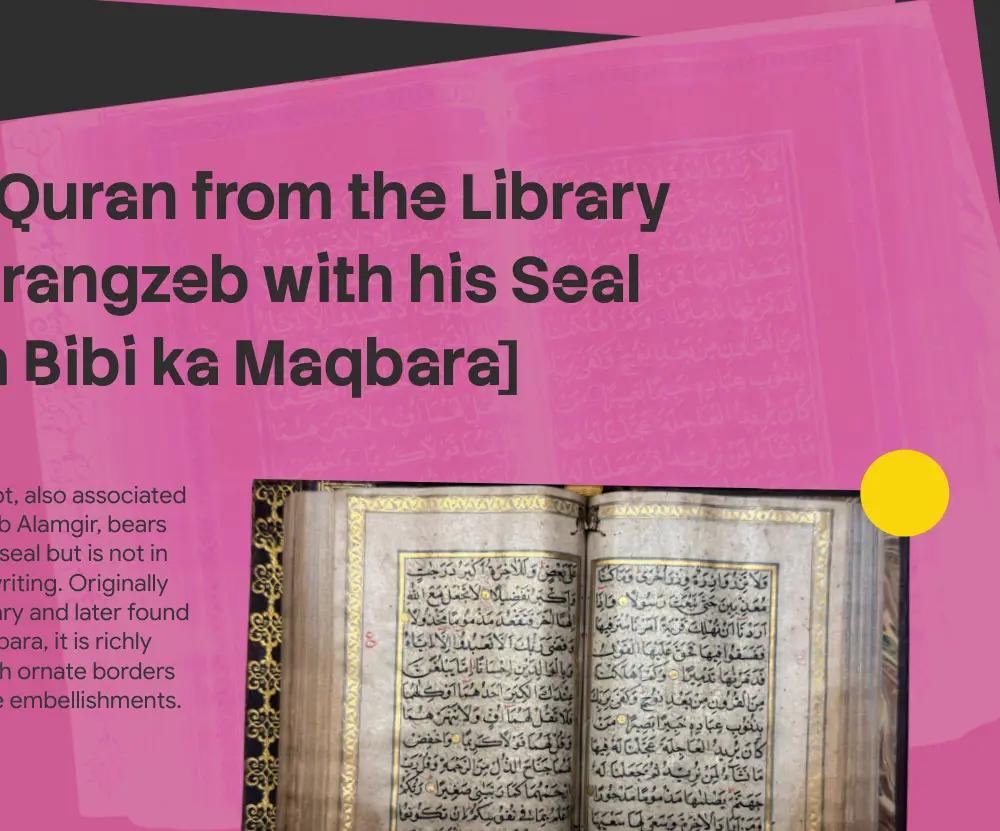
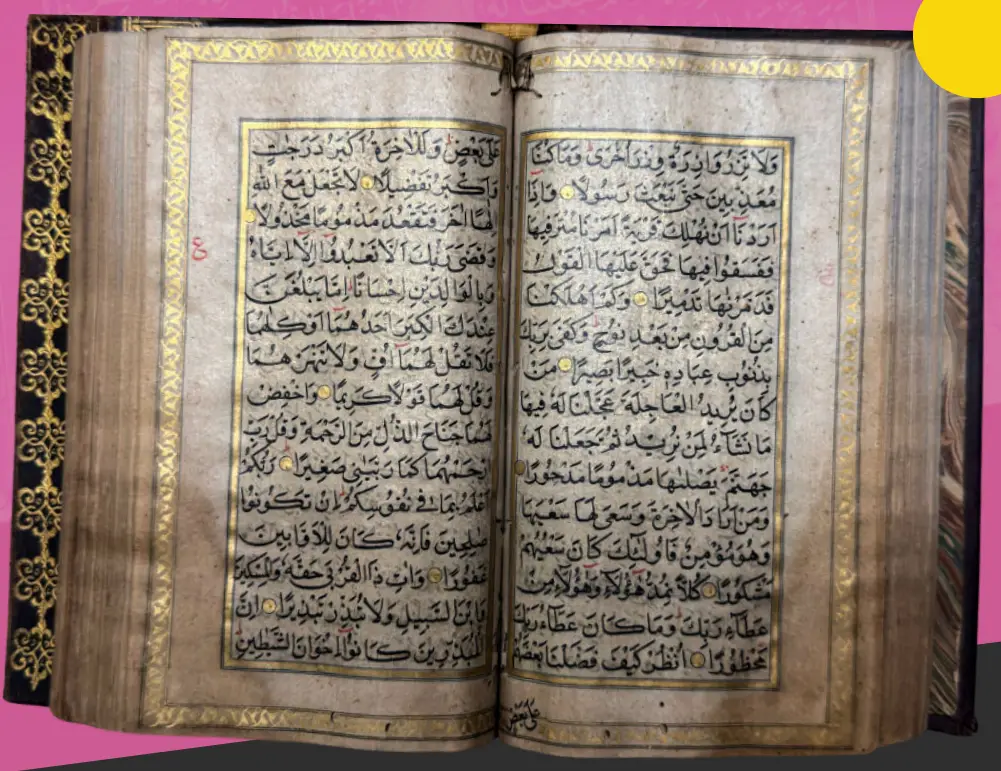
Holy Quran from the Library of Aurangzeb with his Seal [from Bibi ka Maqbara]
This manuscript, also associated with Aurangzeb Alamgir, bears the emperor’s seal but is not in his own handwriting. Originally part of his library and later found at Bibi Ka Maqbara, it is richly illuminated with ornate borders and decorative embellishments.
The House of Qutb Shah
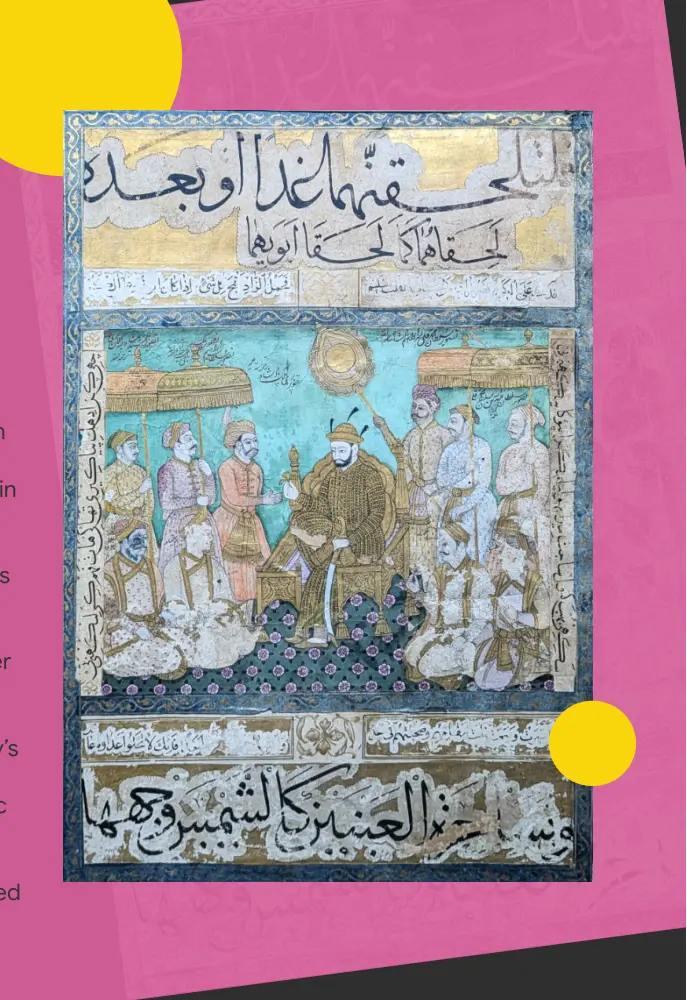
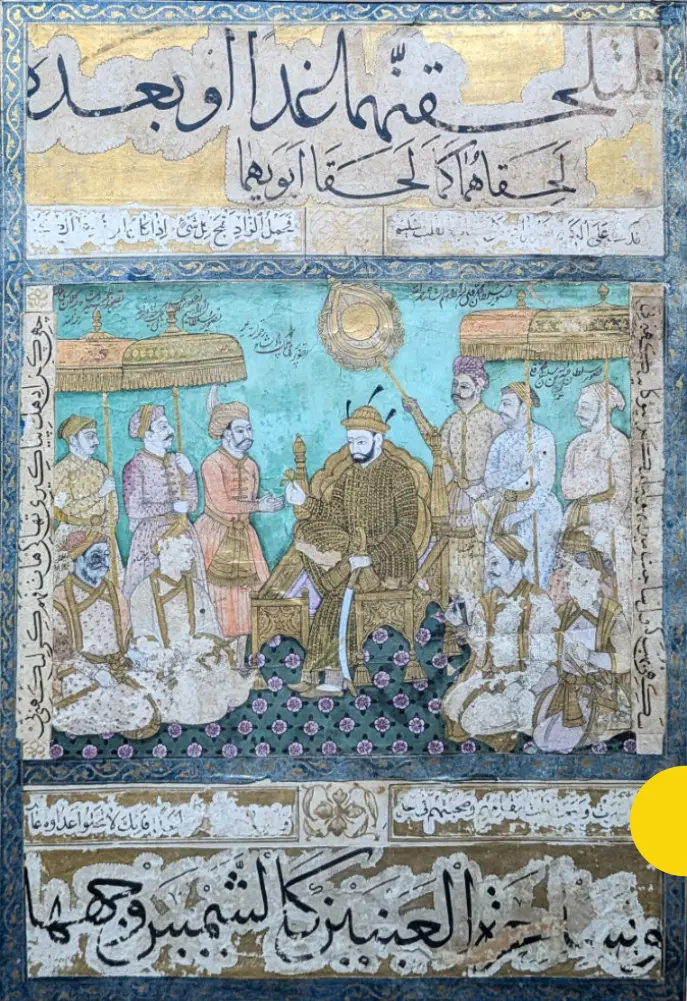
This miniature painting, drawn from an illustrated manuscript, is the only known visual representation bringing together all the rulers of the Qutb Shahi Dynasty in a single composition. Believed to have been commissioned during the reign of Abul Hasan Tana Shah, the work includes label inscriptions identifying the assembled figures. At the centre sits a towering ruler identified by the inscription beside him as “Bade Malik,” a now-forgotten contemporary title used for the dynasty’s founder, Sultan Quli Qutb-ul-Mulk. The painting functions not only as a dynastic portrait but also as an inscriptional archive, preserving names, titles, and memories that may otherwise have faded from history.
Concept: Mohammed Sibghatullah Khan
Research and Content: Mohammed Wahajullah Khan Dheeraj Vanarasa
Camera: Ammara Haroon Gattu Mani Sahith Mohammed Safwan
View original pages, photographs & credits
Originally published in Museum Mosaic 2025, published May 2026.
Part of our annual review. Descriptions reflect the publication’s reporting period.