Rai Bahadur Dr. Hiralal Archaeological Museum, Nagpur
Tucked within the campus of Rashtrasant Tukadoji Maharaj Nagpur University, the Rai Bahadur Dr. Hiralal Archaeological Museum stands as a quiet repository of Vidarbha’s past. Named after Rai Bahadur Dr. Hiralal, a pioneering scholar of epigraphy and regional history, the museum functions under the Department of Ancient Indian History, Culture and Archaeology, and is envisioned as a centre for research and documentation of the region’s cultural heritage. This trail moves through a remarkable group of sculptures excavated at Mandhal, dating to the time of the Vakataka Dynasty (c. 3rd– 5th century CE). Carved in local sandstone, these sculptures are marked by rounded forms, composed expressions, and a quiet solidity that defines the Vakataka visual language, offering a glimpse into a rich yet often overlooked artistic tradition of Vidarbha.
Ar. Mandira Neware Founder, Nagpuri
All images are provided by the author
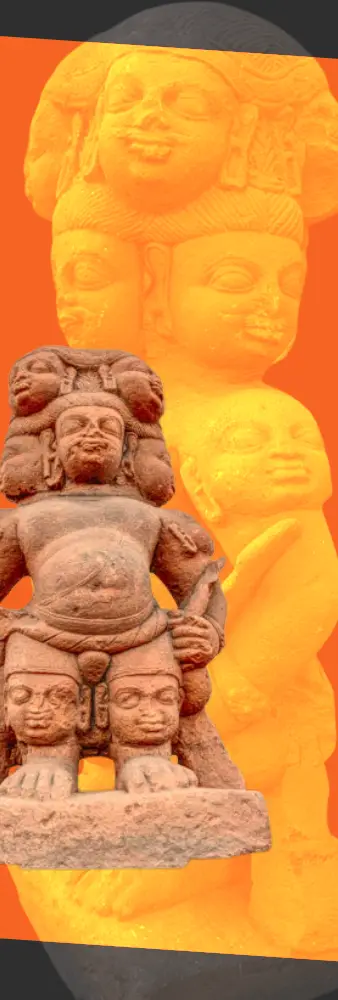
A form that sees in all directions, yet remains unseen
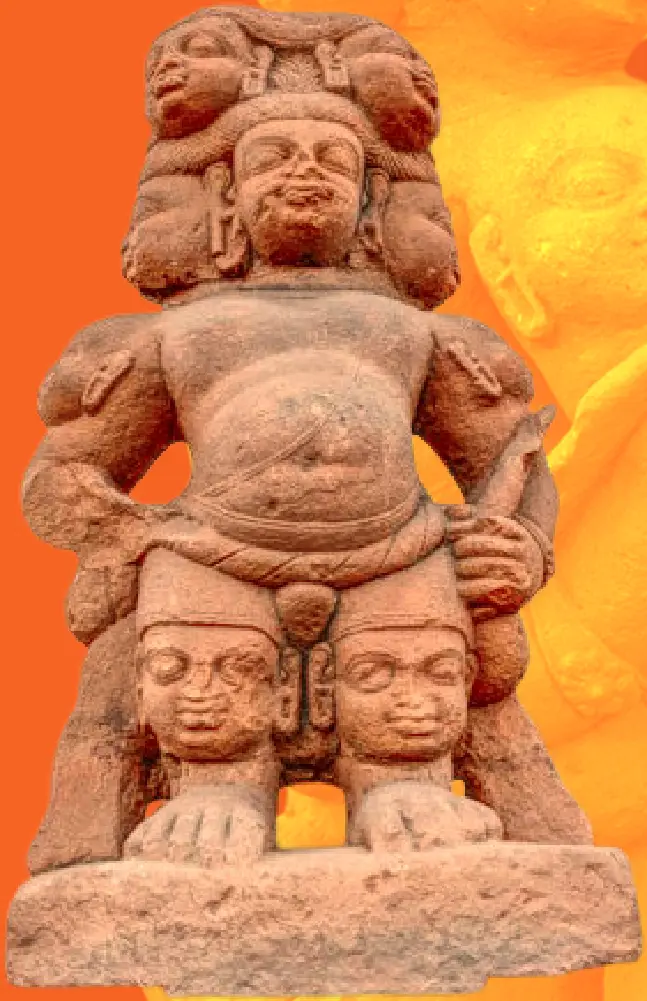
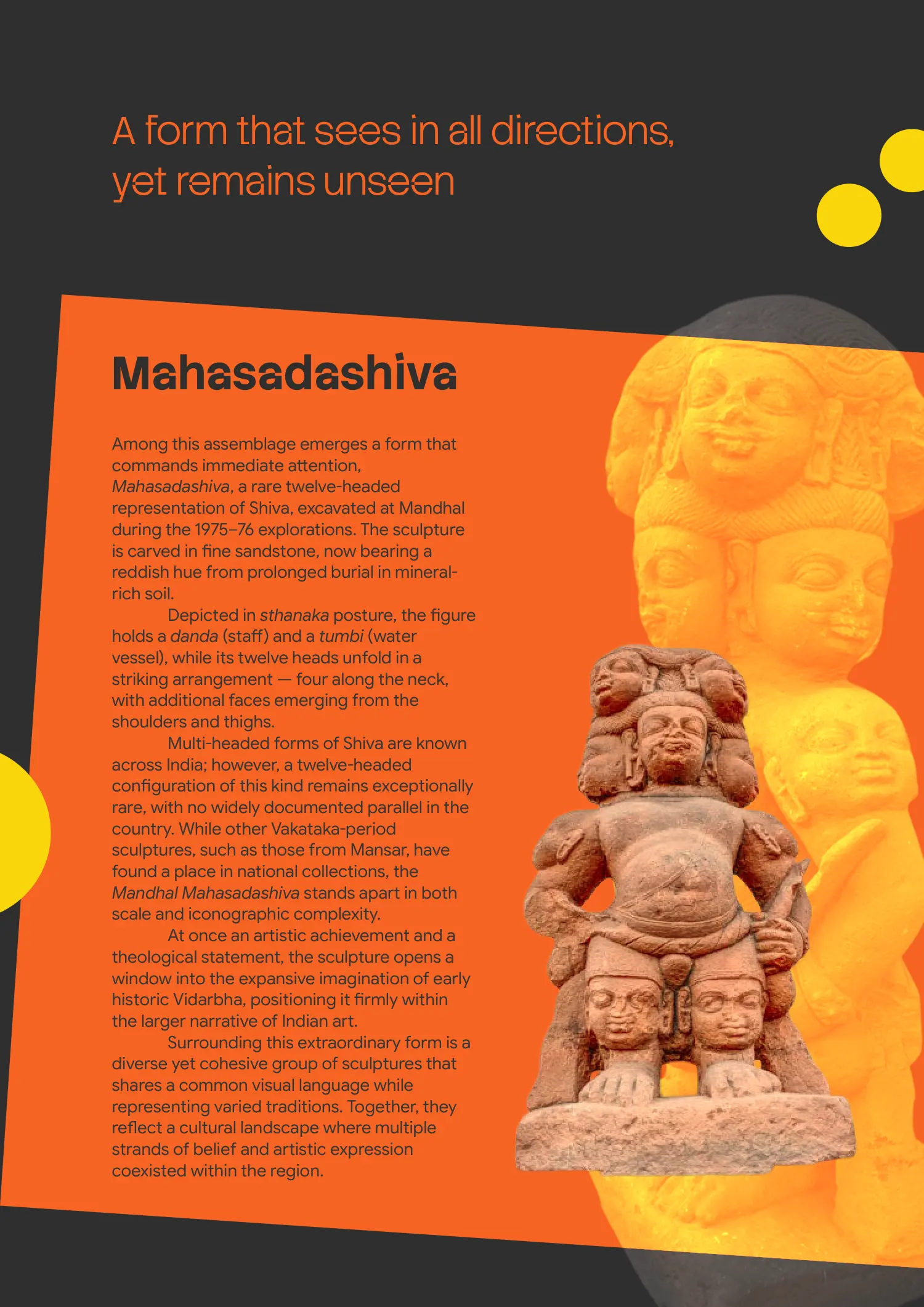
Mahasadashiva
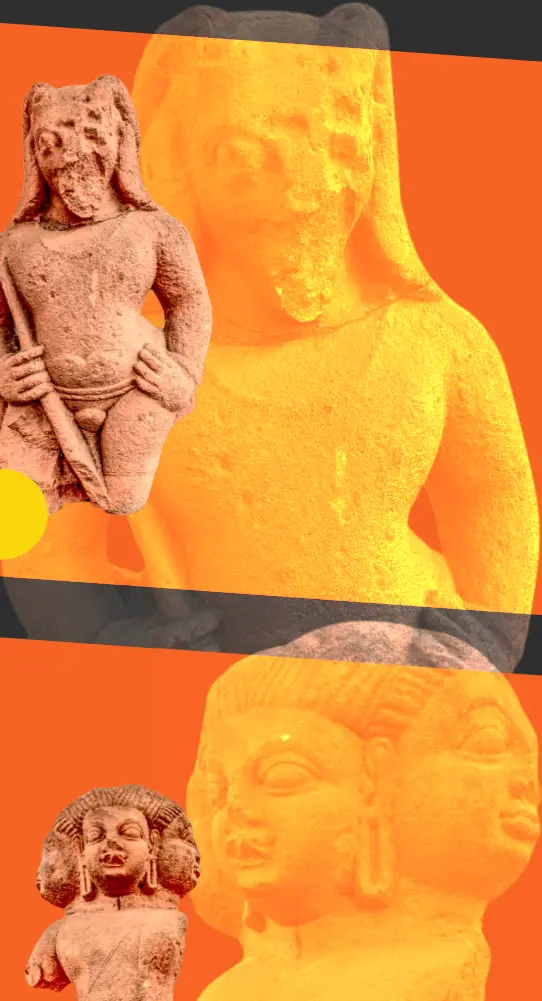
Among this assemblage emerges a form that commands immediate attention, Mahasadashiva, a rare twelve-headed representation of Shiva, excavated at Mandhal during the 1975–76 explorations. The sculpture is carved in fine sandstone, now bearing a reddish hue from prolonged burial in mineral- rich soil. Depicted in sthanaka posture, the figure holds a danda (staff) and a tumbi (water vessel), while its twelve heads unfold in a striking arrangement — four along the neck, with additional faces emerging from the shoulders and thighs. Multi-headed forms of Shiva are known across India; however, a twelve-headed configuration of this kind remains exceptionally rare, with no widely documented parallel in the country. While other Vakataka-period sculptures, such as those from Mansar, have found a place in national collections, the Mandhal Mahasadashiva stands apart in both scale and iconographic complexity. At once an artistic achievement and a theological statement, the sculpture opens a window into the expansive imagination of early historic Vidarbha, positioning it firmly within the larger narrative of Indian art. Surrounding this extraordinary form is a diverse yet cohesive group of sculptures that shares a common visual language while representing varied traditions. Together, they reflect a cultural landscape where multiple strands of belief and artistic expression coexisted within the region.
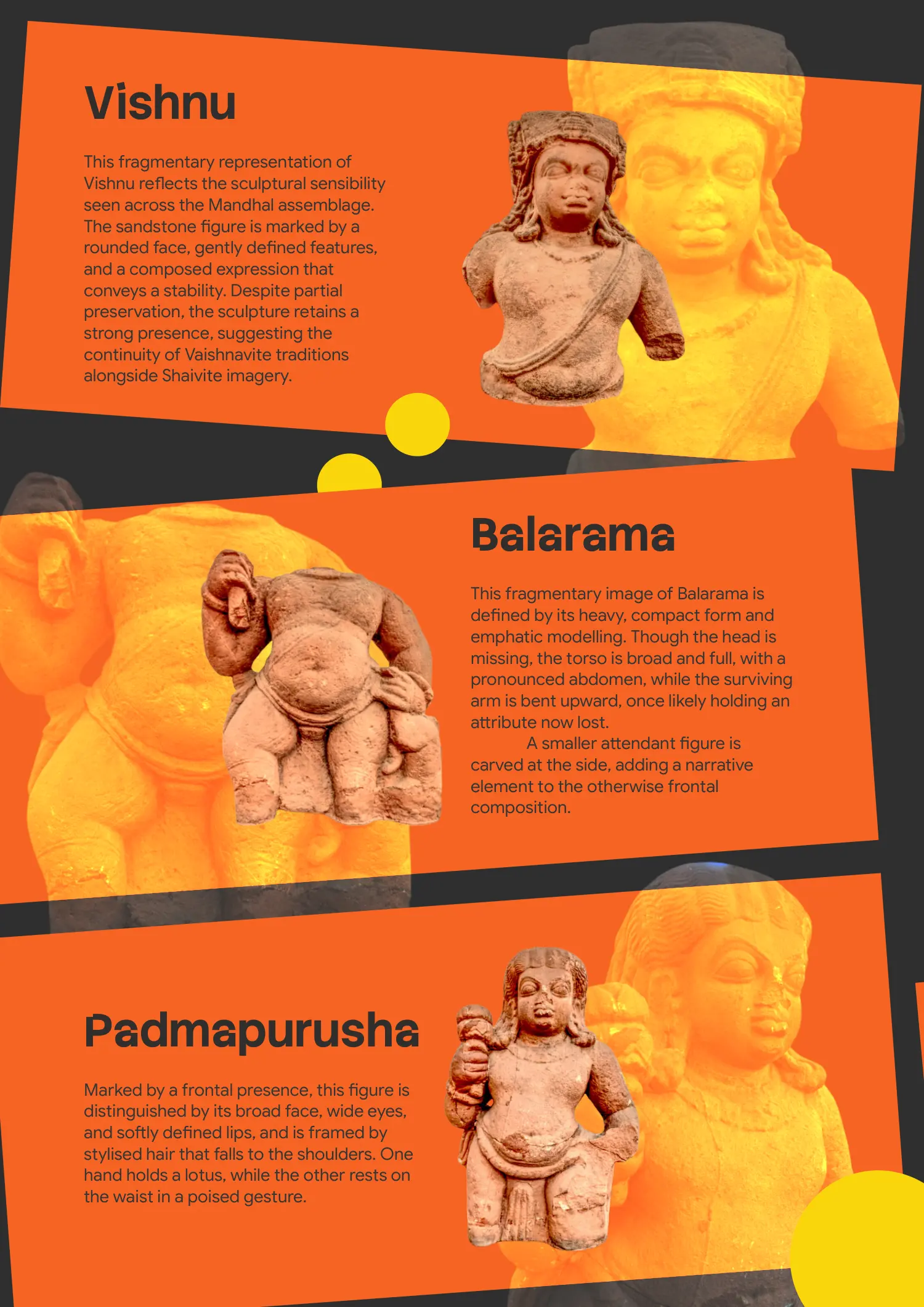
Vishnu
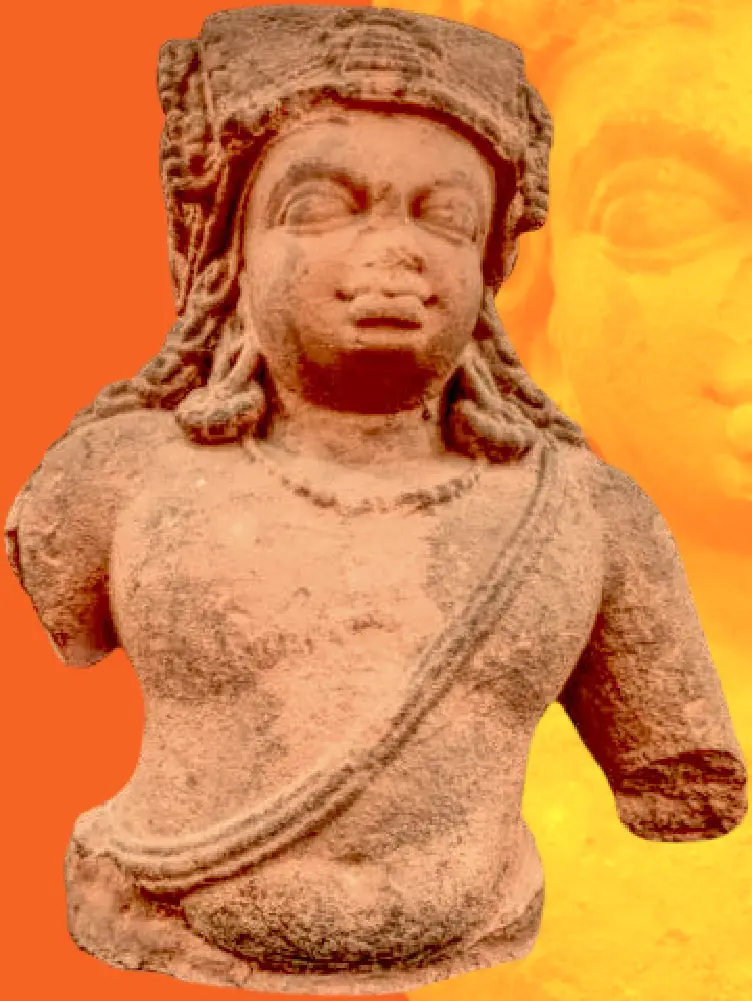
This fragmentary representation of Vishnu reflects the sculptural sensibility seen across the Mandhal assemblage. The sandstone figure is marked by a rounded face, gently defined features, and a composed expression that conveys a stability. Despite partial preservation, the sculpture retains a strong presence, suggesting the continuity of Vaishnavite traditions alongside Shaivite imagery.
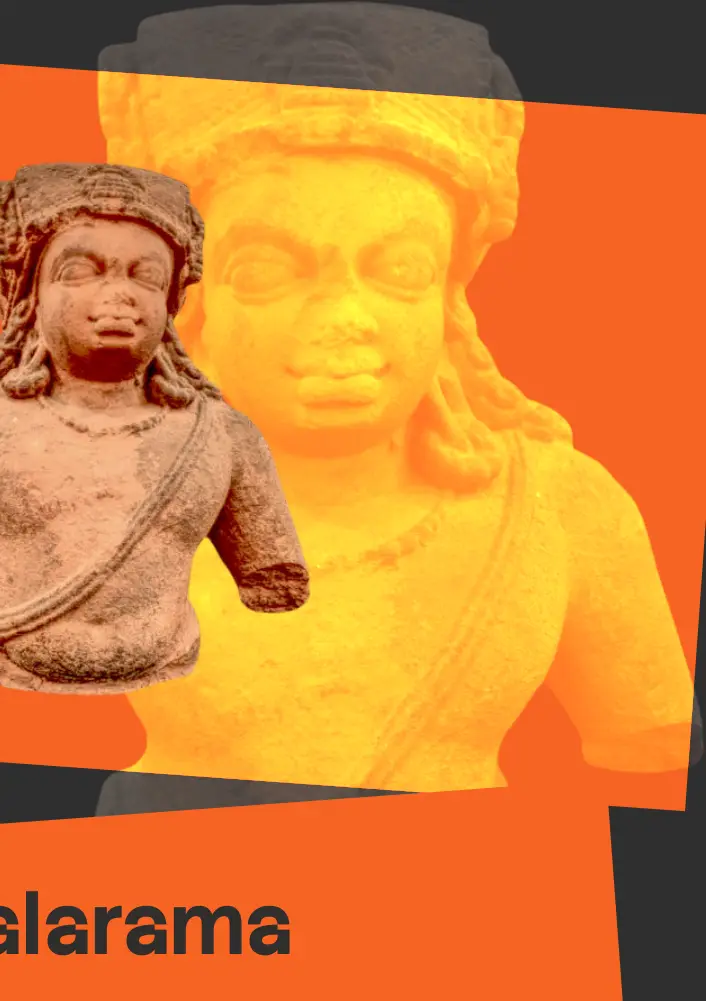
Balarama
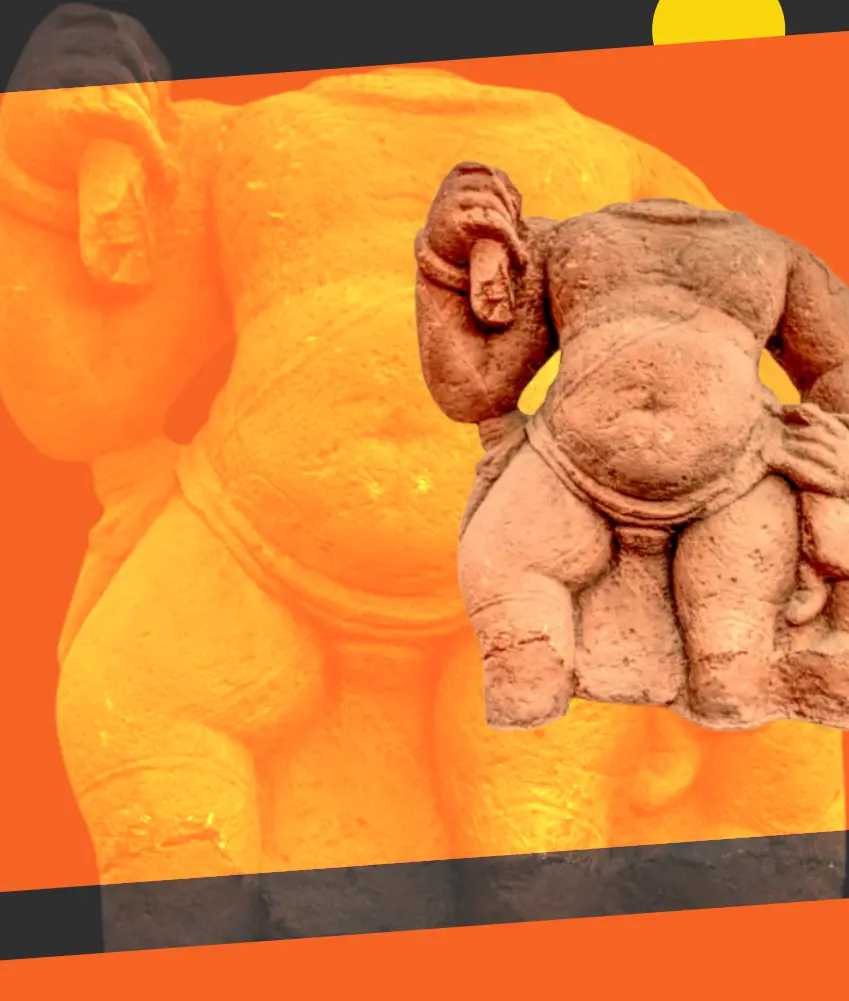
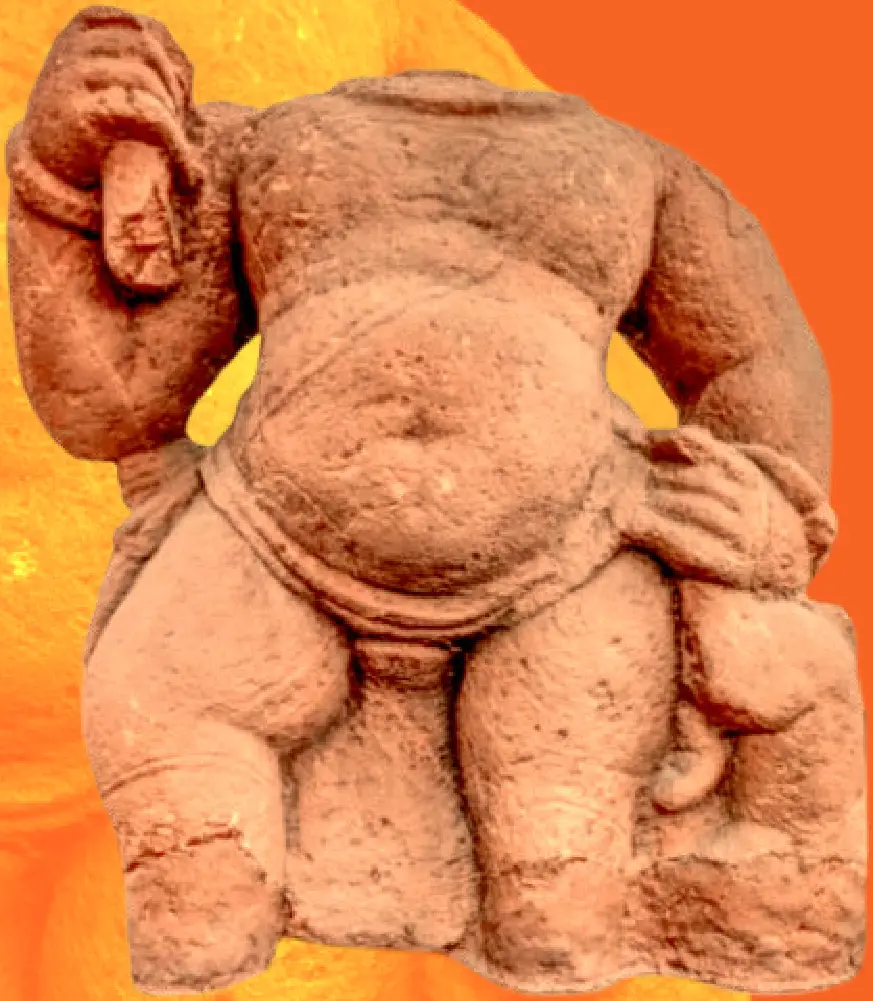
This fragmentary image of Balarama is defined by its heavy, compact form and emphatic modelling. Though the head is missing, the torso is broad and full, with a pronounced abdomen, while the surviving arm is bent upward, once likely holding an attribute now lost. A smaller attendant figure is carved at the side, adding a narrative element to the otherwise frontal composition.
Padmapurusha
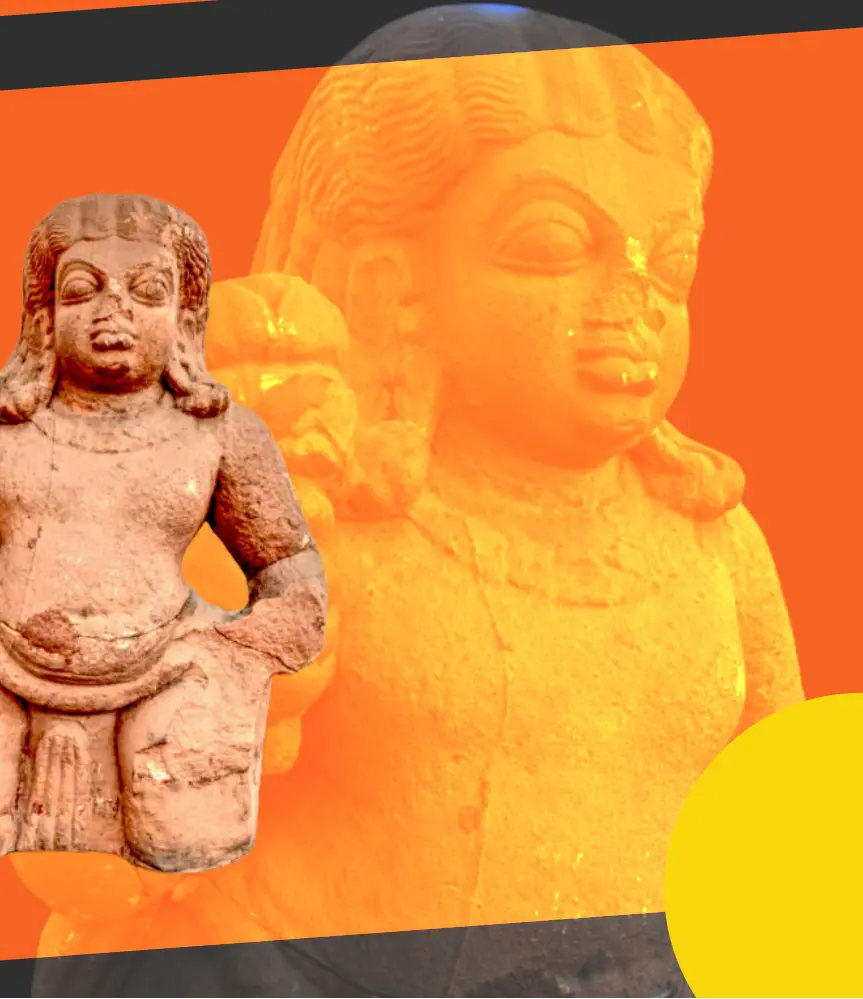
Marked by a frontal presence, this figure is distinguished by its broad face, wide eyes, and softly defined lips, and is framed by stylised hair that falls to the shoulders. One hand holds a lotus, while the other rests on the waist in a poised gesture.
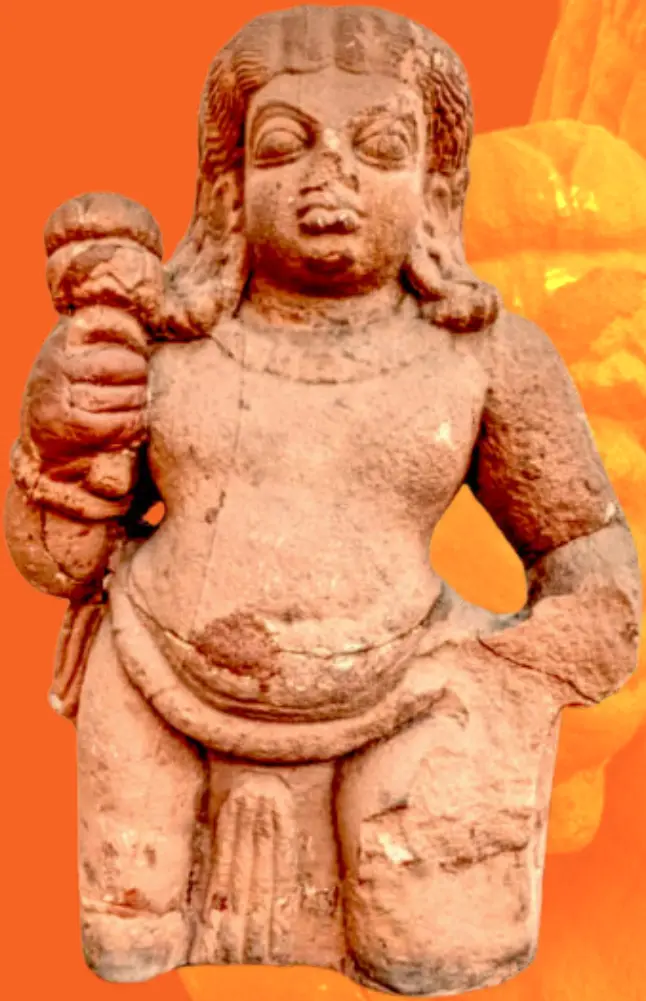
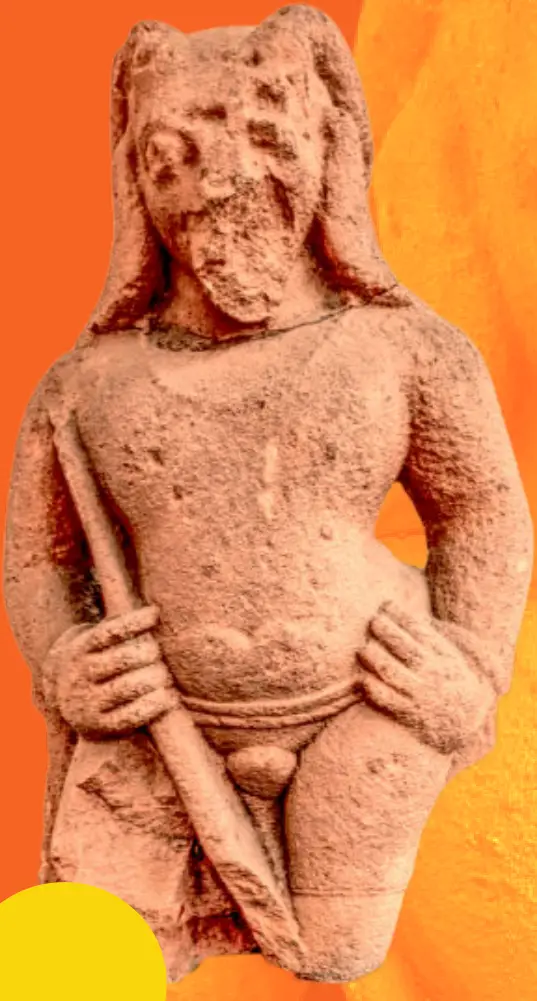
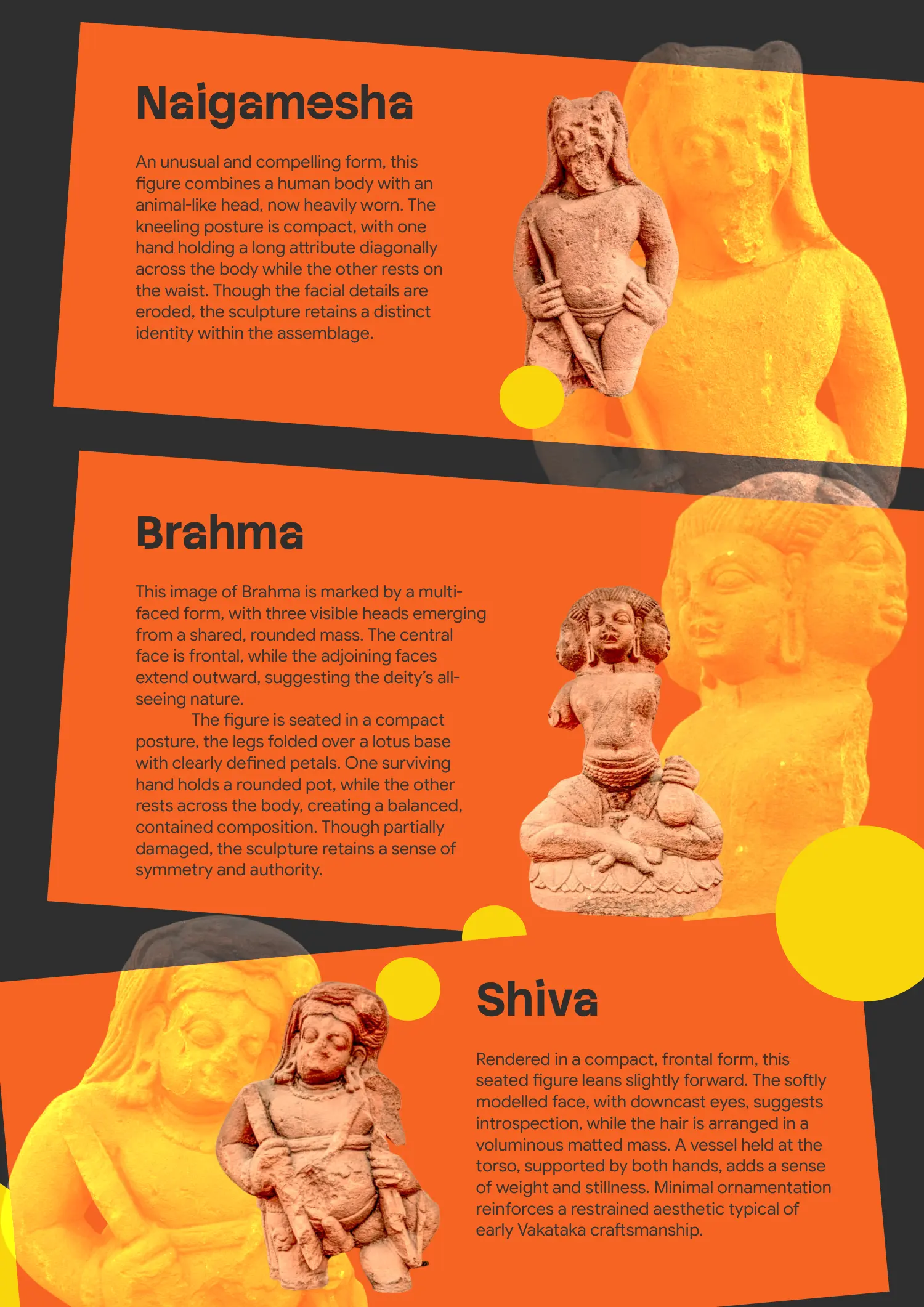
Naigamesha
An unusual and compelling form, this figure combines a human body with an animal-like head, now heavily worn. The kneeling posture is compact, with one hand holding a long attribute diagonally across the body while the other rests on the waist. Though the facial details are eroded, the sculpture retains a distinct identity within the assemblage.
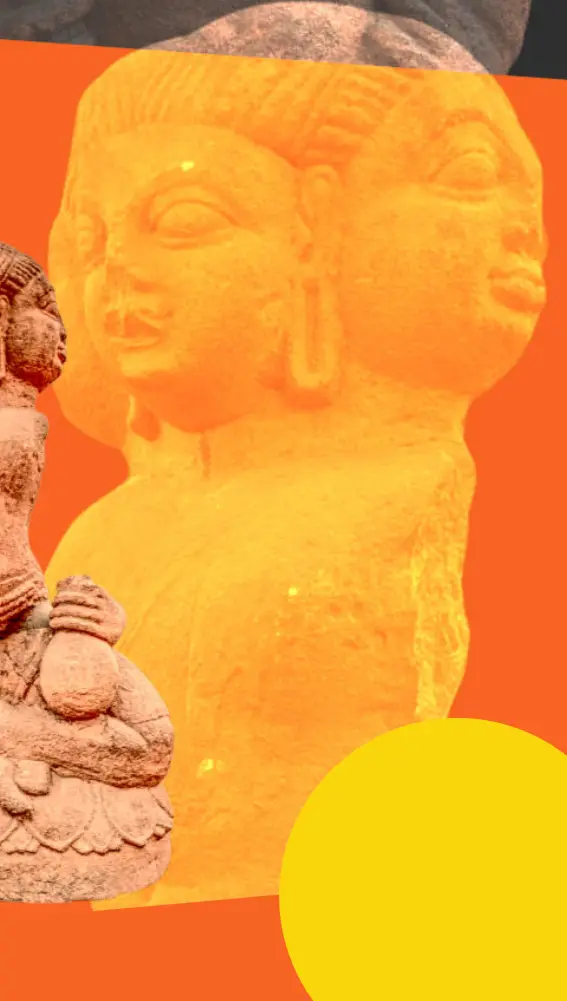
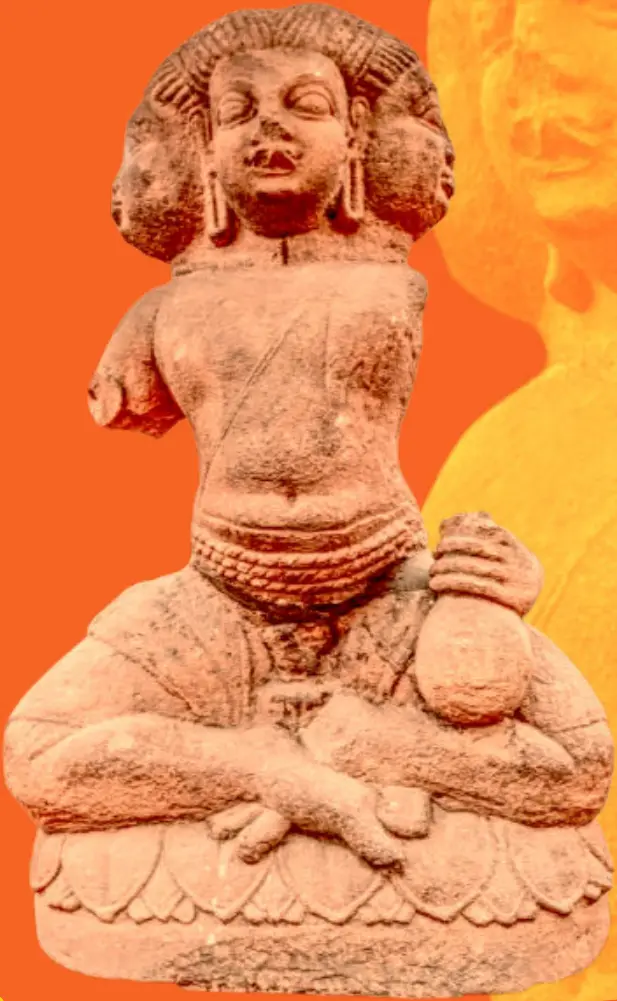
Brahma
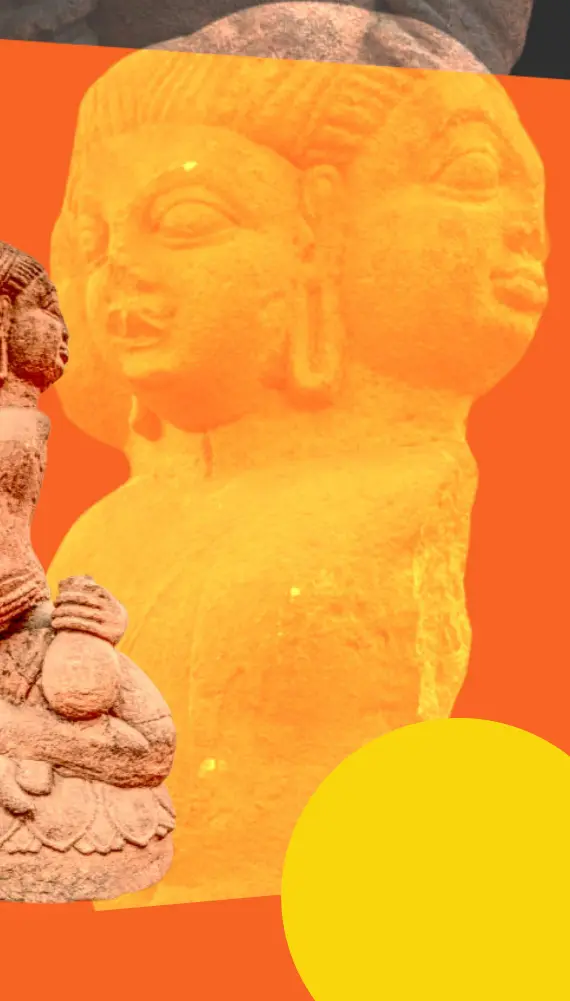
This image of Brahma is marked by a multi- faced form, with three visible heads emerging from a shared, rounded mass. The central face is frontal, while the adjoining faces extend outward, suggesting the deity’s all- seeing nature. The figure is seated in a compact posture, the legs folded over a lotus base with clearly defined petals. One surviving hand holds a rounded pot, while the other rests across the body, creating a balanced, contained composition. Though partially damaged, the sculpture retains a sense of symmetry and authority.
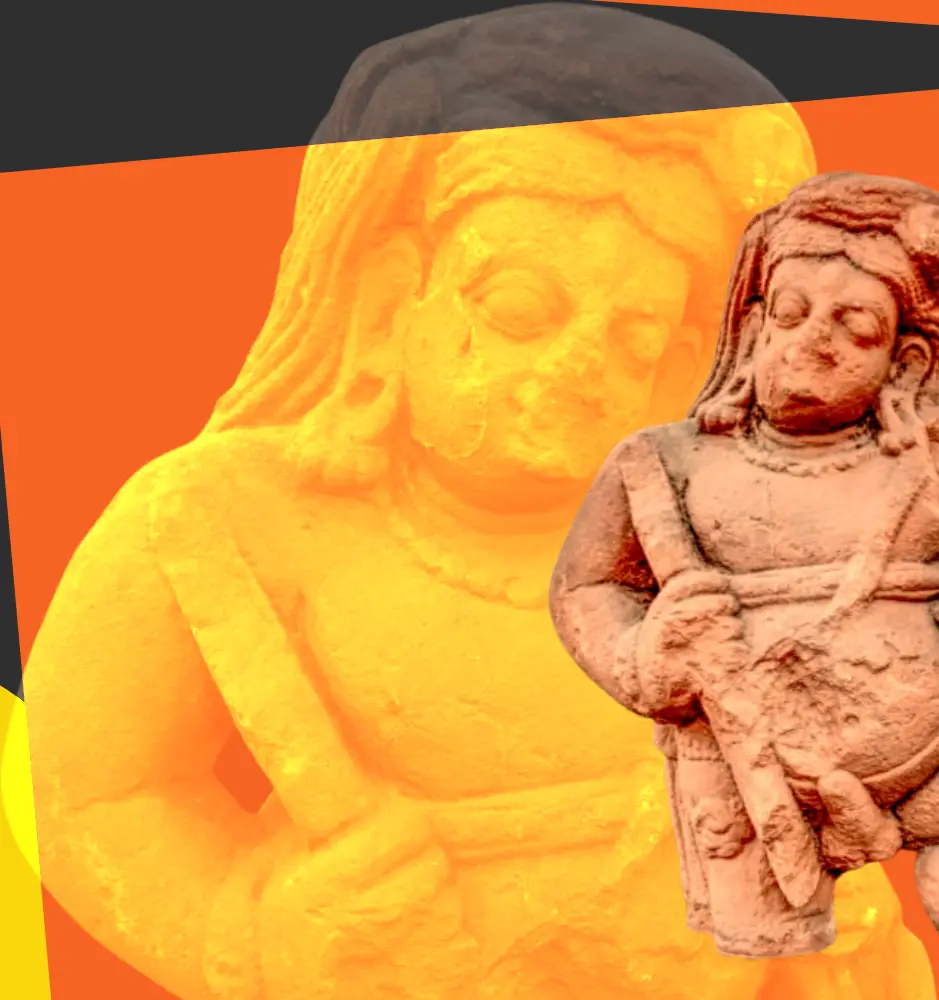
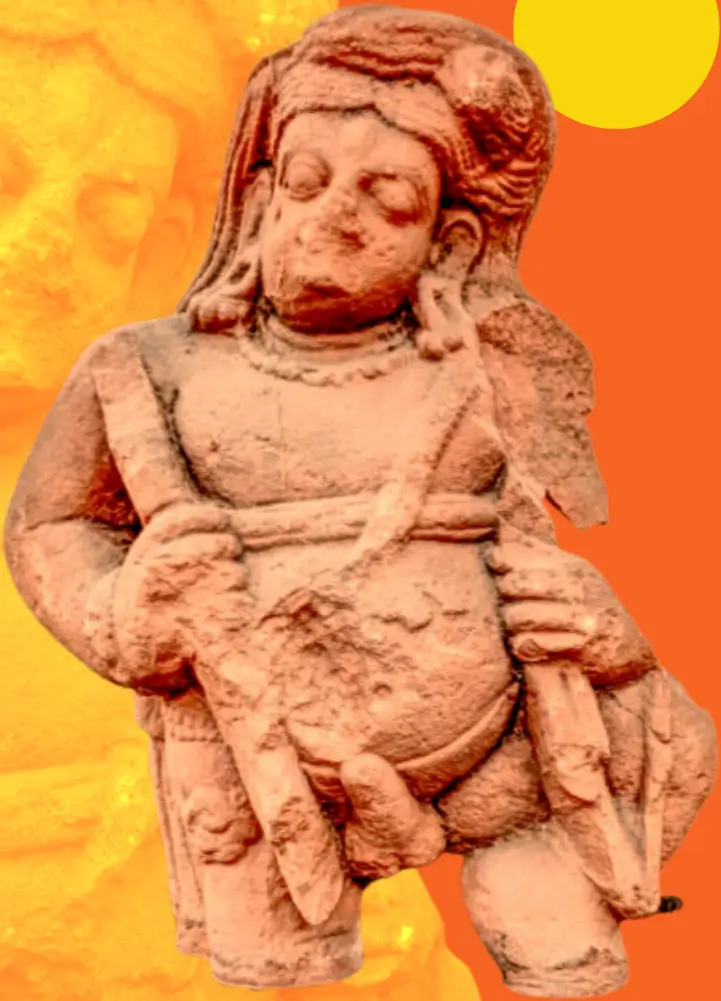
Shiva
Rendered in a compact, frontal form, this seated figure leans slightly forward. The softly modelled face, with downcast eyes, suggests introspection, while the hair is arranged in a voluminous matted mass. A vessel held at the torso, supported by both hands, adds a sense of weight and stillness. Minimal ornamentation reinforces a restrained aesthetic typical of early Vakataka craftsmanship.
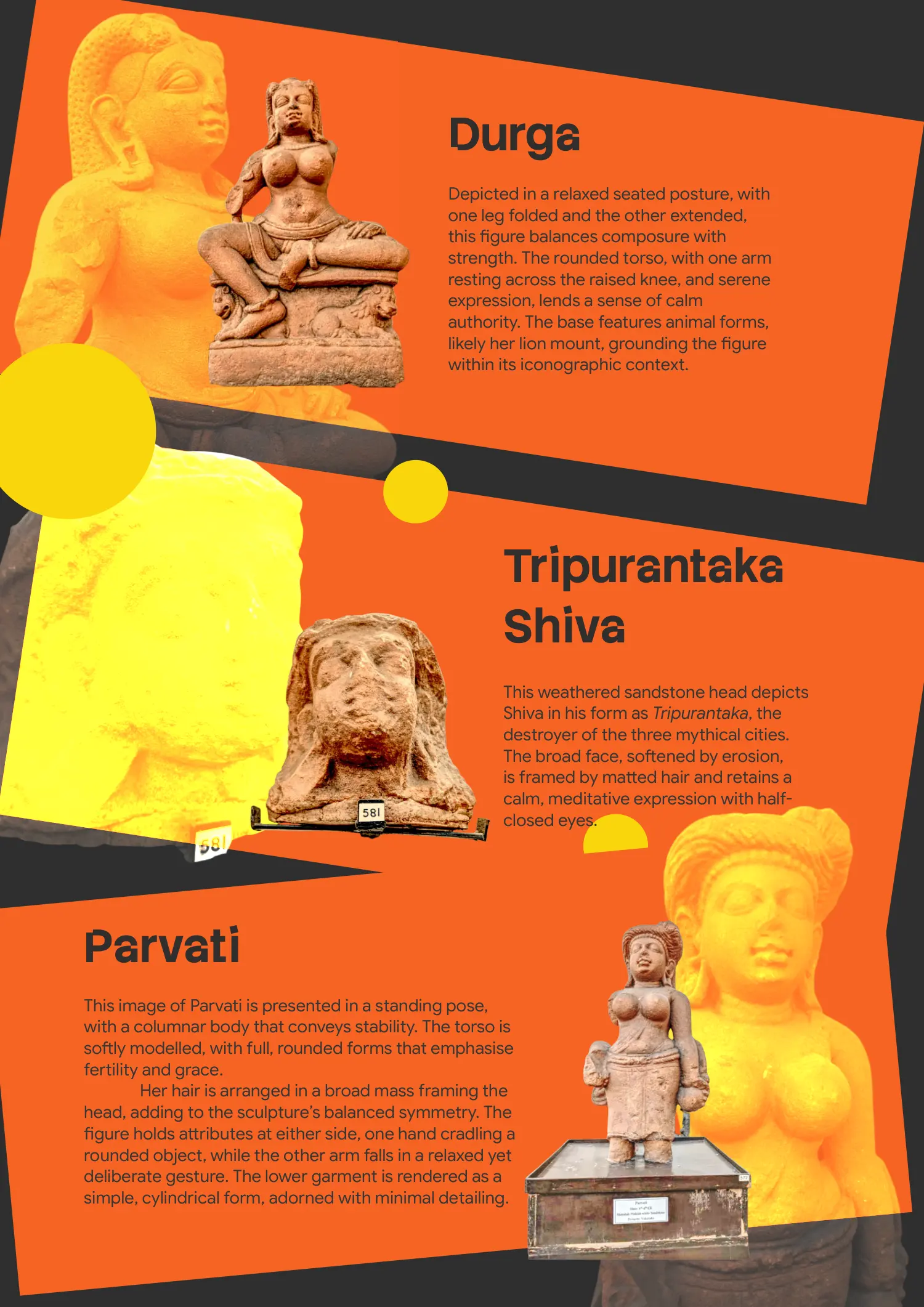
Durga
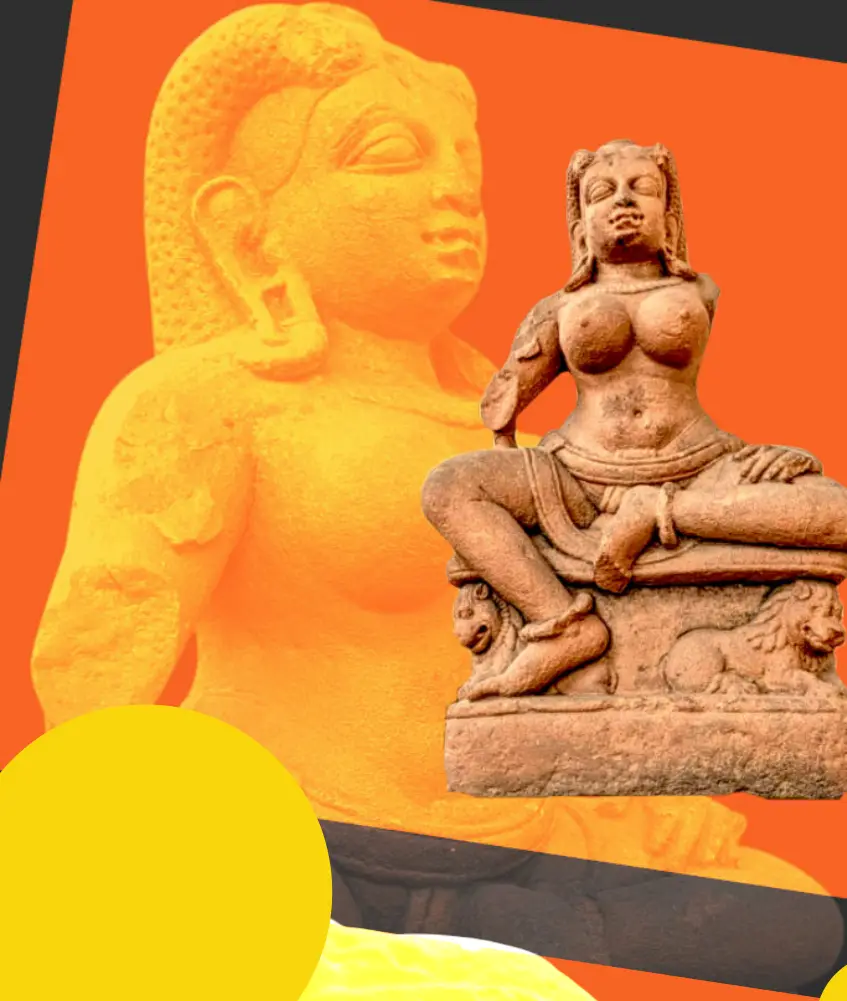
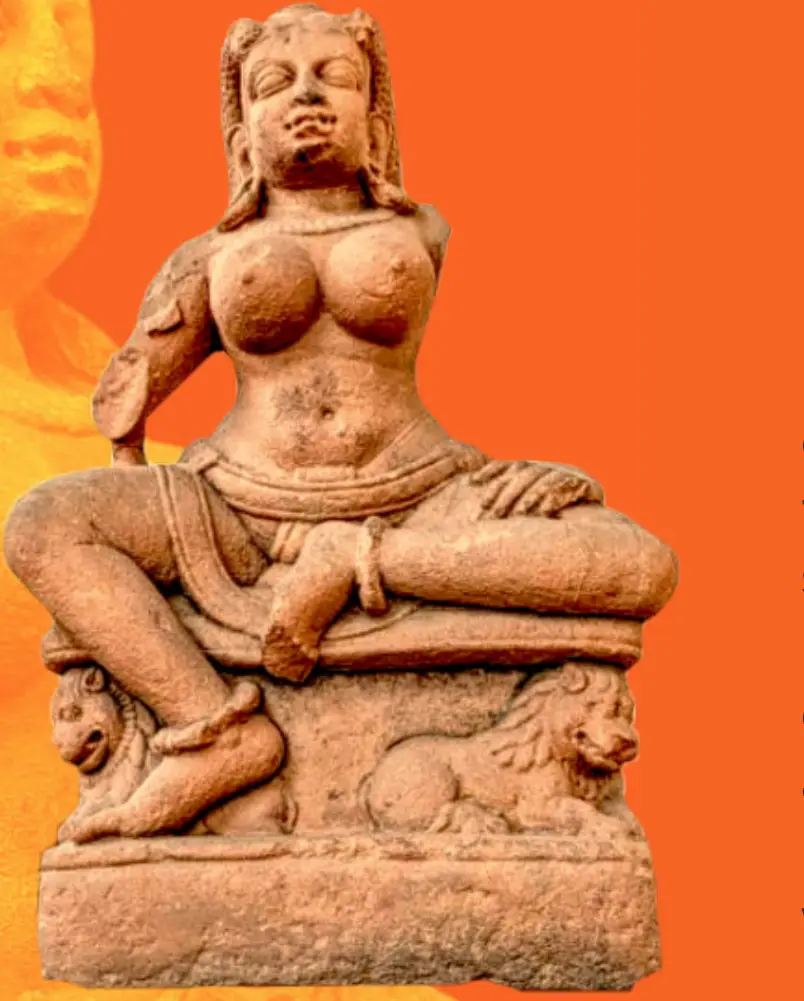
Depicted in a relaxed seated posture, with one leg folded and the other extended, this figure balances composure with strength. The rounded torso, with one arm resting across the raised knee, and serene expression, lends a sense of calm authority. The base features animal forms, likely her lion mount, grounding the figure within its iconographic context.
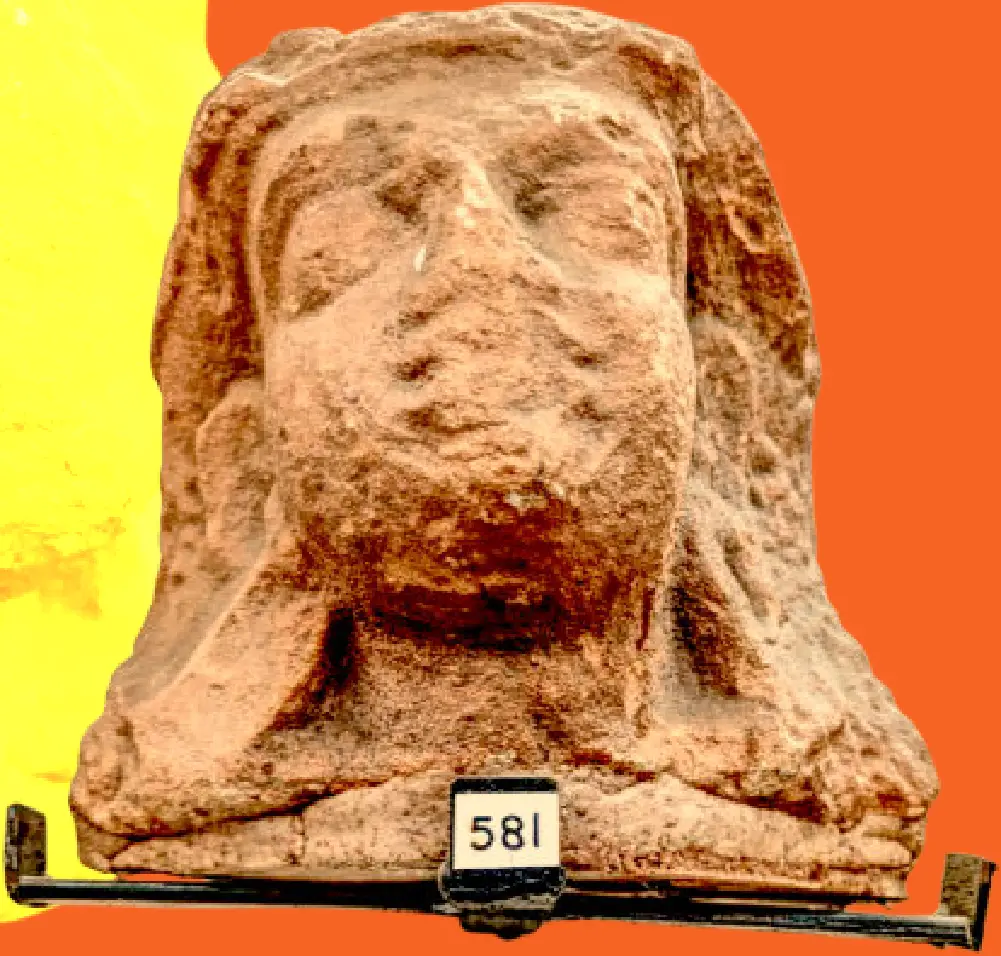
Tripurantaka Shiva
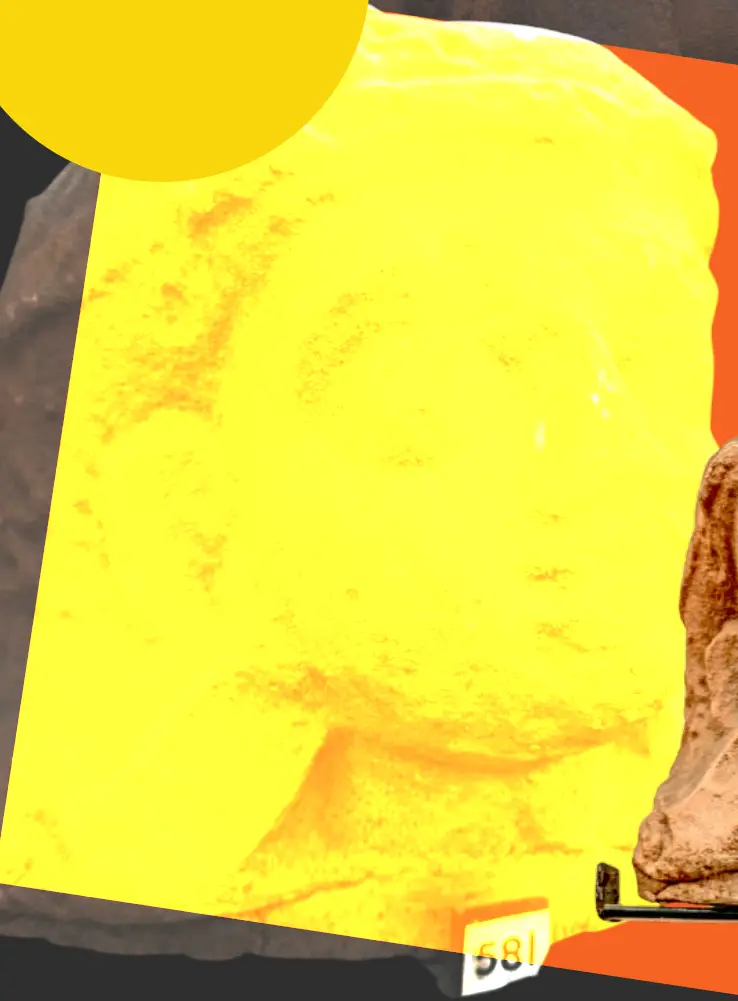
This weathered sandstone head depicts Shiva in his form as Tripurantaka, the destroyer of the three mythical cities. The broad face, softened by erosion, is framed by matted hair and retains a calm, meditative expression with half- closed eyes.
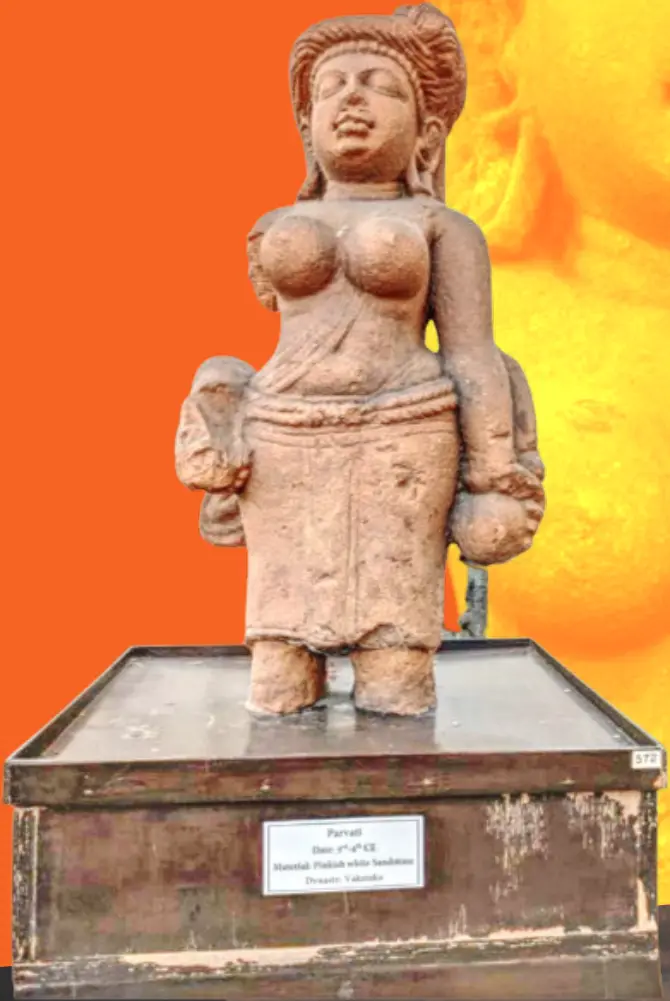
Parvati
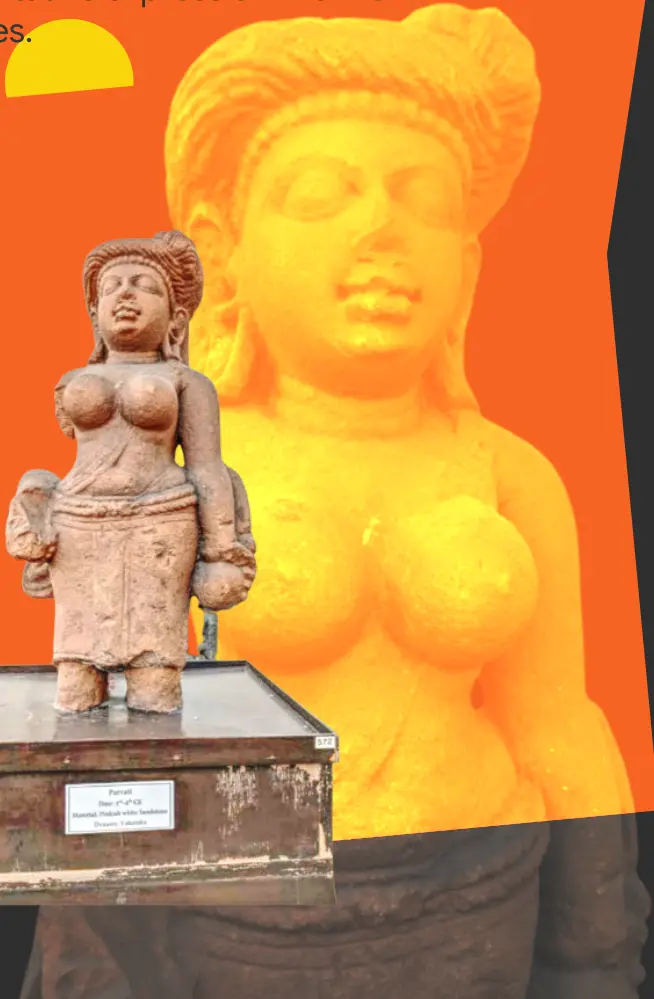
This image of Parvati is presented in a standing pose, with a columnar body that conveys stability. The torso is softly modelled, with full, rounded forms that emphasise fertility and grace. Her hair is arranged in a broad mass framing the head, adding to the sculpture’s balanced symmetry. The figure holds attributes at either side, one hand cradling a rounded object, while the other arm falls in a relaxed yet deliberate gesture. The lower garment is rendered as a simple, cylindrical form, adorned with minimal detailing.

View original pages, photographs & credits
Originally published in Museum Mosaic 2025, published May 2026.
Part of our annual review. Descriptions reflect the publication’s reporting period.